

Ships starting with W

Previous name: Buyak Ada
Subsequent name: Wayward
Official Number: 139064
Class: Tender / Despatch Vessel
Pennant No: N60 / X79
Laid down:
Builder: Rennie Forrest Shipbuilding & Engineering Co Ltd., Wivenhoe, Essex
Launched: 7 February 1914
Into Service: August 1914
Out of service: 11 November 1922
Fate: Wrecked on Anatolian Coast
Items of historic interest involving this ship: -
Background Data:
Some official lists, marked as “Lists of RFA’s” show vessels which spent some time as RFA’s during the First World War. These records are extremely sketchy and some of these vessels were “Yard Craft”, partially or wholly Dockyard manned, partly by RNR or Reserve Fleet personnel. Some of the Depot Ships staffed by skilled civilian Dockyard workers were for a time White Ensign. The Director of Stores was understood to be concerned with their manning and operationally they remained under Admiralty control.
Career Data:
7 February 1914 launched by Rennie Forrest Shipbuilding & Engineering Co Ltd., Wivenhoe, Essex as Yard No: named Buyak Ada for Turkish Owners
August 1914 completed and seized at Colchester as an enemy ship and used as a Medway Passenger Steamer for the Admiralty as a Royal Fleet Auxiliary
20 November 1914 seizure reported in the London Gazette of this day - issue 28981 on page no: 9538
24 November 1914 seizure reported in the Edinburgh Gazette of this day - issue 12743 on page no: 1404
7 December 1914 seizure placed before the Prize Court this day - reported in the Times newspaper of 8 December 1914
26 June 1915 registered in the name of the Secretary of the Admiralty in the name of Wave
30 December 1915 at Saloniki berthed alongside HMS ALBION for an examination of the hull by their divers
6 April 1916 at Saloniki berthed alongside HMS St GEORGE for an examination of the hull by their divers
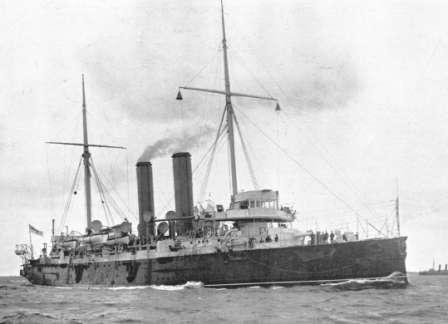
HMS St GEORGE
18 October 1917 Engineer Sub-Lieutenant Harry S Shannon RNR appointed as Chief Engineer Officer
2 January 1918 pink list location shows her to be a Fleet Messenger in the Agean Squadron, Mediterranean
20 February 1918 Lieutenant Frederick J Sweeting RNR appointed as Commanding Officer
30 June 1918 pink list location shows her to be a Fleet Minesweeper in the Agean Squadron, Mediterranean
11 November 1918 pink list location shows her to be a Boom Guard ship in the Mudros Area, Mediterranean
1919 renamed as Wayward
9 July 1919 at Constantinople berthed alongside HMS CAESAR collecting sacks of mail
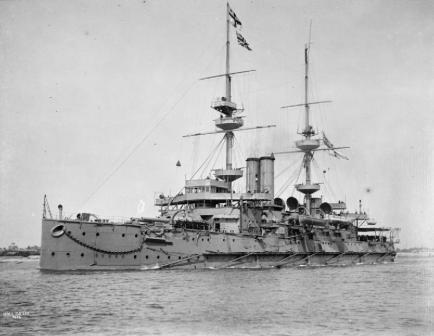
HMS CAESAR
November 1919 pink list location shows her to be a Fleet Messenger in the Agean, under the PNTO Mediterranean
11 November 1922 foundered in tow off Anatolian Coast and wrecked
21 July 1924 her registry entry with the Registrar of Shipping was closed

Official Number: 144340
Class: WAR CLASS Freighting Tanker - 7 cargo tanks
Pennant No: Y7.337 / X90
Laid down:
Builder: Robert Duncan, Port Glasgow
Launched: 11 November 1919
Into Service: 29 January 1920
Out of service: 1947
Fate: Broken up
Items of historic interest involving this ship: -
Background Data: To combat the alarming losses of British merchant ships during WW1, the New Ministries and Secretaries Act was passed in December 1916, which provided for the appointment of a Shipping Controller with very wide powers “to take such steps as he thinks best for providing and maintaining an efficient supply of shipping”. On 20 December 1916, the first meeting of the Merchant Shipbuilding Advisory Committee took place where it was decided that an extensive shipbuilding programme should be started, the ships to be of a simple design and as far as possible to be of a standard type as regards hulls and engines. These new vessels for the Government were given a standard nomenclature, the prefix to their names being WAR. 821 vessels were ordered from U.K. yards and abroad and 416 were completed to Government order, 279 were sold and transferred to private owners before completion and the remainder were cancelled. Of the 416 completed to Government order, 15 were transferred to Admiralty service as oilers. They were all modified versions of the A and B Class standard dry cargo ships, known as the Z Class. All had 2 large dry cargo holds, 6 of them had 5 cargo tanks and the remaining 9 had 7 cargo tanks, specially designed for the carriage of heavy fuel oil. Most of them were initially under commercial management.
11 November 1919 after launching she was towed to the James Watt Dock at Greenock for her engines to be fitted.
29 January 1920 ran trials and placed under initial management of C.T. Bowring & Co Ltd, Liverpool
15 February 1920 arived Port Said from the Clyde
15 July 1920 arrived Suez from Abadan
16 July 1920 sailed Port Said for Constantinople
24 May 1920 sailed Port Said
4 September 1920 arrived at Suez from Abadan
20 September 1920 berthed at Portsmouth Harbour
4 October 1920 berthed at Portsmouth Harbour
5 October 1920 sailed Portsmouth Harbour
21 November 1920 berthed at Port Arthur, Texas from Rotterdam - source New York Herald of 22 November 1920. RFA BRITISH LANTERN berthed at Port Arthur on the same day
28 December 1920 sailed Port Arthur, Texas for Avonmouth
17 January 1921 berthed at Templepreedy from Port Arthur, Texas
3 February 1921 arrived at Port Said
10 February 1921 sailed Suez this day on passage to Abadan
14 February 1921 passed Perrim east bound
1921 RFA manned
11 March 1921 arrived Port Sudan
17 March 1921 passed Perrim East bound
23 June 1921 arrived at Suez from Abadan
24 June 1921 sailed Port Said for Devonport
7 August 1921 sailed Port Arthur for Devonport
11 August 1921 reported to the US Navy Radio Service her position was 27°52N 79°34W and published in the New York Tribune on 12 August 1921
15 September 1921 arrived Port Said from Milford Haven
17 October 1921 arrived Suez from Abadan
2 December 1921 arrived Glasgow from Abadan
9 December 1921 while berthed on the River Clyde was hit by another vessel which had been involved in an accident with two other ships. All four ships were damaged - in the case of WAR AFRIDI to her bow. The matter of blame was heard in the Scottish High Court in 1923. The other ships involved were the ss Bogota, the ss Alconda and a tug Samson
1 January 1922 arrived at Port Arthur from the Clyde
3 January 1922 in collision with a tug Waban - location currently unknown but reported in a US Congress report of 1926
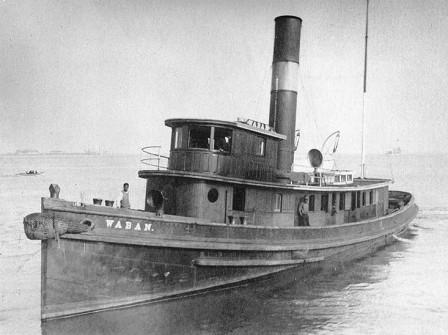
Tug Waban with which RFA War Afridi was in collision
25 January 1922 passed the Lloyds Signal Station on the Lizard sailing east
26 January 1922 berthed at Portsmouth Harbour
28 January 1922 sailed Portsmouth Harbour
11 February 1922 sailed Suez for Abadan
1 April 1922 at 36°22N 0°1E Fireman James Brown discharged dead - natural causes - buried at sea
13 October 1922 arrived at Malta from Plymouth
9 November 1922 arrived at Abadan from Malta
30 November 1922 arrived Suez from Abadan
6 December 1922 sailed Malta for Devonport
18 December 1922 berthed at Devonport from Abadan with 2 passengers. Captain Alfred N Beavan was the Master
11 April 1923 arrived at Port Said from the Clyde
16 May 1923 alongside the Oil Wharf, Singapore
21 May 1923 at the Main Dock, Kepple Harbour, Singapore
2 July 1923 alongside the Oil Wharf, Singapore
28 September 1923 to 2 October 1923 in dry dock, Singapore
12 November 1923 alongside the Oil Wharf, Kepple Harbour, Singapore
15 November 1923 alongside the Main Wharf, Kepple Harbour, Singapore
18 November 1923 sailed Singapore for Abadan
21 November 1923 the Admiralty Fuel & Stores Officer, Singapore advertised in the local press -

26 November 1923 Captain Arthur Flower RFA as Master
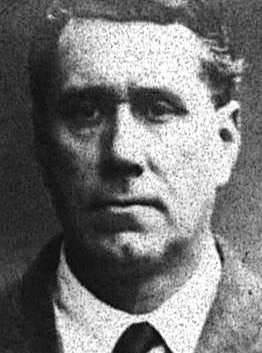
Captain Arthur Flower RFA
24 December 1923 alongside the Oil Wharf, Kepple Harbour, Singapore
9 January 1924 at Abadan - sailed 13 January 1924
6 February 1924 arrived at Albany, Western Australia
16 February 1924 at Albany, Western Australia the ships football team played a local football team
20 February 1924 an advert from the Albany Advertiser of the date might suggest a 'good run ashore'

2 March 1924 1815hrs berthed alongside HMS HOOD at King Georges Sound, Albany, Western Australia and supplied 2,006 tons of FFO to the battle cruiser
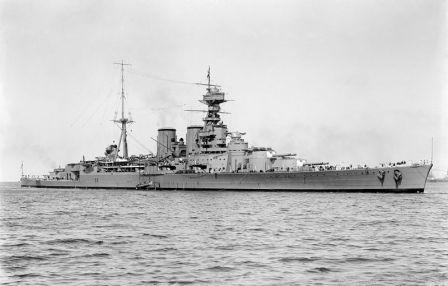
HMS HOOD
3 March 1924 cast off from HMS HOOD and moored alongside HMS REPULSE to refuel her
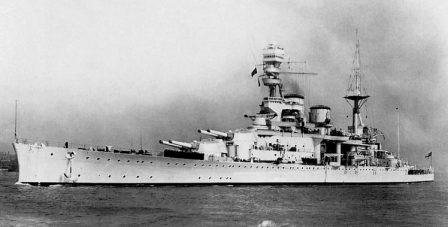
HMS REPULSE
7 March 1924 sailed Albany, Western Australia for Tarakan
27 March 1924 berthed at Singapore - sailed 1 April 1924
12 April 1924 berthed at Singapore
4 May 1924 at Suez - sailed 9 May 1924
14 May 1924 arrived at Aden - sailed 15 May 1924
25 May 1924 berthed at Abadan
25 June 1924 berthed at Abadan sailed 28 June 1924
30 June 1924 at sea in the Persian Gulf at 26°20N 55°27E Sailor Lee Ah Poo discharged dead. He died from beri - beri. He had signed on at Singapore on 1 April 1924. He was buried at sea.
15 July 1924 at Suez to transit Suez Canal arrived Port Said the same day
20 July 1924 berthed at Malta until 27 August 1924
15 September 1924 at Port Said to transit the Suez Canal having sailed from Malta
16 September 1924 arrived Suez
30 September 1924 berthed Abadan
16 October 1924 berthed at the Oil Wharf, Kepple Harbour, Singapore - sailed 17 October 1924
1 November 1924 berthed at Hong Kong
7 November 1924 berthed at Singapore - sailed the same day
22 November 1924 berthed at Abadan - sailed 25 November 1924
9 December 1924 arrived at Suez from Abadan
11 December 1924 at Port Said sailed to Malta arriving 15 December 1924
14 February 1925 berthed alongside the Oil Wharf, Kepple Harbour, Singapore at the same time as RFA OLEANDER (2)
20 March 1925 Captain Herman R Elsby RFA appointed as Master
22 June 1925 berthed at the Oil Wharf, Kepple Harbour
22 March 1926 Mr Charles A Smith RFA appointed as Chief Engineer Officer
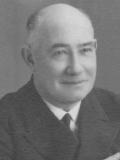
Chief Engineer Officer Charles A Smith RFA
10 May 1926 berthed at Portsmouth Harbour
14 May 1926 sailed from Portsmouth Harbour
30 June 1926 off Sultan Shoal Quartermaster Chievi Leng discharged dead - disappeared - supposed drowned
6 May 1927 berthed at Freemantle from Abadan with bunkers for HMS RENOWN
24 May 1927 sailed Freemantle for Singapore
2 June 1927 berthed at Singapore
15 June 1927 at 17°42N 67°01E 2nd Engineer Officer Daniel David Barrett discharged dead - missing presumed drowned

2nd Engineer Officer Daniel David Barrett
7 July 1927 at 5°55N 95°37E Fireman Tong Leu discharged dead - natural causes
10 July 1927 arrived at Singapore from Abadan. Sailed same day to Hong Kong
3 August 1927 at the Oil Wharf, Kepple Harbour, Singapore
4 October 1927 at the General Hospital, Colombo Fireman Wong Heng discharged dead - neuro syphilis
1 November 1927 while under tow from the oil wharf at Keppel Harbour, SIngapore by the tug Varuna was in collision with a Chinese coasting vessel Ban Teck Guan which caused minor damage to the RFA. (Reported in The Singapore Free Press & Mercantile Advertiser of 2 November 1927)
17 November 1927 grounded at Abadan
24 February 1928 in the Albert Dry Dock, Tanjong Pagar
2 May 1928 Mr David E Morgan MIMarE, AMIME RFA appointed Chief Engineer Officer
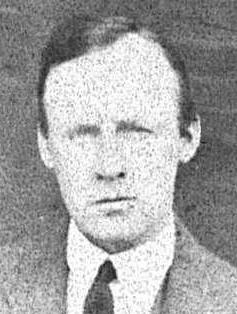
Chief Engineer Officer David E Morgan MIMarE, MIME RFA
18 October 1928 sailed Milford Haven
20 October 1928 berthed at Portsmouth Harbour
22 November 1928 Captain Reginald J Harland RFA appointed as Master
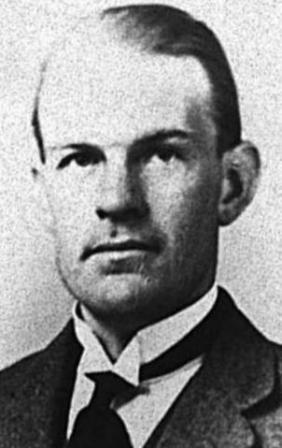
Captain Reginald J Harland RFA
24 November 1928 sailed from Portsmouth Harbour
25 February 1929 berthed at Gibraltar from Port Said to discharge cargo
20 April 1929 berthed at Gibraltar from Port Said to discharge cargo
8 November 1929 berthed at Portsmouth Harbour
30 November 1929 in Dock 15 at Portsmouth Harbour
4 December 1929 sailed from Portsmouth Harbour to Stokes Bay
17 July 1930 sailed Suez
17 September 1930 Mr Andrew C Fraser RFA appointed as Chief Engineer Officer
17 November 1930 berthed at Portsmouth Harbour
29 January 1931 sailed from Portsmouth Harbour
19 February 1931 berthed at Portsmouth Harbour
25 February 1931 Captain Richard D Williams RD RFA (Commander RNR (retd)) appointed as Master
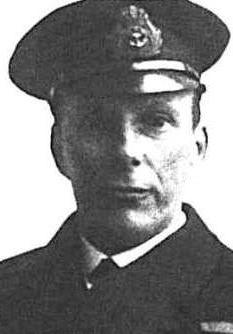
Captain Richard D Williams RD RFA
28 February 1931 berthed on Fountain Lake Jetty, Portsmouth Harbour
2 March 1931 sailed from Portsmouth Harbour
13 May 1931 sailed Port Said for Abadan
31 May 1931 at sea at 28°48N 49°59E 3rd Officer Thomas Holt Mogg discharged dead from heat apoplexy. 3rd Officer Mogg had previously served on RFA MAINE (3), RFA PETROLEUM, RFA BACCHUS (1) and RFA PEARLEAF (1)
18 June 1931 sailed Suez for Malta
17 July 1931 sailed Suez for Abadan
23 August 1931 arrived at Suez when on passage to Gibraltar
27 September 1931 passed Galata when on passage to Constanza
11 October 1931 sailed Port Said for Abadan
30 October 1931 sailed Abadan for Malta
19 November 1931 sailed Port Said for Malta
30 December 1931 sailed Suez for Abadan
27 January 1932 sailed Port Said for Portsmouth
16 February 1932 berthed at Portsmouth Harbour
24 March 1932 Mr Charles J Falconer RFA appointed as Chief Engineer Officer

Chief Engineer Officer Charles J Falconer RFA
12 April 1932 berthed at Portsmouth
15 April 1932 sailed from Portsmouth Harbour
4 May 1932 sailed Malta for Abadan
9 August 1932 arrived at Port Said from Malta
27 August 1932 sailed Abadan for Singapore
14 October 1932 sailed Abadan for Malta
23 November 1932 Captain William T Williams RFA appointed as Master
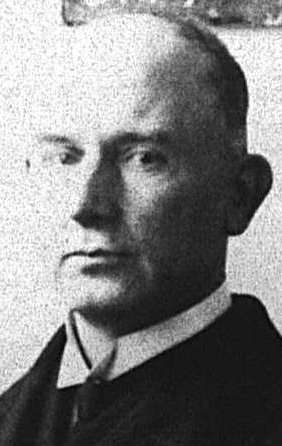
Captain William T Williams RFA
22 December 1932 sailed Abadan for Portsmouth
31 January 1933 berthed at Portsmouth Harbour
7 February 1933 sailed from Portsmouth Harbour for Devonport
8 February 1933 arrived at Devonport
17 March 1933 at Gosport Police Court the ship's Master - Captain William T Williams RFA appeared charged with attempting to evade duties on various items in a prosecution brought by the Customs & Excise. He was fined £35

Press report from the Western Morning News of 18 March 1933
March 1933 while in dry dock at Devonport sand and brass filings were found in machinery - reported in the press and mentioned in Parliament as deliberate sabotage
6 April 1933 arrived at Port Said
7 April 1933 sailed Suez for Abadan
12 May 1933 arrived at Suez from Abadan
30 May 1933 arrived at Port Said from Malta
8 July 1933 arrived Suez
27 July 1933 Captain Alfred L Jones RFA appointed as Master
12 October 1933 sailed Abadan for Hanjam
3 December 1933 arrived Port Said from Malta
12 January 1934 arrived at Suez from Abadan
13 February 1934 berthed at Portsmouth Harbour
24 March 1934 sailed from Portmouth Harbour
18 May 1934 arrived Singapore from Abadan
9 June 1934 sailed Abadan for Gibraltar
24 June 1934 arrived Suez from Abadan
3 July 1934 arrived at Gibraltar
10 September 1934 berthed at Portsmouth Harbour
19 September 1934 sailed from Portsmouth Harbour
17 November 1934 arrived at Port Said from Malta
11 March 1935 Mr William H A Lawson RFA appointed as Chief Engineer Officer
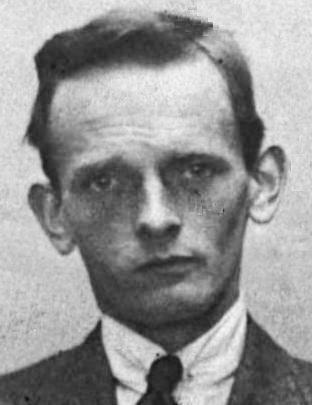
Chief Engineer Officer William H A Lawson RFA
24 April 1935 sailed Halto for Abadan
16 June 1935 at Abadan
1 August 1935 arrived at Abadan from Malta
20 April 1936 arrived at Suez from Abadan
19 May 1936 berthed at Portsmouth Harbour
26 May 1936 sailed from Portsmouth Harbour
4 June 1936 sailed Falmouth for Abadan
3 October 1936 having sailed Darwin, Australia this day after discharging 8,000 tons of FFO into the Naval storage tanks there two male stowaways, both from the UK, were discovered on board. The ship was en route to the Persian Gulf. The stowaways were transferred to RFA WAR SIRDAR which was due at Darwin on the 10 October 1936
12 December 1936 berthed at Gibraltar from Abadan and Port Said to discharge cargo
16 February 1937 arrived at Plymouth Sound
4 March 1937 Captain William H Green RFA appointed as Master
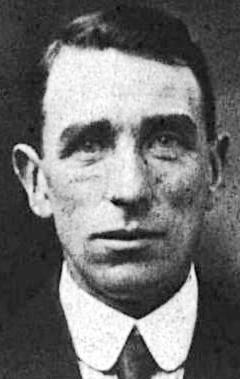
Captain William H Green RFA
22 April 1937 came under full RFA control
23 April 1937 sailed the River Tyne for Sheerness
29 June 1937 sailed Darwin, Northern Territories, Australia for Colombo, Ceylon having discharged cargo
19 July 1937 at Colombo, Ceylon 2nd Steward William John Briars discharged dead - fell overboard from a rowing boat and drowned
23 October 1937 to 25 October 1937 in the Albert Dry Dock, Singapore
24 January 1938 berthed at Gibraltar from Abadan and Alexandria to discharge cargo
2 March 1938 berthed at Gibraltar from Trinidad to discharge cargo
12 April 1938 at Lyness Seaman Low Ah Rue discharged dead. Death subject to Police enquiries

Press report from Aberdeen Journal of 15 April 1938
20 April 1938 Mr John Atchison RFA appointed as Chief Engineer Officer
11 June 1938 berthed at Gibraltar from Trinidad to discharge cargo
18 March 1939 sailed Aden for Abadan
25 April 1939 Mr Leonard T Tomlinson RFA appointed as Chief Engineer Officer
9 June 1939 passed the Lloyds Signal Station on the Lizard sailing east
17 June 1939 arrived at the River Tyne from Devonport
19 June 1939 at Swan Hunters, Wallsend in refit
31 July 1939 at 15°03.N 52°25E Sailor Tang Ah Tay discharged dead - lost overboard
8 December 1939 sailed Gibraltar in escorted convoy HG 10 with RFA’s THERMOL and WAR BHARATA arriving Devonport on 16 December 1939
10 January 1940 and 11 January 1940 at Rosyth alongside the heavy cruiser HMS BERWICK refuelling her
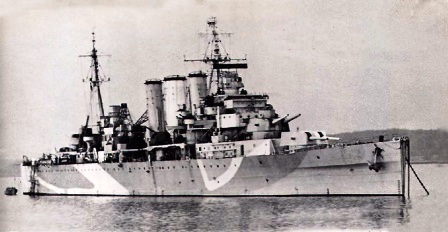
HMS BERWICK
7 Mar 1940 Captain John Gow RFA appointed as Master
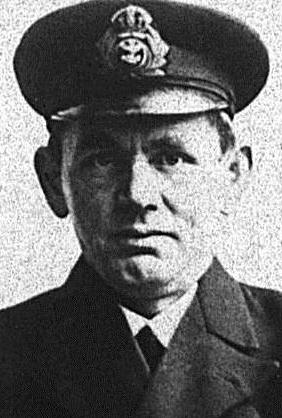
Captain John Gow RFA
2 April 1940 at the Firth of Forth
1 May 1940 at Rosyth
10 May 1940 Mr David L Walls RFA appointed as Chief Engineer Officer
9 June 1940 at Rosyth alongside HMS YORK and supplied 150 tons of fuel oil
19 June 1940 at Rosyth alongside HMS YORK and supplied 110 tons of fuel oil
29 June 1940 at Rosyth alongside HMS YORK and supplied 170 tons of fuel oil
9 July 1940 at Rosyth alongside HMS YORK and supplied 122 tons of fuel oil
10 September 1940 at Leith Docks
17 October 1940 sailed Leith Docks for Grangemouth
13 January 1941 at Rosyth berthed along side HMS HOOD to refuel her until the next day
11 February 1941 sailed Rosyth for Grangemouth
12 February 1941 sailed Grangemouth for Rosyth
25 February 1941 arrived at Grangemouth
27 February 1941 sailed Grangemouth for Rosyth
8 March 1941 sailed Grangemouth
10 March 1941 passed St Abbs Head
12 March 1941 arrived at Southend
17 March 1941 sailed Southend
16 June 1941 Mr William W Ridgway RFA appointed as Chief Engineer Officer
19 August 1941 arrived at Grangemouth
22 August 1941 sailed Grangemouth for Rosyth
27 August 1941 sailed Grangemouth for Rosyth
6 September 1941 arrived at Grangemouth
7 September 1941 sailed Grangemouth for Rosyth
6 October 1941 arrived at Grangemouth
11 October 1941 sailed Grangemouth for Rosyth arriving the same day
23 October 1941 arrived at Grangemouth from Rosyth
24 October 1941 sailed Grangemouth for Rosyth
28 October 1941 at Rosyth alongside HMS DUKE OF YORK refuelling her with 3,230 tons of FFO and 98 tons of diesol

HMS DUKE OF YORK
30 October 1941 arrived at Grangemouth from Rosyth
1 November 1941 sailed Grangemouth for Rosyth
5 November 1941 arrived Grangemouth from Rosyth
6 November 1941 sailed Grangemouth for Rosyth
24 December 1941 arrived at Grangemouth from Rosyth
26 December 1941 sailed Grangemouth for Rosyth
9 April 1942 arrived at Grangemouth from Rosyth
2 June 1942 at Rosyth. Mr Charles A Smith DSC RFA appointed as Chief Engineer Officer
12 August 1942 damaged the cruiser HMS LIVERPOOL at Rosyth
3 October 1942 Captain Archibald Hobson DSC RFA appointed as Master
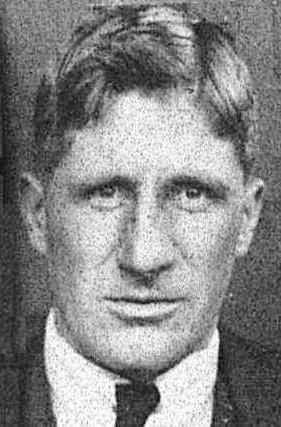
Captain Archibald Hobson DSC RFA
26 October 1942 at Rosyth alongside HMS DUKE OF YORK refuelling her with 3,126 tons of FFO
2 November 1942 at Rosyth Dockyard Able Seaman John Galbraith discharged dead - fell into the entrance of an air raid shelter in the Dockyard - died from misadventure
4 December 1942 at Rosyth Dockyard Fireman Frank Watson discharged dead - accident
20 January 1943 at Rosyth alongside HMS NEWFOUNDLAND refuelling her with 592 tons of FFO
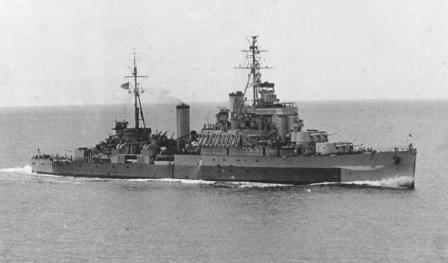
HMS NEWFOUNDLAND
February 1943 in collision with RFA OLIGARCH
July 1943 fitted with tanks in forward hold to hold 120 tons of diesel oil
18 August 1943 Captain William H Green RFA appointed as Master
4 December 1943 Mr Harold R Bullimore RFA (Lieutenant Commander (E) (RN (ret)) appointed as Chief Engineer Officer
21 April 1944 Captain William H Green RFA appointed Master until 27 July 1945
19 December 1944 at Rosyth alongside HMS COLOSSUS refuelling her with 1,650 tons of FFO
22 January 1945 at Leith until 28 January 1945
11 June 1945 at Swan Hunter, Wallsend on Tyne - preparation for foreign service until 21 September 1945
21 September 1945 sailed the Tyne but had to put back through defects
22 September 1945 sailed the Tyne
30 August 1945 Captain Charles H Noel OBE RFA appointed as Master
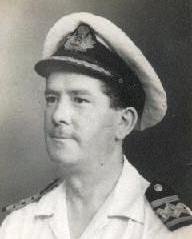
Captain Charles H Noel RFA
5 September 1945 Mr R R Burgh RFA appointed as Chief Engineer Officer
1 October 1945 passed Gibraltar
11 October 1945 arrived and sailed Port Said
26 October 1945 arrived at Abadan
7 June 1946 Captain Charles H Noel RFA appointed as an Additional Officer of the Military Division of the most excellent Order of the British Empire (OBE) vide the London Gazette of this date - page 2882
11 January 1947 at Hong Kong with HMAS BATAAN alongside being refuelled
1 April 1947 Captain L W J Hall RFA appointed as Master
9 April 1947 Mr A W Symonds RFA appointed as Chief Engineer Officer
1947 at Hong Kong on Yard Craft agreement with Captain G W Bowden appointed as Master and Mr J L Pedrick appointed as Engineer (First Class)
1949 Captain G F W Reid appointed as Master and Mr S R Clark appoined as Engineer (First Class)
1 February 1951 at Hong Kong with HMAS BATAAN alongside being refuelled
12 April 1951 hulked
3 July 1951 at Hong Kong while berthed on No: 17 buoy refuelled HMAS MURCHISON alongside
12 August 1951 at Hong Kong while berthed on Buoy 18 at Kowloon refuelled HMAS ANZAC alongside
3 October 1951 at Hong Kong while berthed on Buoy 18 at Kowloon refuelled HMAS ANZAC alongside
10 December 1951 at Hong Kong while berthed on No: 17 buoy refuelled HMAS MURCHISON alongside
25 February 1952 refuelled HMAS BATAAN alongside
28 February 1952 refuelled HMAS BATAAN alongside
16 September 1952 at Hong Kong refuelled HMAS ANZAC alongside
1 April 1953 refuelled HMAS CULGOA alongside
27 April 1953 at Hong Kong refuelled HMAS ANZAC alongside
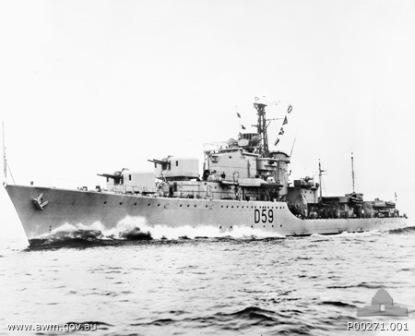
HMAS ANZAC
23 July 1953 at Hong Kong refuelled HMAS CULGOA alongside
11 November 1953 at Hong Kong while berthed on No: 17 buoy refuelled HMAS MURCHISON alongside
12 April 1954 at Hong Kong refuelled HMAS MURCHISON alongside
30 June 1954 at Hong Kong refuelled HMAS MURCHISON alongside
4 April 1956 at Victoria Harbour, Hong Kong refuelled HMAS ANZAC alongside. Supplied 455 tons of FFO
21 May 1956 at Victoria Harbour, Hong Kong refuelled HMAS ANZAC alongside. Supplied 367 tons of FFO. HMAS TOBRUK also alongside being refuelled
4 July 1956 at Victoria Harbour, Hong Kong refuelled HMAS ANZAC alongside. Supplied 101 tons of FFO and 7,143 gallons of diesel oil
14 September 1956 at Victoria Harbour, Hong Kong refuelled HMAS ANZAC alongside. Supplied 332 tons of FFO
14 April 1958 offered for sale by tender 'as she lies' at Hong Kong in the Straits Times of this day - page 11
August 1958 arrived for breaking up at Hong Kong

Official Number: 142737
Class: WAR CLASS Freighting Tanker
Pennant No: Y 7.319
Laid down:
Builder: Armstrong Whitworth, Low Walker
Launched: 4 November 1917
Into Service: December 1918
Out of service: 1939 hulked
Fate: Broken up
Items of historic interest involving this ship: -
Background Data: To combat the alarming losses of British merchant ships during WW1, the New Ministries and Secretaries Act was passed in December 1916, which provided for the appointment of a Shipping Controller with very wide powers “to take such steps as he thinks best for providing and maintaining an efficient supply of shipping”. On 20 December 1916, the first meeting of the Merchant Shipbuilding Advisory Committee took place where it was decided that an extensive shipbuilding programme should be started, the ships to be of a simple design and as far as possible to be of a standard type as regards hulls and engines. These new vessels for the Government were given a standard nomenclature, the prefix to their names being WAR. Eight hundred and twenty one vessels were ordered from U.K. yards and abroad and four hundred and sixteen were completed to Government order, two hundred and seventy nine were sold and transferred to private owners before completion and the remainder were cancelled. Of the four hundred and sixteen completed to Government order, fifteen were transferred to Admiralty service as oilers. They were all modified versions of the A and B Class standard dry cargo ships, known as the Z Class. All had two large dry cargo holds, six of them had five cargo tanks and the remaining nine had seven cargo tanks, specially designed for the carriage of heavy fuel oil. Most of them were initially under commercial management.
1918 ordered.
4 November 1818 launched by Armstrong, Whitworth & Co Ltd, Low Walker, Newcastle as Yard Nr: 950 named WAR BAHADUR for the Shipping Controller.
December 1918 completed and placed under initial management of C.T. Bowring & Co Ltd., Liverpool. Her name is derived from the Hindu word meaning “hero” and was a title formerly conferred by the British on distinguished Indians
16 December 1918 sailed Devonport for Sabine and reported in the New York Tribune of the 18 December 1918
7 January 1919 arrived Port Arthur, Texas
10 January 1919 sailed Port Arthur, Texas for Gibraltar
1 April 1919 off Abadan at anchor
5 April 1919 at Muscat HMS MOTH alongside and refuelled her - 47 tons of FFO supplied
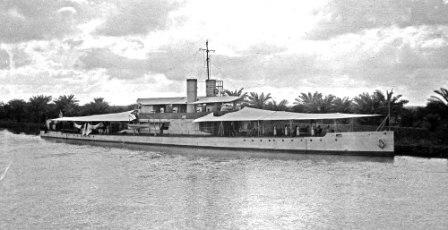
HMS MOTH
8 April 1919 at Ghubbet Herahib Bay on the East coast of the island of Al Hallaniyah, Oman with HMS MOTH berthed alongside - refuelled her with 30 tons of FFO
6 September 1919 arrived at Port of Spain, Trinidad from Gibraltar
28 September 1919 arrived Plymouth from Port of Spain, Trinidad
4 December 1919 arrived at Port Said from Plymouth for Abadan
29 December 1919 passed HMS ARK ROYAL while the aircraft carrier was steaming south from Suez to Aden
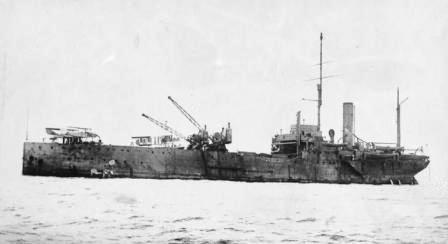
HMS ARK ROYAL
3 January 1920 arrived Suez from Abadan
13 January 1920 berthed at Gibraltar
25 January 1920 in collision with the Greek s.s. ATHENA south of Ras Garib and retuned to Suez for repairs
5 March 1920 sailed Port Said after repairs following the collision of 25 January 1920
5 April 1920 arrived at Aden from Gibraltar sailing the same day for Singapore
28 April 1920 sailed Singapore in ballast for Abadan
10 May 1920 Chief Cook Edward Borg discharged dead - natural causes - Fever
15 June 1920 sailed Aden for Port Said
7 July 1920 berthed at Gibraltar while on passage from Constantinople
28 July 1920 arrived at Bermuda from Constantinople
3 August 1920 passed Sand Key, Florida westbound
1 September 1920 berthed at Portsmouth Harbour from Tampico and Bermuda
30 September 1920 arrived Port Arthur, Texas
12 October 1920 arrived at Port Said from Portsmouth
2 November 1920 at Abadan Hospital Able Seaman Ernest Albert Fletcher discharged dead from suspected cholera
6 November 1920 at 18°12N 58°16E Carpenter Maruis Madsen discharged dead from cholera
21 November 1920 arrived at Suez from Abadan
30 November 1920 at the European Hospital, Aden Fireman George Beagley discharged dead from pneumonia. Admitted to the hospital on 15 November 1920
12 December 1920 berthed at Old Kilpatrick from Abadan
20 December 1920 sailed Old Kilpratrick in ballast for Abadan
1921 transferred to Admiralty ownership but remained under commercial management
3 January 1921 arrived at Port Said from the River Clyde
14 February 1921 berthed at Gibraltar from Port Said to discharge her cargo
17 March 1921 berthed at Port Arthur Texas from Gibraltar
24 March 1921 sailed Port Arthur, Texas for Invergordon
16 April 1921 berthed at Invergordon
29 April 1921 sailed the River Tyne for Port Said
27 May 1921 arrived at Abadan from the River Tyne
14 June 1921 arrived at Suez from Abadan
10 July 1921 arrived at Port Said from Gibraltar when on passage to Abadan
23 July 1921 arrived at Abadan
25 September 1921 berthed at Port Arthur from Sheerness
30 September 1921 sailed Port Arthur Texas for Sheerness
13 February 1922 sailed from Plymouth for Abadan
25 February 1922 arrived at Port Said
9 March 1922 arrived at Abadan from Plymouth
25 May 1922 berthed at the Main Wharf, Singapore
29 May 1922 while coming alongside the ship to refuel while in port at Penang a crew member from HMS CAIRO - Stoker T Mahoney fell between the vessels and was crushed. His body was recovered later that day having been washed ashore at Kelawai
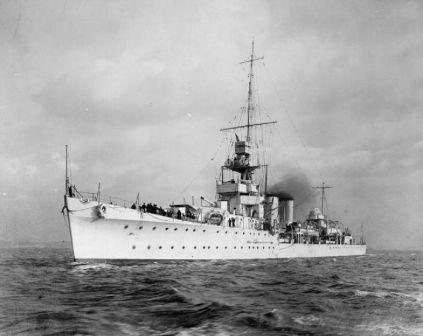
HMS CAIRO
13 June 1922 Fireman James Thomas Sparks was fined $75 or three months imprisonment by a Court in Singapore for being in possession of a firearm without a licence. Fireman Harry Bunker and Fireman Abraham Deen were also fined $75 or 3 months imprisonment for attempting to sell the firearm to local workers in Keppel Harbour. Bunker and Deen were also charged with attempting to cheat a local shop keeper drinking two whisky and soda without paying for them. Both were fined $30 or one months imprisonment consecutively. The fines were not paid
1922 the accident with the ss Athena (see above) was subject to litigation in the Admiralty DIvision of the High Court - see Lloyds Law Reports [1922] Vol. 10 Ll.L.Rep. 729
22 June 1922 in dry dock at Kings Dock, Keppel Harbour, Singapore
23 August 1922 arrived at Port Said
7 December 1922 arrived at Suez from Abadan
13 December 1922 reported in the Times that she was due at Malta
19 December 1922 passed Gibraltar
20 December 1922 sailed Sagres for Devonport
25 December 1922 arrived at Plymouth from Abadan
1 February 1923 before Falmouth Police Court Chief Steward Michael Wood and Chief Cook Charles Sapieno appeared charged with the larceny of two mugs. The case was reported in the West Briton & Cornwall Advertiser of the same day -

West Briton & Cornwall Advertiser press cutting
19 February 1923 arrived Port Arthur from Falmouth
6 June 1923 sailed Plymouth for Abadan
11 July 1923 berthed at Bermuda from Jamaica
27 September 1923 sailed Port Said for Gibraltar
21 November 1923 the Admiralty Fuel & Stores Officer Singapore had published in the local press -
13 February 1924 arrived Port Said from Rosyth when on passage to Abadan
6 September 1924 berthed at Malta from Abadan - the ship was still in port on 12 September 1924
28 November 1924 sailed Abadan for Aden
2 February 1925 berthed at Portmouth Harbour
4 February 1925 sailed from Portsmouth Harbour
12 February 1925 berthed at Portsmouth Harbour
15 February 1925 sailed from Portsmouth Harbour
1 June 1925 Captain William Bushnell RFA appointed as Master and Mr Clifford N Ansell RFA appointed as Chief Engineer Officer
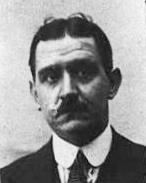
Captain William Bushnell RFA
2 January 1926 at HM Naval Base Portland
4 January 1926 sailed Portland for Trinidad
17 January 1926 arrived at Falmouth having lost three blades of her propeller and with her shaft damaged
20 January 1926 passed the Lloyds Signal Station on the Lizard sailing west
21 January 1926 arrived at Swansea from Falmouth
20 February 1926 berthed at Newport
28 June 1926 entered the Gulf of Oman
5 July 1926 at sea Sailor Charles George Pavey discharged dead from heat stroke
19 August 1926 sailed Trinidad
4 September 1926 Captain William Bushnell discharged dead - natural causes - pneumonia

Press Cutting from the Western Morning News of 6 September 1926
7 September 1926 at Plymouth an inquest was held touching on the death of Captain Bushell and this was reported in the Sunderland Daily Echo -

Press Cutting from the Sunderland Daily Echo of 8 September 1926
8 September 1926 Captain Cyril F Haughton RFA appointed as Master
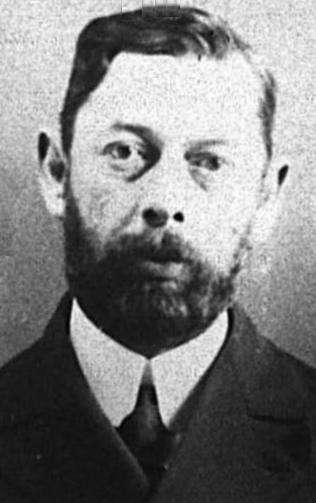
Captain Cyril F Haughton RFA
18 February 1927 berthed at Portsmouth Harbour
24 February 1927 sailed from Portsmouth Harbour for Plymouth
22 April 1927 Mr Joseph S Harrison RFA appointed as Chief Engineer Officer
4 June 1927 arrived at Plymouth
8 June 1927 sailed Plymouth for Chatham
18 July 1927 while on passage to Port Arthur, Texas radioed she was 297 nmiles away from the port
20 July 1927 docked at Port Arthur, Texas
23 July 1927 sailed Port arthur, Texas for a UK port
28 September 1927 sailed Pembroke Dock for Devonport arriving on 30 September 1927
3 November 1927 arrived at Port Arthur, Texas to load
6 November 1927 sailed Port Arthur, Texas
5 January 1928 berthed at Port Arthur, Texas to load
7 January 1928 sailed Port Arthur, Texas for Devonport
26 February 1928 berthed at Port Arthur, Texas to load
28 February 1928 sailed Port Arthur, Texas
7 August 1928 arrived at Malta while on passage to Abadan
2 June 1929 berthed at Gibraltar from Port Said to discharge cargo
22 July 1929 berthed at Gibraltar from Abadan to discharge cargo
23 September 1929 Captain James D Ashworth RFA appointed as Master
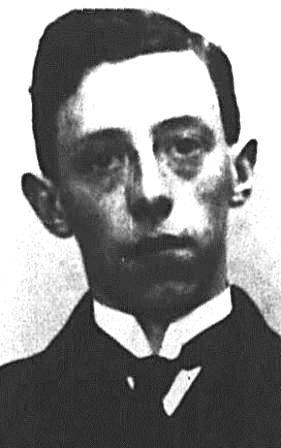
Captain James D Ashworth RFA
11 December 1929 berthed at Portsmouth Harbour
20 December 1929 sailed from Portsmouth Harbour from the Oil Fuel Jetty
16 April 1930 arrived at Port Said from Abadan
6 May 1930 sailed Abadan
29 May 1930 berthed at Gibraltar from Abadan to discharge cargo
13 June 1930 arrived at Port Said from Gibraltar
27 June 1930 arrived Abadan from Gibraltar
13 July 1930 arrived Suez from Abadan
18 August 1930 sailed Devonport
25 August 1930 arrived at Portsmouth
8 September 1930 Mr Andrew H Ireland RFA appointed as Chief Engineer Officer
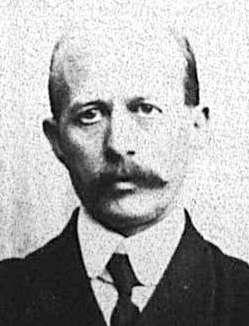
Chief Engineer Officer Andrew H Ireland RFA
9 October 1930 sailed Chatham
22 January 1931 arrived at Port Said when on passage to Abadan
10 April 1931 arrived Abadan from Gibraltar
30 April 1931 arrived at Suez
1 May 1931 sailed Port Said for Gibraltar
3 June 1931 sailed Suez for Abadan
21 June 1931 sailed Abadan
26 July 1931 at Devonport
24 August 1931 berthed at Portsmouth Harbour
25 September 1931 sailed from Portsmouth Harbour
January in reserve at Rosyth
17 September 1935 Captain J Martin Smith DSC RFA (Act Lieut Commander RNR Retd) appointed as Master
22 December 1935 sailed Bermuda to Gibraltar
1936 transferred to Admiralty management and manning as an RFA
16 January 1936 berthed at Gibraltar
14 April 1936 berthed at Gibraltar from Trinidad to discharge cargo
6 September 1936 sailed the Clyde
12 September 1936 arrived at Gibraltar from Glasgow in ballast
22 October 1936 berthed at Swansea
27 October 1936 sailed Swansea
11 March 1937 berthed at Gibraltar from Abadan and Port Said to discharge cargo
March/April 1937 transported a damaged seaplane from Buenos Aires to Portland
16 April 1937 Mr John Atchison RFA appointed as Chief Engineer Officer
1 May 1937 at Leith Docks Able Seaman John Robertson discharged dead. When returning to the ship attempted to ride on the buffers of a shunting truck. He fell between the lines and two trucks ran over him - he died of his wounds at the scene
15 May 1937 Captain Alexander H Hardy RFA appointed as Master
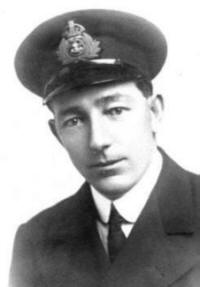
Captain Alexander H Hardy RFA
9 June 1937 sailed Grangemouth
13 June 1937 grounded at Rosyth which was caused by both pilotage error and insufficient power of the tug BUCKIE BURN. This led to a more powerful tug being stationed at Rosyth
7 December 1937 berthed at Gibraltar from Trinidad to discharge cargo
14 January 1938 while Captain David A Rees RFA was in command suffered severe damage from an Atlantic gale with the upper and lower bridge, the wireless office and the Master's cabin being carried away. The chart room was wrecked. The Chief Officer, the quartermaster and a look out were lifted from the bridge with the wreckage and dropped onto the main deck. Derricks were twisted. Funnel stays were snapped and the funnel holed. The steering gear was put out of action. Distress rockets were fired but not answered. The starboard lifeboat was carried away. The vessel was eventually steered from the emergency steering position and the ship was escorted into Devonport under escort from HMS WOLVERINE.


HMS Wolverine
17 January 1938 arrived back in Devonport
5 February 1938 after repairs she became a fuelling hulk at Devonport
3 September 1939 at Devonport at the outbreak of World War 2
November 1939 was damaged during an air raid at Devonport
17 June 1940 Chief Officer Franklin G Edwards RFA appointed as Chief Officer in command
29 October 1940 a letter from HMS DRYAD proposed moving her to Portsmouth from Devonport
18 April 1943 in collision with the escort destroyer HMS MELBREAK

HMS MELBREAK
28 April 1944 USS Satterlee (DD626) alongside to refuel - 99,250 gallons received also USS Thompson alongside to refuel - received 111,250 gallons
4 May 1944 USS Thompson (DD627) alongside to refuel

USS Thompson (DD627)
6 May 1944 USS Fitch (DD462) and USS Forrest (DD461) alongside to refuel
7 May 1944 USS Satterlee (DD626) alongside to refuel - 76,762 gallons received
8 May 1944 USS Baldwin (DD624) alongside to refuel
22 May 1944 USS Rodman (DD456) and USS Ellyson (DD454) alongside to refuel
23 May 1944 USS's Nelson (DD623), Murphy (DD603), Glennon (DD630) and Jeffers (DD621) alongside (two either side) to refuel
24 May 1944 USS Nelson (DD623) while casting off her port screw fouled the anchor chain of the mooring buoy at the bow of War Bahadur
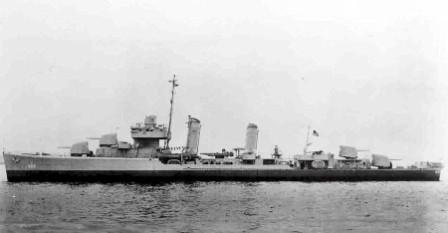
USS Nelson (DD623)
25 May 1944 USS Nelson (DD623) discharged her oil fuel prior to entering dry dock for repairs to her port screw
27 May 1944 USS Meredith (DD726) alongside to refuel - received 28,000 gallons also USS Walke (DD723) and USS Hambleton (DD455) alongside to refuel
29 May 1944 USS Somers (DD381) alongside to refuel
2 June 1944 USS Nelson (DD623) undocked and towed alongside to refuel
4 June 1944 USS Rodman (DD456) alongside to refuel
10 June 1944 USS Laffey (DD724) alongside to refuel
12 June 1944 USS Bates, USS Amesbury (DE66) and USS Blessman (DE69) alongside for fuel and receive provisions. USS Amesbury received 54,218 gallons of fuel oil
15 June 1944 USS Harding (DD625) alongside to refuel
24 June 1944 USS Jeffers (DD621) alongside to refuel
30 June 1944 USS Herndon (DD638) alongside to refuel
6 July 1944 USS Carmick (DD493) alongside to refuel
11 July 1944 USS Gheradi (DD637), USS Herndon (DD638) and USS Butler (CDD34) all alongside to refuel
4 October 1944 USS Henry R Kenyon (DD683) alongside to refuel
24 December 1944 USS Nelson (DD623) alongside being refueled
25 January 1945 USS Henry R Keynon (DD683) and USS Gillette (DD681) alongside refuelling
26 January 1945 while on No 3 buoy, Tamar River USS Cormorant (AM40) alongside refuelling
8 February 1945 USS Clark (DD361) alongside being refueled
16 May 1945 USS Craven (DD382) alongside to empty her fuel tanks prior to entry into dry dock - transferred 2,885.2 barrels of FFO
19 May 1945 USS Craven (DD382) alongside to refuel - received 3,215.8 barrels of FFO
8 January 1946 in Plymouth as a hulk
8 February 1946 in collision with the corvette HMS KENILWORTH CASTLE
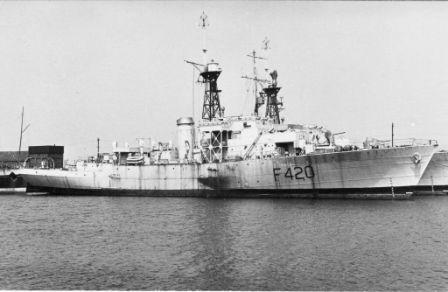
HMS KENILWORTH CASTLE
7 August 1946 handed over to the Ministry of Transport - subsequently handed over to the British Iron and Steel Corporation
14 September 1946 left under tow from Devonport to Blyth
22 September 1946 arrived at Blyth for breaking up by Hughes Bolckow Ltd.
14 April, 2012 the ships bell was sold this day by auction at Railtons Northern Auction Centre at their Spring Antiques Sales at Wooler, Northumberland. It realised £150.00
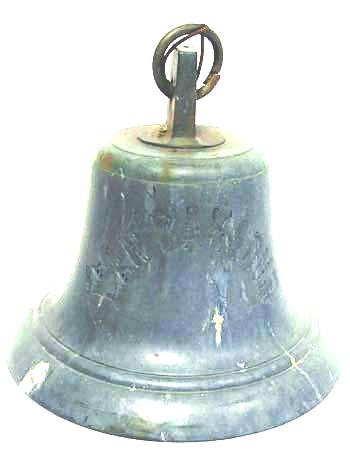
published with the consent of the Copyright holder - Jim Railton