Ire fortiter quo nemo ante iit.

 
Remembering
Michael Walsh Leading Fireman RFA Creosol died 7th of february 1918
William Brocklehurst Scullion RFA Creosol died 7th of february 1918
W J Lawrence Donkeyman RFA Berta died 7th of february 1946
Royal Fleet Auxiliary Flag

golda

Search Site


Member Login


Gunline Archive

RFA Gunline

Time for Smoko

RFA Jigsaws
Sudoku Online
Content View Hits : 1102236
facebook                 twitter-logo
RFA Ships starting with C
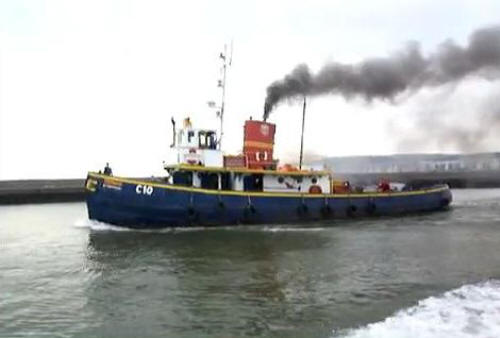
RFA C10

RFA C10


C10


Previous name:
Subsequent name:                           Destiny , Thomas                                                           

Class:                                                  Tug - Fleet Fuelling

Pennant No:

Laid down:
Builder:                                                Cochrane & Sons Ltd, Selby
Launched:                                          1938
Into Service:
Out of service:                                    1963 sold 
Fate:

Items of historic interest involving this ship: -


May 1953 - Diesel Tug based at Portsmouth for fleet fueling duties

1958 renamed Destiny

13 November 1963 sold out of Service to H G Pounds, Portsmouth

July 2010 in service at Swansea Docks


RFA C11

RFA C11

RFA C11
 

Previous name:                  FOREMOST 91
Subsequent name:            REGARD

Official Number:                 166571                                                           

Class:                                  Tug - Fleet Fuelling

Pennant No:

Laid down:
Builder:                                 Cook, Welton & Gemmell Ltd, Beverley
Launched:                           16 July 1938
Into Service:                         6 October 1938
Out of service:                     1959
Fate:                                      Sold out of service


Items of historic interest involving this ship: -


Background Data:   Naval Stores harbour craft were usually allocated a number bearing the prefix C. This descended from the days when the Coaling Officer operated the fuelling craft and many of these craft were operated by the Naval Stores Department under the Director of Stores (Navy) C numbers were allocated to craft such as dumb barges, coal lighters, dumb coal lighters, self-propelled diesel lighters, self-propelled stores lighters, launches and tugs of which a number were registered as RFA’s and wore the ‘green stripe’ that indicated the Naval Stores Department.


16 July 1938 Launched by  Cook, Welton & Gemmell Ltd, Beverley as Yard Nr 647  named  FOREMOST 91

13 September 1938 completed

6 October 1938 purchased by the Admiralty and renamed C 11

May 1953 based at Portsmouth 

1959 renamed REGARD by her owners


Regard-03

RFA C11 after being sold and renamed Regard


25 May 1966 purchased for demolition by Jos de Smedt at Antwerp

 
RFA C600


        RFA C600                       


         For details of RFA C600 please go to RFA Black Dragon

 
RFA C614

C614

RFA C614 after being sold out of Service and renamed Commodity


Previous name:
Subsequent name:                      COMMODITY

Official Number:                           168464

Class:                                             Coaling Lighter

Pennant No:                                  X114  /  A113

Laid down:
Builder:                                           Yarwood, Northwhich
Launched:                                     22 February 1943                        
Into Service:                                   July 1943
Out of service:                               1956
Fate:                                                Broken up 1969


Items of historic interest involving this ship: -


Background Data:  Naval Stores harbour craft were usually allocated a number bearing the prefix C. This descended from the days when the Coaling Officer operated the fuelling craft and many of these craft were operated by the Naval Stores Department under the Director of Stores (Navy) C numbers were allocated to craft such as dumb barges, coal lighters, dumb coal lighters, self-propelled diesel lighters, self-propelled stores lighters, launches and tugs of which a number were registered as RFA’s and wore the ‘green stripe’ that indicated the Naval Stores Department


24 February 1943 Launched by W.J. Yarwood & Sons (1938) Ltd, Northwich as Yard Nr 713 named C614 for the Naval Stores Department

July 1943 completed

22 June 1943 Captain R Smith RFA appointed Master

2 January 1944 Mr A A Brown RFA appointed as Chief Engineer Officer

16 November 1944 Chief Engineer A A Brown RFA discharged dead. 

26 January 1945 Captain G N Stokoe RFA appointed Master

16 November 1945 Mr W H G Rogers RFA appointed as Chief Engineer Officer

1956 on the disposal list at Sheerness

May 1956 sold to F T Everard and Sons Limited and renamed COMMODITY

5 July 1956 notice of change of name given in The Times of this day to 'Commodity'

1957 rebuilt as a tanker - tonnages now 470 grt   225 nrt   570 dwt and dimensions now 166’03” x 28’03” x 10’05½”

May 1969 purchased by Belcon Shipping & Trading Co for breaking up

28 May 1969 arrived Bruges and resold to Jacques Bakker en Zonen

August 1969 demolition begun

 
RFA C615

RFA C615

Previous name:
Subsequent name:

Class:                                      Steam stores lighter

Pennant No:

Laid down:
Builder:                                    Jas Pollock, Sons & Co Ltd, Faversham
Launched:                               9 January 1943
Into Service:                            1943
Out of service:                        2 August 1971
Fate:                                         sold out of service

Items of historic interest involving this ship: -


Background Data:   Naval Stores harbour craft were usually allocated a number bearing the prefix C. This descended from the days when the Coaling Officer operated the fuelling craft and many of these craft were operated by the Naval Stores Department under the Director of Stores (Navy) C numbers were allocated to craft such as dumb barges, coal lighters, dumb coal lighters, self-propelled diesel lighters, self-propelled stores lighters, launches and tugs of which a number were registered as RFA’s and wore the ‘green stripe’ that indicated the Naval Stores Department


9 January 1943  launched by  Jas Pollock, Sons & Co Ltd, Faversham as Yard Nr 1804  named C615 for the Naval Stores Department

1943 completed

May 1953 Steam stores lighter based at Devonport

2 August 1971 sold out of service

 
RFA C616

C_6160088


Previous name:
Subsequent name:                  SEAMILL

Official Number:                       169790                                                                                

Class:                                         Stores Lighter

Pennant No:

Laid down:
Builder:
Launched:                                  20 February 1943
Into Service:                               1943
Out of service:                            May 1980
Fate:                                            Sold out of service


Items of historic interest involving this ship: -


Background Data:  Naval Stores harbour craft were usually allocated a number bearing the prefix C. This descended from the days when the Coaling Officer operated the fuelling craft and many of these craft were operated by the Naval Stores Department under the Director of Stores (Navy) C numbers were allocated to craft such as dumb barges, coal lighters, dumb coal lighters, self-propelled diesel lighters, self-propelled stores lighters, launches and tugs of which a number were registered as RFA’s and wore the ‘green stripe’ that indicated the Naval Stores Department


20 February 1943  launched by  Jas Pollock, Sons & Co Ltd, Faversham as Yard Nr 1805  named C616 for the Naval Stores Department

1943 completed

26 March 1952 at Stangate Creek, Sheerness alongside HMS Plymn delivering Naval Stores

21 April 1952 at Stangate Creek, Sheerness alongside HMS Plymn delivering Naval Stores

1 May 1952 at Chatham alongside HMS Campania delivering Naval Stores

2 May 1952 at Chatham a further visit alongside HMS Campania delivering Naval Stores

5 May 1952 at Chatham a further visit alongside HMS Campania delivering Naval Stores

8 May 1952 at Stangate Creek, Sheerness alongside HMS Plymn delivering Naval Stores

30 May 1952 at Chatham a further visit alongside HMS Campania delivering Naval Stores

May 1953 diesel store lighter based at Chatham 

May 1980 purchased by Elliot Diving Co, Ardrossan and renamed SEAMILL

 
RFA C617


RFA C617


Previous name:
Subsequent name:

Official Number:                           169796

Class:                                            Stores Lighter

Pennant No:

Laid down:
Builder:                                          Jas Pollock, Sons & Co Ltd, Faversham
Launched:                                     6 May 1943
Into Service:                                  1943
Out of service:                              30 August 1967
Fate:

Items of historic interest involving this ship: -


Background Data:   Naval Stores harbour craft were usually allocated a number bearing the prefix C. This descended from the days when the Coaling Officer operated the fuelling craft and many of these craft were operated by the Naval Stores Department under the Director of Stores (Navy) C numbers were allocated to craft such as dumb barges, coal lighters, dumb coal lighters, self-propelled diesel lighters, self-propelled stores lighters, launches and tugs of which a number were registered as RFA’s and wore the ‘green stripe’ that indicated the Naval Stores Department


6 May 1943  launched by  Jas Pollock, Sons & Co Ltd, Faversham as Yard Nr 1806  named C617 for the Naval Stores Department

1943 completed

3 April 1952 at Stangate Creek, Sheerness alongside HMS Plym delivering Naval Stores

30 April 1952 at Chatham alongside HMS Campania

2 May 1952 at Chatham alongside HMS Campania again

30 August 1967 sold out of service

 
RFA C619

RFA C619

RFA C619
 

Previous name:
Subsequent name:

Official Number:                         169605                                                                     

Class:                                          Stores Lighter

Pennant No:

Laid down:
Builder:                                        Rowhedge Iron Works Co Ltd, Rowhedge
Launched:                                   1 September 1943
Into Service:                                1943
Out of service:                             1963
Fate:


Items of historic interest involving this ship: -


Background Data:  Naval Stores harbour craft were usually allocated a number bearing the prefix C. This descended from the days when the Coaling Officer operated the fuelling craft and many of these craft were operated by the Naval Stores Department under the Director of Stores (Navy) C numbers were allocated to craft such as dumb barges, coal lighters, dumb coal lighters, self-propelled diesel lighters, self-propelled stores lighters, launches and tugs of which a number were registered as RFA’s and wore the ‘green stripe’ that indicated the Naval Stores Department


1 September 1943  launched by  Rowhedge Iron Works Co Ltd, Rowhedge as Yard Nr       named C619 for the Naval Stores Department

1943 completed

1963 on the disposal list at Portsmouth

July 1965 reported lying in H.G. Pounds yard in Portsmouth for demolition

 
RFA C620

RFA C620

c620
RFA C620
 

Previous name:
Subsequent name:   

Official Number:                           169826                                                                        

Class:                                            Stores Lighter

Pennant No:

Laid down:
Builder:                                          Jas Pollack, Sons & Co Ltd, Beverley
Launched:                                     13 January 1944
Into Service:                                  April 1944
Out of service:
Fate:                                               1966 sold for demolition

Items of historic interest involving this ship: -


Background Data:   Naval Stores harbour craft were usually allocated a number bearing the prefix C. This descended from the days when the Coaling Officer operated the fuelling craft and many of these craft were operated by the Naval Stores Department  under the Director of Stores (Navy) C numbers were allocated to craft such as dumb barges, coal lighters, dumb coal lighters, self-propelled diesel lighters, self-propelled stores lighters, launches and tugs of which a number were registered as RFA’s and wore the ‘green stripe’ that indicated the Naval Stores Department


13 January 1944 launched by  Jas Pollack, Sons & Co Ltd, Beverley as Yard Nr 1831 named C620 for the Naval Stores Department

1944 completed

1966 purchased for demolition by H.G. Pounds & Co Ltd, Portsmouth

 
RFA C621

RFA C621
 

Previous name:
Subsequent name:                       Maureen Brush     Bill Brush

Official Number:                            169858                                                                       

Class:                                              Stores Lighter

Pennant No:

Laid down:
Builder:                                            Pollock, Faversham
Launched:
Into Service:                                    May 1944
Out of service:                                1961
Fate:                                                 Sold out of service


Items of historic interest involving this ship: -


Background Data:  Naval Stores harbour craft were usually allocated a number bearing the prefix C. This descended from the days when the Coaling Officer operated the fuelling craft and many of these craft were operated by the Naval Stores Department under the Director of Stores (Navy) C numbers were allocated to craft such as dumb barges, coal lighters, dumb coal lighters, self-propelled diesel lighters, self-propelled stores lighters, launches and tugs of which a number were registered as RFA’s and wore the ‘green stripe’ that indicated the Naval Stores Department


11 February 1944  launched by  Jas Pollock, Sons & Co Ltd, Faversham as Yard Nr 1832 named C621 for the Naval Stores Department

May 1944 completed

1961 purchased by Maldon Shipping Co Ltd, London and renamed MAUREEN BRUSH

December 1961 berthed at Wouldham, River Medway being discharged

1966 Re-engined with 1 x 8 cyl 5½” x 7¾” diesel engine by L. Gardner & Sons, Manchester. 200 bhp. Speed 7½ knots. Single screw

1971 Renamed BILL BRUSH by her owners

 
RFA C623

RFA C623


Previous name:
Subsequent name:  

Official Number:                                   169973                                                                        

Class:                                                    Oil Fuel Lighter

Pennant No:

Laid down:
Builder:                                                  Yarwood, Northwich
Launched:                                            29 June 1944
Into Service:                                          October 1944
Out of service:
Fate:


Items of historic interest involving this ship: -


Background Data:   Naval Stores harbour craft were usually allocated a number bearing the prefix C. This descended from the days when the Coaling Officer operated the fuelling craft and many of these craft were operated by the Naval Stores Department under the Director of Stores (Navy) C numbers were allocated to craft such as dumb barges, coal lighters, dumb coal lighters, self-propelled diesel lighters, self-propelled stores lighters, launches and tugs of which a number were registered as RFA’s and wore the ‘green stripe’ that indicated the Naval Stores Department


29 June 1944 launched by  W. J. Yarwood & Sons (1938) Ltd, Northwich as Yard Nr 720 named  C623 for the Naval Stores Department

October 1944 completed

 
RFA C624

RFA C624


Previous name:
Subsequent name: 

Official Number:                                    180551                                                                        

Class:                                                     Oil Fuel Lighter

Pennant No:

Laid down:
Builder:                                                   Yarwood, Northwich
Launched:                                              5 February 1945
Into Service:                                           April 1945
Out of service:
Fate:                                                        29 May 1969 sold out of service


Items of historic interest involving this ship: -


Background Data:


Naval Stores harbour craft were usually allocated a number bearing the prefix C. This descended from the days when the Coaling Officer operated the fuelling craft and many of these craft were operated by the Naval Stores Department under the Director of Stores (Navy) C numbers were allocated to craft such as dumb barges, coal lighters, dumb coal lighters, self-propelled diesel lighters, self-propelled stores lighters, launches and tugs of which a number were registered as RFA’s and wore the ‘green stripe’ that indicated the Naval Stores Department


5 February 1945  launched by  W. J. Yarwood & Sons (1938) Ltd, Northwich as Yard Nr 721 named  C 624 for the Naval Stores Department

1945 completed

29 May 1969 sold at Chatham

 
RFA C625

RFA C625


C6251944


Previous name:
Subsequent name: 

Official Number:                    169831                                                        

Class:                                      Oil Fuel Lighter

Pennant No:                           X05

Laid down:
Builder:                                   Yarwood, Northwich
Launched:                              7 January 1944 
Into Service:                           April 1944
Out of service:                       17 September 1963
Fate:                                        sold out of service


Items of historic interest involving this ship: -


Background Data:   Naval Stores harbour craft were usually allocated a number bearing the prefix C. This descended from the days when the Coaling Officer operated the fuelling craft and many of these craft were operated by the Naval Stores Department under the Director of Stores (Navy) C numbers were allocated to craft such as dumb barges, coal lighters, dumb coal lighters, self-propelled diesel lighters, self-propelled stores lighters, launches and tugs of which a number were registered as RFA’s and wore the ‘green stripe’ that indicated the Naval Stores Department


7 January 1944 launched by  W. J. Yarwood & Sons (1938) Ltd, Northwich as Yard Nr 726 named  C625 for the Naval Stores Department

1944 completed

17 September 1963 sold

 
RFA C633

RFA C633


C633

RFA C633 after being sold out of service and renamed 'City'


Previous name:
Subsequent name:                City

Official Number:                     180582

Class:

Pennant No:                            X101 / A102

Laid down:
Builder:                                    Yarwood, Northwich
Launched:                               22 March 1945   
Into Service:                             August 1945
Out of service:                         1956
Fate:                                          Broken up July 1969


Items of historic interest involving this ship: -


23 October 1945 Captain F Ashcroft RFA appointed as Master

3 March 1947 Mr E Scholes RFA appointed as Chief Engineer Officer

1956 sold to F T Everard & Sons Ltd, The Wharf,  Greenhithe, Kent

5 July 1956 notice of change of name given in The Times of this day to 'City'

July 1969 Broken up at Newport

 
RFA C641

RFA C641


C641 C641 after being sold out of service and renamed Candourity


Previous name:
Subsequent name:               CANDOURITY

Official Number:                     180837

Class:                                       Coal Lighter

Pennant No:                            X125

Laid down:
Builder:                                     Yarwood, Northwich
Launched:                               25 September 1945
Into Service:                             March 1946
Out of service:                         1956 sold out of service
Fate:                                          Broken Up


Items of historic interest involving this ship: -


Background Data:   Naval Stores harbour craft were usually allocated a number bearing the prefix C. This descended from the days when the Coaling Officer operated the fuelling craft and many of these craft were operated by the Naval Stores Department under the Director of Stores (Navy) C numbers were allocated to craft such as dumb barges, coal lighters, dumb coal lighters, self-propelled diesel lighters, self-propelled stores lighters, launches and tugs of which a number were registered as RFA’s and wore the ‘green stripe’ that indicated the Naval Stores Department


25 September 1945 launched by  W..J. Yarwood & Sons (1938) Ltd, Northwich as Yard Nr 773 named C641 for the Naval Stores Department

March 1946 completed

10 January 1949 Captain A Smith  appointed as Master and Mr W Gordon  appointed as Chief Engineer Officer

1956 on disposal list at Sheerness

May 1956 bought by F.T.Everard & Sons Ltd and named changed to CANDOURITY

5 July 1956 notice of change of name given in The Times of this day to 'Candourity'

January 1958 converted to oil fuel burning

1958 rebuilt as a tanker; tonnages now 474 grt   225 nrt   570 dwt and dimensions now 165’01” x 28’03” x 10’05½”

8 January 1962 had engine trouble off Breaksea Point in severe weather.  A tug eventually got a hawser to her and towed her to Barry Roads

June 1969 sold for demolition by Van den Bosche & Co at Boom

18 June 1969 sailed in tow from the Thames

19 June 1969 arrived Antwerp enroute to breakers

 
RFA C642

RFA C642

RFA C642


RFA C642 in Admiralty Service


C642


RFA 642 after being sold out of Service renamed 'Clanity' and converted to a tanker 


Previous name:
Subsequent name:                CLANITY

Official Number                       181548

Class:                                       Coal lighter

Pennant No:                             X126 / A201

Laid down:
Builder:                                      Yarwood, Northwich
Launched:                                2 July 1946
Into Service:                              December 1946
Out of service:                          Sold out of service  
Fate:                                           Broken up     


Items of historic interest involving this ship: -


Background Data:   Naval Stores harbour craft were usually allocated a number bearing the prefix C. This descended from the days when the Coaling Officer operated the fuelling craft and many of these craft were operated by the Naval Stores Department under the Director of Stores (Navy) C numbers were allocated to craft such as dumb barges, coal lighters, dumb coal lighters, self-propelled diesel lighters, self-propelled stores lighters, launches and tugs of which a number were registered as RFA’s and wore the ‘green stripe’ that indicated the Naval Stores Department


2 July 1945  Launched by  W. J. Yarwood & Sons (1938) Ltd, Northwich as Yard Nr 774 named C 642 for the Naval Stores Department

December 1946 completed

11 January 1947 Mr W J Robinson RFA appointed as Chief Engineer Officer

18 January 1947 Captain F T Cooke RFA appointed as Master

1956 on the disposal list at Sheerness

May 1956 sold to F.T.Everard & Sons Ltd and the name was changed to CLANITY

5 July 1956 notice of change of name given in The Times of this day to 'Clanity'

1958 converted into a tanker and to oil fuel burning with tonnages now 495 grt  224 nrt   600 dwt and dimensions now 171’06” x 28’03” x 10’04½

September 1969 sold for demolition by Scrappingco S.A.at Antwerp

11 September 1969 breaking up at Antwerp began

 
RFA C647

RFA C647

Previous name:
Subsequent name:  

Official Number:                          182893                                                                         

Class:                                           Tanker

Pennant No:

Laid down:
Builder:                                         Jas Pollock, Sons & Co Ltd, Faversham
Launched:                                    1 September 1947
Into Service:                                 November 1947
Out of service:
Fate:                                              Sold out of service 27 September 1968


Items of historic interest involving this ship: -


Background Data:   Naval Stores harbour craft were usually allocated a number bearing the prefix C. This descended from the days when the Coaling Officer operated the fuelling craft and many of these craft were operated by the Naval Stores Department under the Director of Stores (Navy) C numbers were allocated to craft such as dumb barges, coal lighters, dumb coal lighters, self-propelled diesel lighters, self-propelled stores lighters, launches and tugs of which a number were registered as RFA’s and wore the ‘green stripe’ that indicated the Naval Stores Department


1 September 1947  launched by  Jas Pollock, Sons & Co Ltd, Faversham as Yard Nr 1847 named C647 for the Naval Stores Department

November 1947 completed

27 September 1968 sold at Malta

 
RFA C648

RFA C648


Comity-01

Comity-02

RFA C648 after sale out of service as mv Comity


Previous name:
Subsequent name:                   Comity,   Constellation,  Careyna

Official Number:                        182906

Class:                                         Oil Lighter

Pennant No:

Laid down:
Builder:                                       Jas Pollock, Sons & Co Ltd, Faversham
Launched:                                  1946
Into Service:                                May 1949
Out of service:                            August 1958
Fate:


Items of historic interest involving this ship: -


Background Data:


Naval Stores harbour craft were usually allocated a number bearing the prefix C. This descended from the days when the Coaling Officer operated the fuelling craft and many of these craft were operated by the Naval Stores Department under the Director of Stores (Navy) C numbers were allocated to craft such as dumb barges, coal lighters, dumb coal lighters, self-propelled diesel lighters, self-propelled stores lighters, launches and tugs of which a number were registered as RFA’s and wore the ‘green stripe’ that indicated the Naval Stores Department


1946  launched by  Jas Pollock, Sons & Co Ltd, Faversham as Yard Nr 1848 named C 648 for the Naval Stores Department

May 1949 completed

15 June 1953 C648 ran aground at Robin Hood Bay, Whitby, Yorkshire while carrying a cargo of lubricating oil from Sheerness to Rosyth. She was towed off and into Whitby Harbour for inspection

August 1958 purchased by F.T. Everard & Sons Ltd, Greenhithe and renamed COMITY

1960 re-engined with 1 x 4 cyl 240 x 345mm diesel engine by Newbury Diesel Co Ltd, Newbury

February 1964 purchased by Marine Salvage and Survey Services Ltd, Croydon and renamed CONSTELLATION

1966 Purchased by Overseas and General Brokerage Finance Co Ltd ( W.J. Sutton, Manager) London name unchanged

1968 Purchased by Southwold Marine Aggregates Ltd, Southwold and renamed CAREYNA

1972 Purchased by Carter and Ward of Wickford Ltd, Wickford name unchanged

January 1977 Purchased for demolition by Metal Recoveries Ltd, Newhaven


RFA C65

RFA C65


For details of RFA C65 please see the entry for  RFA Nora


RFA C653

RFA C653

RFA C653
 

Previous name:
Subsequent name:  

Official Number:                   181893                                                                        

Class:                                     Lubricating Oil Lighter

Pennant No:

Laid down:                             1948
Builder:                                   Rowhedge Iron Works Co Ltd, Rowhedge
Launched:                              11 November 1947 
Into Service:                            April 1948
Out of service:
Fate:


Items of historic interest involving this ship: -


Background Data:   Naval Stores harbour craft were usually allocated a number bearing the prefix C. This descended from the days when the Coaling Officer operated the fuelling craft and many of these craft were operated by the Naval Stores Department under the Director of Stores (Navy) C numbers were allocated to craft such as dumb barges, coal lighters, dumb coal lighters, self-propelled diesel lighters, self-propelled stores lighters, launches and tugs of which a number were registered as RFA’s and wore the ‘green stripe’ that indicated the Naval Stores Department


11 November 1947  launched by  Rowhedge Iron Works Co Ltd, Rowhedge as Yard Nr     named  C653 for the Naval Stores Department

April 1948 completed

1968 believed sold out of service

19 July 2007 was at Gravesend, Kent

 
RFA C8


C_80087


Previous name:
Subsequent name:   

Official Number:                     187731                                                                      

Class:                                      Self Propelled Cargo Lighter

Pennant No:                            X79

Laid down:
Builder:                                     Rowhedge Iron Works Co Ltd, Rowhedge
Launched:                               1940
Into Service:                             January 1941
Out of service:                         1960
Fate:                                          28 March 1962 - sank


Items of historic interest involving this ship: -


Background Data:   Naval Stores harbour craft were usually allocated a number bearing the prefix C. This descended from the days when the Coaling Officer operated the fuelling craft and many of these craft were operated by the Naval Stores Department under the Director of Stores (Navy) C numbers were allocated to craft such as dumb barges, coal lighters, dumb coal lighters, self-propelled diesel lighters, self-propelled stores lighters, launches and tugs of which a number were registered as RFA’s and wore the ‘green stripe’ that indicated the Naval Stores Department


1940 Launched by  Rowhedge Iron Works Co Ltd, Rowhedge as Yard Nr       named C8 for the Naval Stores Department

January 1941 completed

May 1953 - Naval Stores lighter based at Greenock 

1958 on the Disposal List at Greenock

1960 purchased by Alderney Tramp Shipping Co Ltd, Guernsey and renamed  RIDUNIAN

28 March 1962 Sank off Garden Rocks after springing a leak while on a voyage from Alderney to Guernsey. Her crew were all saved

 
RFA C85

RFA C85


RFA C85
RFA C85
C85
RFA C85 after being sold out of Service, renamed Conformity and converted into a tanker


Previous name:
Subsequent name:               Conformity

Official Number:                     168043

Class:                                      Cargo Lighter

Pennant No:                            A124

Laid down:
Builder:                                    W. J. Yarwood & Sons (1938) Ltd, Northwich 
Launched:                               1940
Into Service:
Out of service:                         1956
Fate:                                          Broken up


Items of historic interest involving this ship: -


Background Data:   The Naval Stores harbour craft were usually allocated a number bearing the prefix C. This descended from the days when the Coaling Officer operated the fuelling craft. Many of these craft were operated by the Naval Stores Department under the Director of Stores (Navy). C numbers were allocated to vessels such as dumb barges, coal lighters, dumb coal lighters, self-propelled diesel lighters, self-propelled stores lighters, launches and tugs and a number were registered as RFA‘s and many wore the ‘green stripe’ that indicated the Naval Stores Department


12 July 1940 launched by  W. J. Yarwood & Sons (1938) Ltd, Northwich as Yard Nr 648 named C 85 for the Naval Stores Department

22 November 1940 Captain Arthur J D Gosney RFA appointed as Master

26 November 1940 completed

3 December 1940 Mr G H Came RFA appointed as Chief Engineer Officer

16 March 1942 Captain E O Morris RFA appointed Master

13 October 1945 Mr C J Heard RFA appointed as Chief Engineer Officer

3 May 1946 Captain John Maclean RFA appointed as Master

15 July 1948 Mr E C B Barron RFA appointed as Chief Engineer Officer

17 October 1948 Chief Engineer Cecil J Heard RFA discharged dead

23 December 1948 at Sittingbourne Magistrates' Court William Smith (16) who had stowed away on the ship when it was bound for Sheerness. When the ship was 30 miles out he was discovered and set to work as a cabin boy. The ship's Master offered to find a permanent place for Smith as part of the ships crew. He case was dismissed by the Court under The First Offenders Act. Smith signed as a Cabin Boy on 24 December 1948

28 February 1949 Captain R H Fox RFA appointed as Master

1956 offered for sale at Sheerness

May 1956 Sold out of service to F J Everard & Sons Ltd., The Wharf, Greenhithe, Kent

5 July 1956 notice of change of name given in The Times of this day to 'Conformity'

February 1959 converted to oil fuel burning

1959 rebuilt as a tanker, name unchanged. 484grt   227 nrt   600 dwt. Dimensions now 171’06” x 28’03” x 10’05¼”

24 October 1970 passed Doordrecht en route to Hendrik Ido Ambacht for demolition by Arie Rijsdijk,  Boss en Zonen


RFA Cairndale

RFA Cairndale

cairndale_1939

RFA Cairndale in 1939


Previous name:                      Erato
Subsequent name:

Official Number:                     167165

Class:                                      1st DALE CLASS Freighting Tanker

Pennant No:                            X36

Laid down:
Builder:                                    Harland & Woolf, Belfast
Launched:                               25 October 1938
Into Service:                            26 January 1939
Out of service:                         30 May 1941
Fate:                                          Sunk


Items of historic interest involving this ship: -


Background Data:  Originally there were to have been 19 ships in this Class. The first 6 were purchased off the stocks fro the British Tanker Co Ltd whilst building at the instigation of the then Director of Stores, Sir William Gick, who was concerned at the age of the RFA Fleet and ships that were approaching the end of their economic lives. A further 2 ships were purchased from Anglo Saxon Petroleum Co Ltd for evaluation purposes. At the outbreak of WW2, a further 11 ships were acquired from the MoWT war programme although one of these, to have been named EPPINGDALE, which had been registered in London as EMPIRE GOLD on 21/02/43 and intended for transfer to the Admiralty for manning and management as an RFA and despite 5 Officers being appointed to her, the intended transfer was cancelled the following day and she thus never entered RFA service. 3 of this Class were converted into LSG’s and were then reconverted back into tankers at the end of the War


25 October 1938  launched by Harland & Wolff Ltd, Belfast as Yard Nr 1014 named ERATO for Anglo Saxon Petroleum Co Ltd, London

16 December 1938 Mr J G Black RFA appointed as Chief Engineer Officer

3 January 1939 Captain Reginald J Harland RFA appointed as Master

26 January 1939 completed. After running trials she was purchased by the Admiralty for evaluation purposes and was renamed CAIRNDALE

August 1939 sailed Plymouth for the Clyde arriving 21 August 1939

1 September 1939 Mr J B D Payne RFA appointed as Chief Engineer Officer

4 September 1939 sailed Old Kilpatrick, Clyde to Avonmouth and loaded approximately 150 drums of petrol as deck cargo

12 September 1939 sailed Avonmouth - independent to Milford Haven

14 September 1939 sailed Milford Haven in convoy OB4 to Freetown, Sierra Leone to act as base oiler arriving 26 September 1939

7 February 1940 sailed Freetown independently for Dakar - arrived 10 February 1940

12 February 1940 sailed Dakar independently for Freetown - arrived 14 February 1940

1 April 1940 sailed Trinidad  independently to Freetown

11 April 1940 sailed Freetown independently to Dakar arriving 14 April 1940

19 April 1940 sailed Dakar independently to Trinidad arriving 27 April 1940

6 May 1940 arrived at Bermuda

7 May 1940 sailed Bermuda in convoy BHX41 joining convoy HX41 which had sailed from Halifax on 13 May 1941to the Clyde arriving 23 May 1940

20 June 1940 under going repairs on the Clyde.

27 June 1940 sailed the Clyde independently to Scapa Flow arriving two days later

7 July 1940 sailed Scapa Flow independently to the Clyde arriving two days later

17 July 1940 sailed Milford Haven to Gibraltar in Convoy OG38 arriving 29 July 1940

20 August 1940 Captain S G Kent RFA appointed as Master

13 October 1940 sailed Gibraltar independently to Curacao arriving 27 October 1940

4 November 1940 sailed Curacao independently to Gibraltar arriving 19 November 1940

6 April 1941 with HMS/m PANDORA at 32-30N, 32-30W

1941 the ships engineers of RFA Cairndale constructed a lectern and presented it to the Minister and congregation of St. Andrew's Church,  Governors Parade, Gibraltar


DSC00314

The Lectern is still in daily use in the church (2010)


17 April 1941berthed at Gibraltar under the escort of HMS/m PANDORA

28 April 1941 in drydock at Gibraltar

25 May 1941 Fitted for OAS operations, she sailed from Gibraltar with the store ship City of Dieppe escorted by the submarine HMS SEVERN to act as the oiler for Force H, the Squadron hunting the German battle cruiser BISMARCK and patrolled in the vicinity of 43.00 N 35.00 W. After the BISMARCK was sunk, she was ordered to return to Gibraltar

30 May 1941 When in position 35.19 N 08.33 E, 100 miles NW of Casablanca in the Eastern Atlantic under escort of HM corvettes COREOPSIS and FLEUR DE LYS torpedoed with two torpedoes by the Italian submarine Guglielmo Marconi and sank in four minutes.  Four members of the crew were killed and have no known grave but the sea. The three who died are remembered with pride on the Tower Hill Memorial and one on the Halifax Memorial, Canada. Her Master and other survivors were saved by the rescue tug  HMS ST DAY and were landed at Gibraltar.


P4280237

Three of those who died are recorded on the Tower Hill Memorial

One - Able Seaman Norman Cameron Macallister - is also remembered in Old Monkland Cemetery, Coatbridge, Lancashire


MacAllister1


Notes:


1. Her and her sister RFA CEDARDALE were similar in dimensions (but not in appearance) to the six British Tanker Company ships purchased at the same time. In addition, they had  two tanks built into their foreholds with a separate system, which held 75 tons of cargo lubricating oil. Two of the main cargo tanks had been blanked from the main cargo line to carry 1000 tons of petrol
 
RFA Califol

RFA Califol


For details of this RFA's history see RFA Rosefeaf 

 
RFA Canning

RFA Canning


RFA Canning
CANNING_2
CANNING_3


Previous name:
Subsequent name:              OKEANOS,  Arenzo

Official Number:                    106802

Class:                                      Kite Balloon Ship / Depot Ship

Pennant No:                           Y4, 46, N16

Laid down:                              1896
Builder:                                    D & W Henderson & Co., Meadowside

Launched:                              13 July 1896
Into Service:                            1916
Out of service:                         1918
Fate:                                         1919 Returned to owners Lamport & Holt Line


Items of historic interest involving this ship: -


Background Data:   Some official lists, marked as  “Lists of RFA’s” show vessels which spent some time as RFA’s during the First World War. These records are extremely sketchy and some of these vessels were “Yard Craft”, partially or wholly Dockyard manned, partly by RNR or Reserve Fleet personnel. Some of the Depot Ships staffed by skilled civilian Dockyard workers were for a time White Ensign. The Director of Stores was understood to be concerned with their manning and operationally they remained under Admiralty control


13 July 1896 Launched by  D & W Henderson & Co Ltd, Partick as Yard Nr 393 named  CANNING for Liverpool, Brazil & River Plate Steam Navigation Co Ltd (Lamport  &  Holt Ltd, Managers) Liverpool

August 1896 completed

21 September 1896 sailed Liverpool on her maiden voyage to Rio de Janeiro and Valparaiso

30 January 1898 sailed Rio de Janeiro to New York

17 July 1898 arrived at Gravesend from Montevideo

28 December 1898 sailed Lota for Liverpool

11 February 1899 sailed Liverpool to West Coast of South America via Glasgow

May 1915 Hired by the Admiralty as a Transport under the Red Ensign.

28 June 1915 purchased by the Admiralty name unchanged

29 June 1916 commissioned as a Kite Balloon Ship and served in the  Mediterranean

24 September 1915 Lieutenant Harry B Russell RNR discharged dead. Remembered with pride on the Plymouth Naval Memorial

2 October 1915 Arrived Gallipoli to relieve HMS (Later RFA) MANICA and was subsequently awarded the Dardanelles 1915 Battle Honour.

27 June 1916 service as a Kit Balloon Ship ended

1916 on return to the UK brought the wreckage of Army Zepplin LZ85 which had been shot down on 5 May 1916 over Salonika back to Barrow in Furness

1917 became a Depot Ship at Scapa Flow

December 1917 Warrant Engineer Edgar Ashworth RNR appointed as Chief Engineer Officer

24 May 1918 Acting Lieutenant Commander Vivian I Wiles RNR appointed in command

1919 returned to previous owners

21 January 1920 Purchased for £100,000 by Madame G. Visalia (J. Vassilou, Manager) Piraeus and renamed OKEANOS

December 1924 purchased by Ditta Luigi Pittaluga Vapori, Genoa and renamed ARENZANO

2nd Quater 1925 Broken up at Genoa, Italy


Ships of the same name


Canning. (ex Golconda) A Troopship of the Royal Indian Marine, 2,246 tons, 370 x 36 feet built by Inglis and launched on the 15 November 1882.


RFA Capable

RFA Capable


Capable-02


RFA Capable - early in her service with an open bridge


Capable-01


RFA Capable - later on in her service with the bridge covered in

Subsequent name:

Official Number:                    

Class:                                                       NIMBLE Class Fleet Tug

Pennant No:                                             W 171 / A 508

Laid down:
Builder:                                                     Hall, Russell & Co, Aberdeen
Launched:                                               22 November 1945

Into Service:                           
Out of service:
Fate:                                                         18 July 1973 sold for breaking up


Items of historic interest involving this ship: -


Background Data:  There were 4 ships in this Class, 2 of which saw service as RFA’s. They were designed for ocean towing, salvage and harbour duties and were fitted with spring towing hooks but not with towing winches. Bollard pull was approximately 30 tons. Complement 42. Armed during wartime with 1 x 12 pdr AA and 2 x 20 mm AA guns


Career Data:

1945  ordered

22 November 1945 launched by Hall, Russell & Co, Aberdeen as Yard Nr 787 named HMS CAPABLE

22 August 1946  completed acceptance trials at Portsmouth

18 April 1951 deployed to assist in the search for HMS/m Afray which failed to surface in the Channel and subsequently was found sunk off the island of Alderney.

1 April 1958  transferred to the PAS at Portsmouth as CAPABLE

4 August 1960 with other tugs sailed with HMS Vanguard in tow from Portsmouth - The Battleship ran aground at Point, Old Portsmouth

20 May 1962 twenty two members of the crew refused to man the ship (out of a PAS crew of 28) being in dispute over a pay claim. HMS Belfast could not sail from Portsmouth as a result.

August 1968  damaged the frigate HMS ARETHUSA in collision.

30 December 1969  in collision with RFA OLNA (3)

June 1971 on loan at Portland.

27 september 1971 transferred to Devonport.

6 October 1972 approval given to dispose of her and destoring began.

March 1973  on the Disposal List Devonport

26 April 1973 sailed Plymouth for the last time in tow of the tug  WARRIOR

18 July 1973  sold to Arnott Young for demolition at Dalmuir.

 
RFA Cardigan Bay

RFA Cardigan Bay

RFA_Cardigan_Bay_Aug_2006
RFA Cardigan Bay


Largs_bay_Drawing


Previous name:
Subsequent name:

Official Number:                  9240782

Class:                                    BAY CLASS Landing Ship Dock (Auxiliary)

Pennant No:                         L3009

Laid down:
Builder:                                  BAE Systems, Govan, Glasgow
Launched:                             9 April 2005
Into Service:                          6 March 2007
Out of service:
Fate:


Items of historic interest involving this ship: -


Background Data:   In  April 2000 an Invitation to Tender was issued for the design and build of 2 Alternative Landing Ships Logistics to replace RFA’s SIR PERCIVALE and SIR GERAINT which were to enter service in 2004 and 2005. Options would be provided for up to a further 3 vessels to replace the remainder of the ageing LSL,s. 3 U.K. yards submitted bids - Appledore Shipbuilders Limited, BAE Systems and Swan Hunter (Tyneside) Ltd. On 26 October 2000 an official announcement was made that 4  new ships would be built in a £300 million deal and that subject to negotiation of satisfactory terms and conditions, Swan Hunter (Tyneside) Ltd would be selected as lead shipyard for the programme. Two ships would be built at Wallsend with the other two being built to the Swan Hunter design by BAE Systems Marine at Govan. The ships would be based on the very successful Dutch ROTTERDAM design, but enlarged to give greater payload carrying capacity


8 April 2005  Named CARDIGAN BAY by Lady Jan Stanhope, wife of Admiral Sir Mark Stanhope KCB, OBE, ADC the First Sea Lord and Chief of Naval Staff.. Launch had to be delayed by 24 hours as a northerly wind had made the depth of  water in the Clyde too low

9 April 2005 launched by BAE Systems Marine, Govan as Yard Number 0324

January 2006 Captain Nigel Jones RFA appointed as Commanding Officer

22 June 2006 sailed Govan on Sea Trials

29 June 2006 returned Govan on completion of Sea Trials

8 September 2006 sailed Scotstoun for Portsmouth

15 September 2006 arrived Portsmouth

20 October 2006 Captain Peter Farmer RFA appointed as Commanding Officer

23 October 2006 sailed Portsmouth for Spithead Anchorage

10 November 2006 arrived Plymouth Sound

17 November 2006 arrived Falmouth from Devonport

14 February 2007 arrived Merseyside for the first time and entered the Cammell Laird Yard at   Birkenhead

23 February 2007 sailed Liverpool after dry docking

6 March 2007 service of Dedication was held at Portland

24 April 2007 berthed at Gibraltar

29 April 2007 sailed Gibraltar

16 July 2007 Captain Shaun Jones RFA appointed as Commanding Officer

24 July 2007 berthed on the south arm of Gibraltar dockyard

3 March 2008 rescued ten sailors from the MV Nadi which had sunk in the Arbian Gulf.

2 August 2008 Captain Shaun Jones RFA appointed as Commanding Officer

17 April 2009 His Royal Highness Prince Michael of Kent, GCVO visited the ship while it was alongside in Bahrain.

16 May 2009 Captain David J Buck RFA appointed as Commanding Officer

May 2010 Captain Gerard A Patterson RFA appointed as Commanding Officer

30 July 2010 Commander-in-Chief Fleet, Admiral Sir Trevor Soar KCB OBE RN, flew his flag onboard RFA Cardigan Bay, which is currently taking part in Operation Telic in the Northern Arabian Gulf

7 January 2011 berthed at Portsmouth after a three year Gulf deployment

18 January 2011 at Falmouth for repair period

April 2011 deployed to the Mediterranean with HMS Albion and HMS Sutherland on Operation Cougar 11 as the lead element of the Navy’s newly-formed Response Force Task Group (RFTG) together with elements of Taunton-based 40 Commando, Royal Marines 

12 April 2011 berthed at Gibraltar

1 August 2011 sailed Gibraltar

5 August 2011 berthed at Marchwood Military Port after her deployment in Operation Cougar 11


Ships of the same name


Cardigan Bay. (ex Loch Laxford) a Bay Class Frigate built by Henry Robb and Co, Leith, she was launched on the 28 December 1944.  Arrived at Troon for breaking up by West of Scotland Shipbreaking Co Ltd on the 5 March 1962.

Battle Honours for this Vessel: KOREA 1950-53

 
RFA Careful


Careful-03


Subsequent name:

Official Number:                    

Class:                                           NIMBLE Class Fleet Tug       

Pennant No:                                 W 172 / A 203              

Laid down:
Builder:                                          Alexander Hall & Co Ltd, Aberdeen
Launched:                                    23 October 1945

Into Service:                           
Out of service:
Fate:                                               29 September 1973 to T W Ward Ltd, Britton Ferry to be broken up

Items of historic interest involving this ship: -


Background Data:


There were 4 ships in this Class, 2 of which saw service as RFA’s. They were designed for ocean towing, salvage and harbour duties and were fitted with spring towing hooks but not with towing winches. Bollard pull was approximately 30 tons. Complement 42.  Armed during wartime with 1 x 12 pdr AA and 2 x 20 mm AA guns.


Career Data:


1945 ordered

23 October 1945 launched by Alexander Hall & Co Ltd, Aberdeen as Yard Nr 705 named HMS CAREFUL

22 August 1946 completed and was based at Devonport

28 December 1951 rescued 9 of the 11 crew of the topsail schooner Nellie Bywater which had capsized and sunk off the Devon Coast in very heavy weather. The other 2 of the schooner's crew were drowned. Able Seaman Albert Henry Willis was awarded the British Empire Medal (Civil Division) London Gazette 6 May 1952 refers for his bravery by jumping into the sea to rescue one of the crew from the schooner, swimming 50 yards towards her, getting a line round her. Getting her back to the tug and seeing her onboard before allowing himself to be pulled back onboard

18 September 1953 sailed Devonport with HMS Zephyr (which sailed from Portland) to RFA Wave Ruler which was disabled with a total loss of all steam off the coast 45 miles of the coast of Oporto, Portugal while on passage from the Persian Gulf  to Swansea

29 August 1956 prepared for passage and service during Operation Musketeer - the Suez Crisis

5 January 1957 at Port Said under the directions of the United Nations along with RFA's Sea Salvor, Salveda (with an RN crew). Kingarth, Uplifter, Kinbrace, Dispencer, Blue Ranger and Spapool 

23 March 1958 deployed from Devonport to assist in the saving of a British m/v Lapwing which has suffered engine failure five miles south west of Stoke Point near Plymouth

1 April 1958 transferred to PAS at Devonport as CAREFUL.

15 January 1960  collided with  RFA BLACK RANGER at Devonport.

6 May 1965 towed by SEA GIANT for lay up at Pembroke Dock.

27 September 1970 approval given to dispose of her

14 June 1973 offered for sale 'as lying' at Pembroke Dock in the Times of this day

July 1973 on the Disposal List at Pembroke Dock.

29 September 1973 sailed Pembroke Dock after sale for £25,250 for demolition by T.W. Ward Ltd, Briton Ferry.


RFA Caribbean

RFA Caribbean


Dunnottar_Castle-11

Dunnottar_Castle


Previous Name:                            DUNOTTAR CASTLE

Subsequent name:

Official Number:                            98152

Class:                                             Accommodation Ship                          

Pennant No:                                  M79                

Laid down:
Builder:                                           Fairfield Shipbuilding & Engineering Co, Govan           
Launched:                                     22 May 1890                   

Into Service:                                   June 1915
Out of service:                                27 September 1915
Fate:                                                Foundered             


Items of historic interest involving this ship: -


Background Data:  Some official lists, marked as  “Lists of RFA’s” show vessels which spent some time as RFA’s during the First World War. These records are extremely sketchy and some of these vessels were “Yard Craft”, partially or wholly Dockyard manned, partly by RNR or Reserve Fleet personnel. Some of the Depot Ships staffed by skilled civilian Dockyard workers were for a time White Ensign. The Director of Stores was understood to be concerned with their manning and operationally they remained under Admiralty control.


Career Data:

22 May 1890 launched by  Fairfield Shipbuilding & Engineering Co, Govan as Yard Nr 348 named DUNOTTAR CASTLE for Castle Mail Packets Co Ltd, London. Was the first Union-Castle liner to have 2 funnels.

August 1890 completed at a cost of £169,532. Carried 160 x 1st Class, 100 x 2nd Class and 100 x 3rd Class passengers or 1200 Troops in an emergency.

14 October 1890 commenced her maiden voyage from London via Dartmouth to Cape Town and made  the passage in 17 days 19 hours and 50 minutes, thus setting a new record.

20 June 1891 inaugurated the Castle Line service from Southampton to Cape Town.

1894 grounded off the Eddystone Lighthouse but was refloated.

November 1899   transported General Buller, Winston Churchill and 1500 troops to Cape Town and on the following voyage transported Lord Kitchener and Lord Roberts to the Boer War

8 March 1900  owners became Union Castle Mail Steamship Co Ltd (Donald Currie & Co, Managers) London name unchanged.

17 March 1900  first onboard unfurling of the new Houseflag at Southampton.

December 1900 towed into Dakar by the White Star Line RUNIC and was later towed back to the U.K. after her propeller shaft had snapped off Cape Verde. The initial tow was to Dakar and the 300 miles tow took 30 hours at an average speed of 9½ knots.

1904  withdrawn from service and laid up off Netley in Southampton Water.

June 1907  time chartered to Panama Railroad Co for 12 months for passenger work between New York and Panama.

1 August 1907 sailed New York to Panama City

August 1908 chartered to Sir Henry Lunn’s Co-Operative Cruising Co for cruises to Norway and the Mediterranean until 1912.

Spring 1913  transferred to the Royal Mail Steam Packet Co Ltd, London and renamed CARIBBEAN. Used on the New York - Bermuda and Canada - West Indies services.

Autumn 1914 hired by the Admiralty and used as a troopship in the first Canadian Transport Convoy to Europe during October and November of that year.

19 November 1914 commissioned as an Auxiliary Cruiser but was in poor shape and soon proved to be  unsuitable for such work and was paid off.

June 1915 commissioned as a Miscellaneous Vessel after having been purchased outright by the  Admiralty.  Was fitted out as an RFA accommodation ship for workmen at Scapa Flow.

26 September 1915 having sailed from Liverpool in very heavy weather she got into difficulties off Cape Wrath and sent out distress signals. The light cruiser HMS BIRKENHEAD and tugs were despatched from Scapa Flow and attempted to tow her to safety.

27 September 1915 most of her crew were taken off but she foundered about 0730hrs with the loss 6 Naval Ratings, 7 Merchant Seamen and 2 Canteen Staff. Those lost are remembered with pride on the Portsmouth Naval Memorial, the Chatham Naval Memorial, the Plymouth Naval Memorial and two in the Sandwick Cemetery, Ross & Cromarty


A_K_Wade

513878190_d3a5c5c072


Notes:

Sir Donald Currie, the Company Chairman, presented the first British rugby team to visit South Africa on the ship’s maiden voyage with a large gold cup  which he requested they hand to their South African hosts  to use as a trophy for an internal rugby competition. Thus the Currie Cup was introduced to South African rugby.

 
RFA Carol

RFA_Carol


Subsequent name:

Official Number:                    136699

Class:                                     FIRST 1000t  ATTENDANT CLASS Oiler

Pennant No:                           N 98 / X 16 / X 15

Laid down:
Builder:                                   Chatham Dockyard
Launched:                              5 July 1913

Into Service:                           August 1914
Out of service:
Fate:                                         Broken Up


Items of historic interest involving this ship: -


Background Data:  On the outbreak of WW1, the Admiralty embarked on a programme of tanker construction for the fledgling RFA Service and there were 4 ships in this Class, all of which were little more than powered barges. The early Swedish diesel engines in 2 of them gave endless trouble  and ultimately, 3 of the Class were sold off at the end of the War as part of the Government Disposal Scheme. In April 1940, approvl was given to build six 1500 ton Fleet Attendant Tankers, of which two were intended to replace two of this Class and the rest to replace larger Fleet Attendant Tankers for freighting duties, but eventually to replace the other 1000 tonners. As designed they were to have been 3200 tons full load displacement, 263 ft (O.A. ) x 38.5 ft x 16 ft, with steam engines developing 1200 ihp giving a speed of 10 knots with 2000 miles endurance. Cargo was to have been 1500 tons of fuel oil, 100 tons of diesel oil and 50 tons of petrol. There were no slips available in the U.K. for building and building capacity was sought in Canada but shipyards there could not cope either. In May 1940 the idea was abandoned.


5 July 1913 launched by H.M. Dockyard, Chatham as Yard Nr       named CAROL. Was built on a covered slip as one of the first oil carriers to have her engines and boilers almost  right aft

1 December 1913 Captain J D Ashworth RFA appointed as Master

August 1914 completed .Her maiden voyage from Devonport to Liverpool took 3 months to  complete because of breakdowns

1915 to 1920 on Dockyard fuelling service at Devonport

4 August 1915 Engineer Robert M Brown RNR appointed as Chief Engineer Officer

7 August 1915 Lieutenant Richard D Williams RNR appointed in Command

18 January 1917 Sub Lieutenant Frederick Chales Heath RNR discharged dead. Buried in Edinburgh (Seafield) Cemetery in an unmarked grave but is remembered on the screen wall in the Cemetery.

Seafield1

Panel 3 remembers Sub Lieutenant Heath

4 April 1918 Engineer Lieutenant John Joseph McKeag RNR discharged dead. Buried in Lyness Royal Naval Cemetery, Scapa Flow

McKeag RFA Carol


25 April 1918 Engineer Lieutenant John Rushton RNR appointed as Chief Engineer Officer

18 September 1918 Lieutenant Allan H Furlong RNR appointed in command. Previously he had been in command of RFA Ferol

13 February 1919 Engineer Lieutenant W Iron RNR appointed as Chief Engineer Officer. Demobilised on 6 July 1919

23 March 1919 Ordinary Seaman Chas Daniel O'Brien MMR 931240 was transfered from RFA Trefoil but failed to join RFA Carol on this day.

1 July 1919 Engineer Lieutenant W J Windsor RNR appointed as Chief Engineer Officer. Demobilised on 11 November 1919 previously had served on RFA Petrella

17 October 1919 Engineer Lieutenant George A Calvert RNR appointed as Chief Engineer Officer

1920 based at Sheerness

14 March 1920 Captain Allan Hyde Furlong RFA discharged dead having been appointed in Command on 18 September 1918. He died at the Royal Marine Infirmary, Deal, Kent and is buried in Worthing (Broadwater) Cemetery.

28 April 1920 Captain F Drever RFA appointed as Master

17 November 1920 at Portland alongside HMS Barham (battleship) to refuel her

22 November 1920 at Portland alongside HMS Barham (battleship) to refuel her again

21 July 1921 Mr G Alderson RFA appointed as Chief Engineer Officer

9 September 1921 Captain W E B Dyer RFA appointed as Master

1921 to 1924 based at Portland on Yard Craft Agreement

1923 was engaged in early OAS experiments while being towed by RFA PRESTOL

1925 returned to Devonport

6 January 1928 Laid up at Rosyth

28 June 1935 Purchased for £2,722 for scrap

August 1935 arrived for breaking up at Bo'ness by P. & W. McClellan

 
RFA Cautious

RFA Cautious


RFA Cautious


Previous name:                       HMS Prudent
Subsequent name:                 Rivtow Lion

Official Number:                       182199

Class:                                        ASSURANCE Class Tug

Pennant No:                             W73 / A385

Laid down:                               11 March 1940
Builder:                                     Cochrane, Selby
Launched:                                6 August 1940
Into Service:                             1947
Out of service:                          1964
Fate:                                           Sunk as an artificial reef


Items of historic interest involving this ship: -


Background Data:


There were originally 21 ships in this Class, 7 of which saw service as RFA’s. Of 700 t standard displacement and 1350 t full load displacement, they had a complement of 31 and a bollard pull of 13½ tons. In wartime they were armed with 1 x 3“ gun, 1 x 20mm AA gun and 2 x .303 machine guns


6 August 1940 Launched by Cochrane  &  Sons Ltd, Selby as Yard Nr 1218 named HMS  PRUDENT

19 November 1940 completed

30 November 1940 sailed Methil as a Rescue Tug in Convoy EN 34/1 to Oban arriving 4 December 1940

8 June 1941 sailed Liverpool as a Rescue Tug in Convoy OB 332 to Halifax arriving 23 June 1941

14 April 1942 sailed as a rescue tug in Convoy HX 185 from Halifax to Liverpool arriving 27 April 1942

3 July 1942 sailed as a Rescue tug in Convoy OG 086 from Oban to Gibraltar arriving 14 July 1942

November 1942 towed Mv Adviser which had been torpedoed by German submarine U178 at 32.03S 33.53E into Durban, South Africa

3 August 1943 provided salvage assistance and towage to ss Mangkalihat after the later had been torpedoed by the German submarine U198 at 25.06S 34.14E. The ship foundered the following day

17 September 1943 sailed Durban in convoy DK1 to Kilindini arriving 28 September 1943

15 December 1943 took on tow French Destroyer Le Triomphant which had been escorting a convoy from Freemantle, Australia when she was hit by a cyclone and badly damaged. Arrived at Diego Suarez on 19 December 1942

22 March 1944 sailed Durban in convoy DKA16 to Aden arriving 12 April 1944

1947 renamed  Cautious and sailed under RFA terms and conditions

3 May 1947 Captain R G F Ladd appointed as Master

21 May 1947 Mr A West appointed as Chief Engineer Officer

22 September 1948 Captain Walter H A Medway appointed as Master

3 March 1950 Mr E Grant appointed as Chief Engineer Officer

17 October 1950 Captain F A J Barron appointed as Master

28 December 1950 Mr R J E Dunford (Lieutenant (E) RN (retd)) appointed as Chief Engineer Officer

27 April 1951 Sustained considerable damage at Gibraltar when RFA  BEDENHAM blew up

27 November 1954 The Liberian-registered tanker WORLD CONCORD  broke in two in heavy weather 10 miles off the Smalls on the Pembrokeshire coast. Her crew of forty two were all rescued without any casualties. The after part was taken in tow by  TURMOIL (q.v.)

30 November 1954 in the Irish Sea, in very heavy weather, took in tow the fore part of the Liberian tanker World Concord and headed for Belfast.  The fore part went aground on the rocky shore of County Down, Northern Ireland after Cautious slipped her tow when things became dangerous. Turmoil was refused entry into Liverpool due to fuel leaks and headed for the Clyde

17 December 1954 The forepart was refloated and was initially towed to Belfast Lough then to Faslane for some preliminary examination and repair work

10 March 1955 Seaman John McKenzie discharged dead. Was found missing from the ship when it was berthed at Greenock. His body was found in the Clyde on 21 April 1955

21 February 1955 Captain J C Reid appointed as Master

8 January 1960 Captain H J Perrett appointed as Master

August 1964 laid up at Chatham and placed on the disposal list

13 October 1964 Purchased by M.R. Cliff Tugboat Co, Vancouver, was re-engined and renamed  RIVTOW LION

1972 purchased by Riv-Tow Marine Ltd, Vancouver name unchanged

1976 owners restyled as Riv-Tow Straits Ltd, Vancouver

1987 owners became Riv-Tow Industries Ltd, Vancouver name unchanged

2002 Acquired by the Nanaimo Dive Association

6 February 2005 sunk as an artificial reef off Nanaimo, Vancouver Island, Canada for recreational divers


Notes:


1.  The image is of the ship as H.M.Tug Prudent before being taken over as an RFA.


RFA Cedardale

RFA Cedardale
Cedardale


Previous name:
Subsequent name:

Official Number:                      167260

Class:                                        1st DALE CLASS Freighting Tanker

Pennant No:                             X80 / A380

Laid down:
Builder:                                     Blythswood Ship Building Company

Launched:                                25 March 1939
Into Service:                             25 May 1939
Out of service:                         15 November 1959 - laid up at Hong Kong
Fate:                                          Sold at Hong Kong for breaking up 2 February 1960


Items of historic interest involving this ship: -


Background Data:  Originally there were to have been 19 ships in this Class. The first 6 were purchased off the stocks fro the British Tanker Co Ltd whilst building at the instigation of the then Director of Stores, Sir William Gick, who was concerned at the age of the RFA Fleet and ships that were approaching the end of their economic lives. A further 2 ships were purchased from Anglo Saxon Petroleum Co Ltd for evaluation purposes. At the outbreak of WW2, a further 11 ships were acquired from the MoWT war programme although one of these, to have been named EPPINGDALE, which had been registered in London as EMPIRE GOLD on 21/02/43 and intended for transfer to the Admiralty for manning and management as an RFA and despite 5 Officers being appointed to her, the intended transfer was cancelled the following day and she thus never entered RFA service. 3 of this Class were converted into LSG’s and were then reconverted back into tankers at the end of the War.


25 March 1939  launched by Blythswood Shipbuilding Co Ltd, Scotstoun as Yard Nr 54 named CEDARDALE for the Anglo Saxon Petroleum Co Ltd, London

28 April 1939 Mr P B Weston RFA appointed as Chief Engineer Officer

30 April 1939 Captain W Frost RFA appointed as Master

25 May 1939 completed and taken over by the Admiralty

27 May 1939 sailed on her maiden voyage from Greenock to Abadan

7 September 1939 sailed Port Said independently to Aden arriving on 8 October 1939

10 October 1939 sailed Aden

20 October 1939 sailed Port Said independently to Haifa arriving on 21 October and then open to Alexandria arriving on 24 October

3 January 1940 sailed Alexandria independently to Gibraltar arriving on 10 January 1940

13 January 1940 sailed Gibraltar in convoy HGF 15 detached from convoy 22 January for the Clyde

24 January 1940 arrived Greenock

5 February 1940 Mr D S Wood RFA appointed as Chief Engineer Officer

28 February 1940 sailed the Clyde independently arriving Liverpool 1 March 1940

3 March 1940 sailed Liverpool in convoy OGF.21 for Trinidad arriving on 21 March 1940

24 March 1940 sailed Trinidad independently for Freetown arriving on 7 April 1940

5 July 1940 served with Force R

29 October 1940 suffered a badly leaking oil retaining gland and in need of urgent repairs

2 November 1940 ready for sea and proceeded to Mombasa

20 June 1941 refuelled the aircraft carrier HMS Eagle in Freetown Harbour

21 August 1941 sailed Freetown independently to New Orleans arriving on 19 September 1941

4 September 1941 Captain Douglas N J Williams RFA (Lieut-Commander RNR) appointed as Master

19 September 1941 arrived New Orleans for repairs, refit and docking

17 October 1941 sailed New Orleans independently to Curacao arriving 24 of the month

25 October 1941 at Curacao the Bosun, 7 A.B.'s, 1O.S., 1D.B., 1 Pumpman and 1 Cabin Boy walked off the ship and refused to sail. They presented a list of grievances to the British Consul. Rported by the Master to the Senior British Naval Officer and the Consul. The crew returned to the ship at 17.00hrs 26 October 1941 on promise that a full enquiry into the grievances would be helf at Simonstown, South Africa, the next port of call.

26 October 1941 sailed Curacao independently to SImonstown arriving 25 November 1941

5 December 1941 sailed Cape Town

15 December 1941 arrived Mauritius

18 December 1941 arrived Seychelles

22 February 1942 sailed Batavia in Convoy SJ 7

25 February 1942 Convoy SJ7 dispersed

28 February 1942 at Seychelles

15 March 1942 sailed Mahe, Seychelles independently

31 March 1942 at Addu Atoll

21 April 1942 arrived at Mombasa

23 April 1942 sailed Mombasa independently to Mahe arriving 3 May 1942

5 May 1942 sailed Mahe, Seychelles independently to Mombasa arriving 10 May 1942

5 July 1942 sailed Mombasa independently to Mahe arriving 9 July 1942

14 December 1942 Captain Albert E Curtain OBE RFA (Lieut-Commander RNR) appointed as Master

15 December 1942 Mr Arthur  L Barr RFA appointed as Chief Engineer Officer

29 January 1943 sailed Mahe, Seychelles independently to Addu Atoll arriving 6 February 1943

14 February 1943 sailed Addu Atoll in convoy A3 along with RFA GREEN RANGER to Trincomalee arriving four days later

6 May 1943 sailed Bombay independently to Abadan arriving 12 May 1943 to load

15 May 1943 sailed Abadan independently to Aden arriving on the 25 May 1943

25 May 1943 sailed Aden independently arriving Suez on the 31 of the month

4 June 1943 sailed Port Said independently to Alexandria arriving the next day

8 July 1943 sailed Benghazi as part of Force R for Operation Husky - the invasion of Sicily - providing refuelling support to destroyers

10 July 1943 In Operation Husky along with RFA’s DERWENTDALE (1), ENNERDALE (1),

23 July 1943 sailed Malta in convoy KMS 19T along with RFA PEARLEAF (1) to Tripoli arriving the next day

26 July 1943 sailed Tripoli in convoy MES 37Y to Alexandria arriving on the 31 July 1943

3 August 1943 sailed Alexandria in convoy MWS39 to Malta arriving on 10 August 1943

18 August 1943 sailed Malta and joined convoy UGS 13 to Port Said arriving on the 24 August 1943

27 August 1943 sailed Port Said to Beirut arriving two days later

30 August 1943 sailed Beirut independently to Haifa arriving the next day

3 September 1943 sailed Haifa independently to Port Said arriving the next day

4 September 1943 sailed Port Said independently to Alexandria arriving the next day

11 September 1943 sailed Alexandria in convoy XT 2 to Tripoli arriving on 16 September 1943

21 September 1943 sailed under escort from Tripoli to Malta arriving the next day

28 September 1943 sailed Malta and joined convoy UGS 17 to Port Said arriving on 4 October 1943

7 October 1943 sailed Port Said independently to Haifa arriving the next day

10 October 1943 sailed Haifa independently to Alexandria arriving two days later

21 October 1943 sailed Alexandria independently arriving at Port Said the next day

23 October 1943 sailed Port Said independently arriving at Haifa the next day

25 October 1943 sailed Haifa independently to Tripoli arriving the following day

29 March 1944 sailed Diego Suarez in Convoy MK 7B arrived Mombasa 1 April 1944

20 April 1944 sailed Bandar Abbas in Convoy PB 76 arrived Bombay 25 April 1944

27 August 1944 sailed Kilindini in Convoy KM 5 arrived Diego Suarez 1 September 1944

24 September 1944 sailed Colombo in Convoy JC 62C to Madras arriving 27 September 1944

16 February 1945 Captain Frank P Hennin OBE RFA appointed as Master

25 February 1945 sailed Colombo in convoy MB26 for Bombay arriving 2 March 1945

14 March 1945 part of British Pacific Fleet Train TF112.2.1

28 March 1945 took part in Operation Iceberg One - the British Pacific Fleet operations against Okinawa and outlying islands - as part of Task Force 112 - along with RFA’s  ARNDALE, BACCHUS (2) (Distilling Ship), BROWN RANGER (Water Tanker), DINGLEDALE, WAVE KING and WAVE MONARCH.

May 1945 Took part in Operation Iceberg Two - 9 oilers made 18 sorties and refuelled the British Pacific Fleet on 5 occasions

6 May 1945 to 7 May 1945 elements of the British Pacific Fleet met up with the Tanker Group at Cootie One - 21.12 N 128.44 E - for refuelling purposes. The group consisted of RFA’s CEDARDALE, WAVE KING and WAVE MONARCH plus 2 other MFA oilers

7 May 1945 RFA CEDARDALE and 2 MFA’s were escorted to Leyte by HM ships AVON and WHIMBREL while RFA’s WAVE KING and WAVE MONARCH were escorted by the destroyer HMAS NORMAN

August 1945 Attached to the British Pacific Fleet along with RFA’s ARNDALE, BISHOPDALE, BACCHUS (2), BROWN RANGER, DINGLEDALE, EASEDALE, GREEN RANGER, RAPIDOL, SERBOL, WAVE EMPEROR, WAVE GOVERNOR,  WAVE KING, WAVE MONARCH and HMS (later RFA) OLNA

3 October 1945 sailed Shanghai to Subic Bay arriving 8 October 1945

13 December 1945 arrived Singapore from Subic Bay

15 December 1945 sailed Singapore to Bombay arriving on 25 December 1945

27 December 1945 sailed Bombay for Glasgow arriving 7 February 1946

18 February 1946 sailed Glasgow but put back for repairs at Queens Dock

28 April 1946 sailed Queens Dock, Glasgow passing Gibraltar on 4 May 1946 arriving at Port Said 11 May 1946

18 May 1946 sailed Aden to Abadan arriving 24 May 1946

26 May 1946 sailed Abadan to Colombo arriving 4 June 1946

5 June 1946 sailed Colombo to Singapore arriving 10 June 1946

12 June 1946 sailed Singapore to Hong Kong

11 July 1946 sailed Hong Kong to Kure, Japan arriving 17 July 1946

20 July 1946 sailed Kure to Colombo arriving 6 August 1946

14 August 1946 sailed Colombo to Abadan arriving 24 August 1946

26 August 1946 sailed Abadan to Aden

4 September 1946 sailed Aden to Port Said

11 September 1946 sailed Port Said to Malta

19 September 1946 sailed Malta to Haifa arriving 23 September 1946

25 September 1946 sailed Haifa to Malta arriving 29 September 1946

19 October 1946 sailed Malta arriving Port Said 23 October 1946

23 October 1946 said Port Said to Aden arriving 29 October 1946

29 October 1946 sailed Aden to Abadan arriving 6 November 1946

8 November 1946 sailed Abadan to Port Said

22 November 1946 sailed Port Said to Gibraltar arriving 30 November 1946

6 December 1946 sailed Gibraltar to Malta  and then Port Said arriving 13 December 1946

12 December 1946 Quartermaster I P Ah Kwong discharged dead. He is buried in Kalkara Royal Naval Cemetery, Malta

Kwong_IPA

Image courtesy of British War Graves

14 December 1946 sailed Port Said to Abadan

28 December 1946 sailed Abadan

10 June 1947 arrived at Malta from Port Said with a cargo of FFO

18 August 1947 Mr H G May RFA appointed as Chief Engineer Officer

19 January 1948 Captain Howard D Gausden DSO RFA appointed as Master

14 March 1949 Mr Harold M Pearson RFA appointed as Chief Engineer Officer

6 October 1949 Mr S Turner RFA appointed as Chief Engineer Officer

1 January 1951 Captain Emil E Sigwart RFA appointed as Master

24 June 1951 During a crew change at Malta 58 Chinese seaman were replaced by 37 Maltese seaman

30 June 1951 the 58 Chinese seaman crew who had been replaced by a Maltese crew sailed Malta this day on ss Mediterranean for Gibraltar to man RFA War Hindoo

1952 stranded near Mena-al-Ahmadi but refloated without serious damage

1 November 1952 Mr D G Edgar RFA appointed as Chief Engineer Officer

3 February 1953 Captain Donald B C Ralph OBE DSC RFA appointed as Master

12 January 1954 Mr I M MacFarlane RFA appointed as Chief Engineer Officer

13 May 1954 in refit at the Greenock Dockyard Company's facility on the Clyde

14 June 1955 Mr J A McKenzie RFA appointed as Chief Engineer Officer

10 August 1955 Captain Robert  H Venning RFA appointed as Master

14 November 1957 while off the coast of Spain Chief Officer Robert W. Major RFA lost over the side. He had been appointed to the ship on the 17 September 1956

19 November 1957 Captain Arthur J D Gosney RFA appointed as Master

1 January 1958 Mr K I J George RFA appointed as Chief Engineer Officer

13 September 1958 after a two ship collision in the Gulf of Oman followed by a fire with 24 deaths. RFA Cedardale and RFA Sea Salvor and RN ships were involved in rescue and salvage with the Cedardale recovering about 11,000 tons of oil from one of the ships which she discharged at Pembroke Dockyard. A subsequent salvage claim by the Admiralty resulted in the Admiralty and the crew receiving various payments.

18 January 1959 Captain H W Lawford RFA appointed as Master

15 November 1959 laid up at Hong Kong

3 December 1959 advertised this day in the Times for sale 'as lying' at HM Dockyard, Hong Kong by the Ministry of Transport

2 February 1960 sold for demolition by Matthews Wighton at Hong Kong

 
RFA Cedarol

RFA Cedarol

RFA Cedarol

“RFA Cedarol before being renamed RFA Rowanol

with much thanks to Martyn Nequest”


For details of RFA Cedarol please see the entry for RFA Rowanol

 
RFA Celerol

RFA Celerol

Celerol_2


Previous name:
Subsequent name:

Official Number:                   140348

Class:                                    SECOND 2000t BELGOL CLASS Tanker

Pennant No:                          X  10 / X 16 / A 116

Laid down:
Builder:                                 Short Brothers, Pallion
Launched:                            23 May 1917
Into Service:                         10 September 1917
Out of service:                     1958

Fate:                                      Broken up


Items of historic interest involving this ship: -


Background Data:  There were 10 ships in this Class, all Admiralty designed of which 5 were named after Allied countries while the other 5 were given names indicating power or speed, all with the OL suffix. 3 of them, RFA’s FRANCOL, MONTENOL and SERBOL had upright funnels with a single tall mast close by, while the remainder had a raking funnel and 2 raking masts. During WW2 the mainmast was removed from these


23 March 1917 launched by Short Bros & Co Ltd, Sunderland as Yard Nr 410 named CELEROL

10 June 1917 Engineer Lieutenant John Howard RNR appointed as Chief Engineer Officer

1 September 1917 Lieutenant A Mills RNR appointed in command. He was discharged to hospital 4 October 1917. He was transferred from RFA Thermol

10 September 1917 completed

8 October 1917 Fireman H Martin logged as deserting from the ship. He had signed on the ship on the 8 September 1917

31 December 1917 Fireman F Janson logged as deserting from the ship. He had signed on the ship on the 21 October 1917

4 May 1918 Ordinary Seaman R Ibbs logged as deserting from the ship. He had signed on the ship on the 1 September 1917

12 June 1918  Ordinary Seaman Arthur Fielder MMR 871663 discharged dead having died in South Queensferry Hospital. He had signed on on 8 March 1918. He was buried in an unmarked grave in the East London Cemetery, Plaistow, London and is remembered on a Screen Wall.

6 August 1918 Lieutenant Alexander McLean RNR appointed in command

31 August 1918 Leading Fireman Pat Harris logged as deserting from the ship. He had signed on the ship on the 2 August 1918

20 September 1918 Able Seaman Jas Garnish MMR 866252 logged as deserting from the ship. He had signed on the ship on the 11 April 1918

16 October 1918  Able Seaman W Wright MMR 942079 logged as deserting from the ship. He had signed on the ship on the 27 April 1918. He returned to the ship on the 11 November 1918

1 November 1918 Greaser H J Brown MMR 917607 discharged dead having died on H M Hospital Ship Garth Castle. He had signed on on 2 March 1918. He was buried in Dunfirmline Cemetery, Fife, Scotland in grave ED 2581

Brown

Courtesy and © of The War Graves Photographic Project


1 November 1918 Greaser J Kearn MMR 880328 logged as deserting from the ship. He had signed on the ship on the 30 December 1917

3 April 1919 Able Seaman  J H Kennedy was discharged as 'Incompetent'. He had signed on on the 8 March 1919

22 April 1919 Greaser J Jackson MMR 793976 logged as deserting from the ship. He had signed on the ship on the 21 November 1917. He surrendered on 10 June 1919

1 June 1919 north of Tromso, Norway  HM Monitor M33 came alongside to be refueled - received 19 tons of FFO

24 September 1919 at Tromso, Norway HM Monitor M24 came alongside to be refueled with FFO

3 October 1919 at Tromso, Norway  HM Monitor M33 came alongside to be refueled - received 33 tons of FFO

9 November 1919 Ordinary Seaman Alfred Honsley MMR 962367 logged as deserting. He had signed on on 24 October 1919

12 November 1919 Captain Alexander McLean appointed as Master - previously been in command as Lieutenant RNR since 6 August 1918

1 January 1920 anchored in Reval Roads, Estonia

5 January 1920 at Reval, Estonia AB SIgnalman J Wilson absent without leave

6 January 1920 at Reval, Estonia AB Signalman WIlson's absence reported to HMS Dunedin at 0600hrs.

6 January 1920 AB Signalman Wilson returned to the shipin custody by HMS Dunedin's shore patrol at 2230hrs

10 January 1920 at Reval, Estonia RFA War Pathan came alongside and delivered stores. 

11 January at Reval, Estonia HMS Sturdy and the FS Corvette Meuse alonside to be refuelled. 58 tons of FFO to HMS Sturdy and 70 tons of FFO to FS Meuse

13 January 1920 at Reval, Estonia HMS Dunedin came alongside to be refuelled. 310 tons of FFO

16 January 1920 at Reval, Estonia HMS Turbulent came alongside to be refuelled. 110 tons of FFO

17 January 1920 at Reval, Estonia - Estonia oil Lighter No 1 alongside asking for oil. On direction of HMS Dunedin provided with 250 tons of FFO

21 January 1920 at Reval, Estonia HMS Granville moored alongside from 0800 to 1145hrs

23 January 1920 at Reval, Estonia FS Ancre alongside to be refuelled. 92 tons FFO

24 January 1920 sailed Reval, Estonia to Latvia escorted by HMS Dunedin and HMS Turbulent

26 January 1920 at Latvia moored alongside RFA Fortol  - pump over of 572 tons FFO plus stores and 94 bags of coal

28 January 1920 cast off from RFA Forton and sailed Latvia to Copenhagen

29 January 1920 ran aground off Amager Island, Drogden Channel, Latvia - engines full astern failed to refloat the ship. A signal was sent to the SNO at Copenhagen asking for assistance.

30 January 1920 still aground - tanks sounded and water was found to be entering No 3 & 4 tanks and the ship bunkers. HMS Grenville arrived to render assistance. With HMS Grenville towing and the ships engine's at full astern the tow wires parted and the starboard fairleads, stantions etc carried away. HMS Caledon arrived to render assistance. Tow wires parted on five seperate occasions and the ship was bumping heavily on the ground.

31 January 1920 Tug St Faith arrived. Ship suffering from ice on the upper decks. Working parties from HM ships in attendance  came onboard to clear the ice. The tow line from the tug St. Faith parted.

1 February 1920 a Danish tug and a Salvage ship arrived with additional equipment. Bower anchors set but all attempts to move the ship failed.

2 February 1920 Danish Salvage steamer Kattegat arrived with air compressors. Ship still aground

3 February 1920 forward pumproom flooded to the depth of 10 feet

4 February 1920 divers reported the ship was resting on rocks directly under No 5 tank and the aft pumproom

5 February 1920 compressors running continually, tugs still attempting to tow ship off the rocks. Divers inspected the hull again

6 February 1920 further work by the tugs and the ships engine going 'Full Astern' resulted at the ship being pull clear at 22:00hrs

7 February 1920 at 00:20hrs fire discovered in the steward's store forward. Fire party mustered and the fire extinguished. Sailed under own power to Copenhagen arriving at 15:45hrs, Air compressors still running on Tanks 1,2,3 and 4.

8 February 1920 moored alongside RFA War Pathan for bunkers

9 February 1920 salvage vessel Kattegat still moored alongside

10 February 1920 and 11 February 1920 Board of Enquiry held on HMS Greenwich into the stranding of the ship. The Master, 2nd Officer, 3rd Engineer, Signalman Wilson, AB Lewis and OS Caldicott called as witnesses

12 February 1920 alongside RFA Francol for bunkers. Sailed from Copenhagen accompanied by RFA Mixol to Rosyth

15 February 1920 while on passage to Rosyth the steering engine broke down. RFA Mixol informed by W/T. Steering Engine repaired.

16 February 1920 steering engine breaks down again - repaired. Admiralty tug assists the ship into Rosyth Dockayrd

17 February 1920 Water Boat Flagon alongside and supplied 21 tons of water for the ships boilers and drinking use.

18 February 1920 Dockayrd diving party examining damage to hull

22 February 1920 at anchor off Charlestown, Fife awaiting turn in dry dock

26 February 1920 at anchor off Charlestown, Fife - RFA Attendant alongside to provide 90 tons FFO as bunkers

1 April 1920 Captain J H Jones RFA appointed as Master

1 March 1921 Captain James D Ashworth RFA appointed as Master

5 July 1921 Captain J Henderson RFA appointed as Master

January 1926 to 1935 In reserve at Rosyth

1 February 1936 has paravanes fitted and the Admiralty write to the Grangemouth Dock Company who under took the work


letter2

Courtesy Falkirk Council Archives


4 November 1936 HMS Challenger, a survey ship whose boilers had collapsed was taken in tow by RFA Celerol.

26 October 1937 assisted HMS Southampton to land 291 Spanish refugees at La Pallice, France and who had escaped from the Civil War in Spain on a Spanish trawler. The trawler - Maria Tero - had broken down and the refugees had not eaten for five days. Once landed RFA Cellerol refueled HMS Southampton

7 August 1939 at Rosyth alongside HMS Edinburgh refuelling her with 300 tons FFO

12 August 1939 at Grimsby Roads alongside HMS Edinburgh refuelling her

3 September 1939 in reserve at Devonport at start of WW2

26 November 1939 Captain Stanley C Kernick RFA appointed as Master

21 December 1939 in refit at Cardiff which ended on 18 January 1940

23 June 1940 sailed Methil via Southend to Dover to discharge then to Sheerness arriving 5 July 1940

18 August 1940 was attacked by German aircraft NE of the Shingles buoy at Portland

5 September 1940 sailed Southend in Convoy FN273 to Methil arriving on 7 September 1940

9 September 1940 sailed Methil in Convoy OA 212 along with RFA WAR BHARATA to the Clyde arriving on 15 September 1940

1 October 1940 Captain Howard D Gausden RFA appointed as Master and Mr G T Beed RFA appointed as Chief Engineer Officer

6 November 1940 in collision with ss Neuralia which had dragged her anchor while in the River Clyde at the Tail of the Bank between Greenock and Helensburgh. No blame attached to the Master of RFA Celerol

30 January 1941 Mr M Blair RFA appointed as Chief Engineer Officer

30 January 1941 in refit on the Clyde through to 25 March 1941

8 April 1941 at Scapa Flow through to 28 April 1942

12 April 1941 conducted OAS trials at Scapa Flow with the cruiser HMS EXETER using a modified Stirrup Method and a 5-inch hose

16 April 1941 in collision with the battleship HMS PRINCE OF WALES at Scapa Flow

29 May 1941 undertook Trough Method trials of OAS with RFA BELGOL and destroyers

25 July 1941 undertook OAS trials at Scapa Flow with the cruiser HMS SHROPSHIRE during which she was towed by the cruiser

28 August 1941 Captain Leslie J Mack RFA appointed as Master

28 November 1941 at Scapa Flow alongside HMS DUKE OF YORK refuelling her

13 January 1942 Captain W G Gilmore RFA appointed as Master

30 May 1942 sailed Methil in Convoy EN 91/2 to Oban arriving the next day

14 July 1942 sailed the Clyde independently to Loch Ewe arriving the next day

July 1942 on Fleet Attendant duties off Iceland

13 September 1942 ordered to prepare to proceed from Hvalfjord with the destroyer HMS BRAMHAM if additional oil was required to support Convoy PQ 17

4 January 1943 in collision with the Norwegian vessel NAMSOS when proceeding in company  from Akvreyri to Hvalfjord

10 February 1943 at Hvalfjord alongside HMS Howe (Battleship) refuelling her. Cast off the next day.

26 February 1943 sailed Reykjavik in Convoy RU 63 to Loch Ewe arriving 2 March 1943

3 March 1943 sailed Loch Ewe in Convoy WN 399 to Methil arriving the next day

11 March 1943 in refit at Sunderland completed 8 April 1943

7 April 1943 Mr J E Hawthorn RFA appointed as Chief Engineer Officer

12 April 1943 sailed Methil in Convoy EN 216/2 to Loch Ewe arriving 14 April 1943

20 May 1943 sailed from the Clyde in Convoy KMS15 to Gibraltar arriving on 30 May 1943

16 June 1943 sailed Gibraltar, along with RFA’s ABBEYDALE and BROWN RANGER, in Convoy KMS 16 and detached for Oran

24 June 1943 sailed Oran, along with RFA's CHERRYLEAF, NASPRITE and OLIGARCH in Convoy GTX 3 to Port Said arriving on 4 July 1943

4 September 1943 sailed from Malta in Convoy MKS24 to Bizerta arriving on 10 September 1943

10 May 1944 sailed Bizerta in Convoy KMS 49 to Malta along with RFA PRESTOL arriving the next day

20 July 1944 3rd Engineer Officer William Bushell discharged dead.  He is buried in Kalkara Royal Naval Cemetery, Malta - He served under the name of William Wilcock


Wilcock_WB

Image courtesy of British War Graves


29 July 1944 sailed Malta and joined Convoy GUS 47 to Bizerta arriving the next day

13 August 1944 sailed Maddalena carrying diesel and lubricating oil for Operation Anvil (later Operation Dragoon). She failed to find her allocated Convoy SM 2 and sailed unescorted to her assigned beachhead

15 August 1944 Took part in Operation Dragoon - the Allied invasion of the South of France - along with RFA’s DEWDALE (1), ENNERDALE (1) and NASPRITE

14 September 1944 sailed from south of France in Convoy SRM 10 bound for Naples and detached to Ajaccio

28 September 1944 sailed Toulon in Convoy SRM 14 to Naples arriving 1 October 1944

30 October 1944 sailed Marseilles independently to Toulon arriving the next day

2 November 1944 sailed Toulon independently to Naples arriving on 5 November 1944

6 November 1944 sailed Naples independently to Augusta arriving the next day

7 November 1944 sailed Augusta independently to Malta arriving the next day

26 November 1944 sailed Malta independently to Augusta arriving the next day

28 November 1944 sailed Augusta independently to Taranto arriving the next day

10 February 1945 sailed Ancona in Convoy  HA 11/2 arrived Bari 11 February 1945 - detached to Taranto

28 February 1945 sailed Ancona in Convoy HA 16A/ arrived Bari 3 March 1945

16 March 1945 sailed Ancona in Convoy HA 19A/ arrived Bari the next day

1 April 1945 sailed Ancona in Convoy HA 25/2 and detached for Taranto

15 May 1945 sailed Gibraltar in convoy MKS101G to Liverpool in ballast arriving on 22 May 1945

21 July 1945 Captain G B A Livesey RFA appointed as Master

21 February 1946 Mr Philip E Bassadona RFA appointed as Chief Engineer Officer

1946 became Base oiler Hong Kong

14 October 1946 at Hong Kong medical aid required for a crew member - supplied from HMS Bermuda

11 May 1947 at Gibraltar with defect in main thrust bearing - temporary repairs permitted ship to sail on 14 May 1947

3 June 1947 Captain E E Laurence RFA appointed as Master

11 June 1947 Mr J Hall RFA appointed as Chief Engineer Officer

10 March 1948 Mr F Campbell RFA appointed as Chief Engineer Officer

13 February 1949 Captain F G Edwards RFA appointed as Master

26 September 1949 Captain Edward E A Le Sage RFA appointed as Master

30 January 1951 Captain John MacAngus RFA appointed as Master

2 May 1951 Captain Albert V Barton RFA appointed as Master

8 April 1952 at the Gareloch alongside HMS Tracker (an LST) refuelling her after she had been brough forward and commissioned from being laid up

17 May 1952 Mr V J Cooney RFA appointed as Chief Engineer Officer

10 October 1952 Captain H R Davies RFA appointed as Master

29 March 1953 laid up at Rosyth

June 1958 sold to BISCO for scrap

9 July 1958 arrived for breaking up at Rosyth by Shipbreaking Industries Ltd 

17 July 1958 transfered to Bo'ness for breaking up by P & W McClellan Ltd

17 July 1958 arrived for breaking up at Bo'ness

 
RFA Chatsgrove


PC74-02


Previous name:                             HMS PC-74
Subsequent name:        

Official Number:                            167637                                                                 

Class:                                              Special Service Freighter - Q ship  

Pennant No:                                    X85

Laid down:                                      12 June 1918
Builder:                                            J Samuel White & Co Ltd, Cowes, Isle of Wight
Launched:                             
Into Service:                                     2 December 1919
Out of service:
Fate:


Items of historic interest involving this ship: -


Background Data:   In 1939 Winston Churchill gave authority for a number of merchantmen to be requisitioned for service as Q-ships, although for security purposes they were referred to as Special service Freighters. A fleet of 9 small mainly coal-burning vessels were acquired , 6 for deep-sea work and 3 for coastal work. All were commissioned as HM ships under their original names but were given RFA cover names and on entering harbour and while in harbour they wore the Blue Ensign, behaved as RFA’s and adopted the RFA commercial practices. None of them was really suitable for their intended roles and met with a complete lack of success. Their Q-ship service officially ended on 2 March 1941


HMS_PC-74_1939_Sloop_LIMITED_to_500px


This ship was a Q ship - a commissioned Naval vessel which would assume its RFA name on entering harbour to hide its genuine identity. She never served as an RFA.


June 1917 ordered

12 June 1918 laid down

4 October 1918 Launched by J. Samuel White & Co, Cowes as Yard Nr 1511 named HMS PC 74 for  the Royal Navy

December 1918 to June 1919 based at Portsmouth

June 1919 to June 1938 with the A/S flotill at Portland

26 November 1928 Petty Officer Sydeny Ernest PASH discharged dead. He is buried in Portland Naval Cemetery


Pash_SE_close

Courtesy and © of The War Graves Photographic Project


18 February 1937 at Portland Harbour in collision with a coal hulk Haytian which sank at its moorings. The hulk was an ex Bristol/West India Liner of Elder Dempster Line and owned by G.H. Collins & Co

24 August 1937 the hulk Haytian (see above) was raised

June 1938 to September 1939 in reserve at Chatham

17 September 1939 while using her RFA name was in collision with British Trawler Tom Moore at Liverpool - under repairs until 4 October of that year

September 1939 taken in hand for conversion into a Special Service Freighter by Ardrossan Dry Dock Co, Ardrossan

18 September 1939 Temporary Commander C E Hughes- White DSO Royal Navy Rtd in command

26 November 1939 alongside HMS Griffin at Ardrossan both ships were damaged by bumping. HMS PC 74 required dry docking

8 December 1939 involved in collision with HMS Kingfisher at Eglington causing slight damage to both ships

16 May 1940 sailed Ardrossan on completion of conversion. Cover name RFA CHATSGROVE Armed with 1 x single 4-inch gun, 2  x 12 pdr guns, 6 x Lewis machine guns, Operated as a Decoy Ship for just one month,  based on Falmouth, for Channel Convoys. before resuming A/S duties

September 1940 to March 1944 in Irish Sea Escort Force, based on Milford Haven

March 1944 to April 1944 A/S training Londonderry

April 1944 to July 1945 A/S training Larne

8 June 1944 Temporary Commander C E Hughes- White DSO Royal Navy Rtd awarded the Distinguished Service Cross in the London Gazette of this day

11 January 1945 rescued the Master, five crew members and two gunners from the ss Normandy Coast which had been torpedoed and sunk by the German submarine U1055 (Oberleutenant zur see Rudolf Meyer) at 53.19N, 04.48W west of Anglesey, Wales in the Irish Sea. Eighteen other crew members were lost.

12 January 1945 landed the rescued Master and crew members at Hollyhead

25 July 1945 arrived Milford Haven and was placed in reserve

19 July 1948 arrived Porthcawl for demolition by R.S. Hayes


RFA Chattenden


RFA Chattenden


Chattenden-02

Chattenden


Previous name:                                EMPIRE CHUZZLEWIT

Subsequent name:                          MARK BOWEN

Official Number:                               169754                                                                    

Class:                                                Armament Stores Carrier                                         

Pennant No:                                      Y39

Laid down:                            
Builder:                                               Richards Ironworks Ltd, Lowestoft   
Launched:                                         14 October 1943           
Into Service:                                       February 1944
Out of service:                                   December 1967
Fate:                                                    Broken up


Items of historic interest involving this ship: -


Background Data:   One of a group of nine coasters which were not normally classed as RFA’s although some, on making deep sea passages, had a proportion of RFA Officers among their complement. They are included here as the ancestors of the more modern ammunition ships


7 February 1943 Captain F J Bluett appointed Master and Mr F C Tapley appointed as Chief Engineer Officer

14 October 1943 launched by  Richards Ironworks Ltd, Lowestoft as Yard Nr 311 named EMPIRE CHUZZLEWIT for the MoWT

February 1944 completed as the Naval Auxiliary Coaster CHATTENDEN

9 June 1944 sailed the Solent in Convoy ETC 5 to Seine Bay arriving on 11 June 1944 along with RFA Beddenham and HMS Succour (later RFA Succour)

23 June 1944 sailed Plymouth in convoy EBC20 to Seine Bay arriving on 25 June 1944

1947 Captain J Pearce appointed as Master

1951 laid up in Porchester Creek, Portsmouth

1961 was reduced to a dumb derrick lighter

December 1967 purchased by H.G. Pounds Ltd, Portsmouth name unchanged

1969 purchased by T. Bowen & P. Caines, converted into an aggregate suction dredger and renamed MARK BOWEN

1978 laid up in the River Itchen, Southampton where she was later broken up


Notes:


She was one of eight “EMPIRE” coasters built by Richards Ironworks Ltd at Lowestoft during WW2
 
RFA Cherryleaf

RFA Cherryleaf 1

RFA Cherryleaf 1


Previous name:                      Persol
Subsequent name:                Alan Clore

Official Number:                      140278


Class:                                       5000T FAST LEAF (ex TEXOL) CLASS Fleet Attendant Tanker

Pennant No:                             X48. Y7.181, X17

Laid down:                               1916

Builder:                                     Sir Raylton Dixon & Co, Middlesborough

Launched:                                9 November 1916

Into Service:                             April 1917
Out of service:                          1947

Fate:                                          Sold Commercially


Items of historic interest involving this ship: -


Background Data:   All ordered in 1915, the six Admiralty-designed vessels in this Class were very advanced ships for their day. They were designed to act as Escorts on Atlantic Convoys during WW1, whilst also bringing cargoes of oil fuel from the U.S. to Britain. They were fitted with six boilers and four powerful cargo pumps with a pumping rate of 2000 tonnes per hour, which for many years was too high to be used by HM ships. They were originally planned to be named after oil bearing countries with the now usual OL suffix, but their military appearance and naval names caused difficulties with the U.S. Neutrality Act, so various modifications were made and they were then placed under commercial management and given LEAF names in common with other converted ships running as Admiralty tankers under commercial management


15 October 1916 as RFA Persol Engineer Lieutenant Joseph S Harrison RNR appointed as Chief Engineer Officer

9 November 1916 launched by Sir Raylton Dixon & Co Ltd, Middelsbrough as Yard Nr 608  named  PERSOL

18 April 1917 ran trials

20 April 1917 Completed at a cost of £266,000. Placed under management of Lane & MacAndrew  Ltd, London as an oiler transport and  was renamed CHERRYLEAF(1)

1917 to 1918 served on North Atlantic convoy duties

11 June 1917 berthed at Portsmouth

25 August 1917 was attacked by a submarine in the English Channel - the torpedo missed

1919 to 1921 West Indies Station Oiler, based at Bermuda

27 June 1919 at Bermuda moored alongside HMS Constance (light cruiser) to refuel her. Supplied 490 tons of FFO

4 July 1919 at Bermuda moored alongside HMS Constance (light cruiser) to refuel her. Supplied 123 tons of FFO

24 November 1919 at Halifax, Nova Scotia alongside HMS Renown to refuel her. Supplied 3,185 tons of FFO

25 November 1919 at Halifax, Nova Scotia alongside HMS Constance to refuel her. Supplied 432 tons of FFO

29 November 1919 at Halifax, Nova Scotia alongside HMS Constance to refuel her. Supplied 594 tons of FFO

30 April 1920 to 7 May 1920 at Bermuda while in refit - a working party from HMS Constance employed onboard to assist with the refit work

17 September 1920 at Port of Spain, Trinidad moored alongside HMS Renown to refuel her

11 October 1920 at Bermuda moored alongside HMS Constance (light cruiser) to refuel her. Supplied 720 tons of FFO

12 February 1921 Captain W L Phillips was Master

6 March 1921 berthed at Gibraltar

8 March 1921 sailed from Gibraltar

2 April 1921 arrived at Plymouth

6 April 1921 moved up the Tamar to Devonport

16 April 1921 moved out to Plymouth Sound

29 June 1921 arrived at Plymouth Sound - sailed 1 July 1921

1992 to 1926 in reserve at Rosyth along with four of her sisters

30 October 1926 Mr J Atchinson RFA appointed as Chief Engineer Officer

10 November 1926 Captain John Ross Gorrie RFA appointed as Master

1926 to 1930 brought out of reserve during the General Strike and was chartered to Anglo Saxon  Petroleum Co Ltd, London

12 February 1927 berthed at Shell Haven having sailed from Curacao with passengers

17 February 1927 about 3pm involved in a collision at Lower Hope Reach, River Thames with the ss Upwey Grange

11 May 1927 berthed at Shell Haven having sailed from Tampico with 7 passengers

26 November 1927 berthed at SHell Haven having sailed from Curacao and Amersterdam with 1 DBS passenger

22 February 1928 Captain John Ross Gorrie RFA appointed as Master

19 May 1928 berthed at Hull having sailed from Curacao with 3 DBS passengers

21 May 1928 Mr C E Wrate RFA appointed as Chief Engineer Officer

3 December 1929 Mr M N Carlyle RFA appointed as Chief Engineer Officer

1931 Relieved RFA MONTENOL at Malta as Mediterranean Station Oiler

7 July 1931 Captain J H Jones RFA appointed as Master

10 May 1933 Mr G T Beed RFA appointed as Chief Engineer Officer

4 October 1933 Captain Reginald C E Neyroud RFA appointed as Master

4 January 1935 Captain W A Wooster RFA appointed as Master

2 August 1935 Mr J A Macintosh RFA appointed as Chief Engineer Officer

18 July 1936 arrived at Malta from Alexandria

1936 to 1939 undertook Station Oiler duties at Barcelona during the Spanish Civil War

18 February 1937 sailed Gibraltar on passage to Malaga, Spain

19 February 1937 arrived at Malaga, Spain with provisions mainly intended for children who are among the refugees. The supplies had been send from various relief organisations in Britain.

13 March 1937 at Barcelona during the Spanish Civil War was in the port when the ship was hit by bomb fragments (on the poop) during a bombing raid by 'insurgent' forces.

7 June 1937 Mr G T Beed RFA appointed as Chief Engineer Officer

8 August 1937 at Grand Harbour, Malta during the RFA Aquatic Sports the Lifeboat race was won by a crew from RFA Brambleleaf (1), the crew from RFA Cherryleaf (1) were second and the crew from RFA Maine (3) came third. The aggregate cup was won by RFA Reliant (1).

26 August 1937 Captain Cecil R Rosen RFA appointed as Master

January 1939 Captain D A Rees RFA appointed as Master

11 July 1939 Mr R Pittendrick RFA appointed as Chief Engineer Officer

3 September 1939 at Malta on the outbreak of WW2

10 December 1939 off St. Pauls Rocks at 3 00N 31 00W met HMS Hermes and Force X during the hunt for the Graf Spee

22 December 1939 Mr G C Dunning RFA appointed as Chief Engineer Officer


G_C_Dunning_RFA

Chief Engineer Officer G C Dunning RFA

27 April 1940 was damaged at Sierra Leone after HMHS OXFORDSHIRE  had  dragged her anchor

1 May 1940 sailed Freetown independently to Gibraltar arriving 10 May 1940

11 May 1940 sailed Gibraltar for Malta arriving on 15 May 1940

19 May 1940 sailed Malta for Alexandria, Egypt arriving 22 May 1940

7 August 1940 at Alexandria alongside HMS WARSPITE refuelling her

11 August 1940 at Alexandria alongside HMS WARSPITE refuelling her

3 September 1940 Captain F M Harvey RFA appointed as Master


FM_Harvey_-_Cherryleaf_1

Captain F M Harvey RFA


14 February 1941 sailed Alexandria, Egypt for Suda Bay, Crete arriving on 18 February 1941

28 March 1941 arrived Suda Bay, Crete to load cargo from the damaged Norwegian oiler PERICLES which was acting as a replenishment oiler for Allied warships  there

4 April 1941 arrived Suda Bay to load the remaining cargo from PERICLES

25 April 1941 sailed Suda Bay, Crete escorted by HMAS Voyager. Had a party of 12 Australian War Correspondents as passengers. Ship also had four mascots on-board - three dogs and a monkey.

27 April 1941 arrived at Alexandria


Cherryleaf0001

Captain F M Harvey (top row second  from left), Chief Engineer Officer G C Dunning (bottom row second from right), Officers and Australian War Correspondents

arrive at Alexandria on the 27 April 1941

(Courtesy of Australian War Memorial)


21 May 1941 sailed Alexandria, Egypt under escort of HMS Auckland to refuel destroyers in a position 100 miles north west of Alexandria.

18 December 1941 The battleship HMS VALIANT was severely damaged at Alexandria in an attack by  3 SLC’s from the Italian submarine SCIRE and had to transfer her fuel oil to the tanker to enable her to enter dry dock for temporary repairs

25 May 1942 Fireman Joseph Antonius Vella discharged dead. He is buried in Alexandria (Hadra) War Memorial Cemetery in grave 1F 21.


Vella_JA

Courtesy and © of The War Graves Photographic Project


6 August 1942 Mr A W Symons RFA appointed as Chief Engineer Officer

22 October 1942 Captain Albert  V Barton RFA appointed as Master

21 January 1943 sailed Alexandria in convoy MH3/M to Malta arriving 25 January 1943

5 March 1943 joined convoy MW22 to Malta arriving the next day

12 March 1943 sailed Malta escorted to Tripoli arriving the next day

15 April 1943 was damaged by the corvette HMS GLOXINA

6 June 1943 damaged her propeller on a submerged object

21 June 1943 convoy GTX 3 sailed Gibraltar, along with RFA’s CELEROL, NASPRITE and OLIGARCH (2)

29 June 1943 sailed Tripoli and joined convoy GTX3 to Alexandria arriving 3 July 1943

6 July 1943 underwent DEMS and OAS gear refit at Alexandria

4 October 1943 sailed Alexandria for Limmasol, Cyprus via Port Said and Haifa to establishment an advance fuelling base

November 1943 fitted with additional AA weapons and OAS handling gear for steel hoses

5 November 1943 sailed Haifa for Port Said, Egypt

17 November 1943 sailed Limmasol independently to Haifa arriving the next day

4 January 1944 sailed Haifa independently to Alexandria arriving 6 January 1944

20 February 1944 undergoing repairs at Alexandria - completed 7 March 1944

26 April 1944 sailed Alexandria independently to Port Said arriving the next day

28 April 1944 sailed Port Said independently to Haifa arriving the next day

7 May 1944 sailed Haifa independently to Morphou Bay arriving the next day

30 June 1944 sailed Famagusta

9 August 1944 sailed Port Said independently to Alexandria arriving the next day

4 December 1944 was at Salonika, Greece

31 December 1944 sailed Saloniika independently to Alexandria arriving 4 January 1945

5 March 1945 Donkeyman Victor Galea discharged dead. He is buried in the Phaleron War Cemetery, Athens, Greece

18 April 1945 sailed Piraeus independently to Alexandria arriving on 20 April 1945

17 May 1945 undergoing repairs at Alexandria

30 June 1945 sailed Alexandria independently to Port Said arriving 2 July 1945

2 July 1945 sailed Suez independently to Aden arriving 7 July 1945

10 July 1945 sailed Aden independently to Bombay arriving 17 July 1945

20 July 1945 Mr Frederick O Brims RFA appointed as Chief Engineer Officer

1 August 1945 sailed Bombay independently to Colombo arriving 4 August 1945

4 August 1945 sailed Colombo independently to Trincomalee arriving 6 August 1945

12 February 1946 sailed Colombo to Trincomalee arriving 17 February 1946

3 March 1946 Captain R E Kibble RFA appointed as Master

1 April 1946 at Colombo

21 October 1946 handed over to MoT for disposal

January 1947 sold commercially to British Oil Shipping Co Ltd (Stevenson, Hardy & Co Ltd, Managers)   London.

ALANCLORE1918

After her sale to commercial interests Cherryleaf, now renamed Alan Clore in refit


Alan_Clore-01

As the tanker Alan Clore 


28 August 1947after a refit on the Tyne she was renamed ALAN CLORE

November 1948 laid up on the River Fal with serious engine and boiler troubles

20 December 1950 arrived Dalmuir for breaking up by W.H. Arnott Young & Co Ltd

30 January 1951 moved to Troon for rest of breaking up by West of Scotland Shipbreaking Co Ltd.


RFA Cherryleaf 2

RFA Cherryleaf 2

z9434


Previous name:                     Laurelwood

Subsequent name:               AGIOS CONSTANTINOS,  AEAS,  IRENES FORTUNE

Official Number:              185988


Class:                                      SECOND LEAF CLASS Support Tanker

Pennant No:                            A82

Laid down:                               
Builder:                                    Laing, Deptford Yard
Launched:                               28 May 1953

Into Service:                            15 May 1959
Out of service:                         4 February 1966
Fate:                                          Returned to owners


Items of historic interest involving this ship: -


Background Data:  In June 1956 the London Commonwealth Prime Ministers’ Conference discussed Britain’s future naval strategy and the vulnerability of static bases in the face of world-wide change. Consideration was given to the provision of Fleet Trains to supply warships at sea and the Admiralty announced plans to build up a force of such ships. So began a period of major Fleet modernisation with the bareboat chartering of 8 motor tankers for freighting duties that reintroduced the LEAF names to the Fleet. These 8 vessels were all broadly similar and were bare-boat chartered as replacements for the DALE and WAVE Classes. Although primarily intended for freighting duties, most of them were also capable of replenishment at sea


28 May 1953 Launched by Sir James Laing & Sons Ltd, Sunderland , as Yard Nr 800 named  LAURELWOOD for Molasses and General Transport Co Ltd, London

19 December 1953 ran trials

28 December 1953 completed

7 May 1959 Mr K I J George RFA appointed as Chief Engineer Officer

11 May 1959 Captain W R Parker RFA appointed as Master

15 May 1959 bare-boat chartered by the Admiralty and renamed CHERRYLEAF (2)

16 May 1959 sailed Cardiff on her first voyage to Trinidad

22 December 1959 sailed Malta for the Persian Gulf

3 June 1960 alongside at Singapore

11 February 1960 Captain F C Holt RFA appointed as Master

14 October 1960 Mr Y J Paflin RFA appointed as Chief Engineer Officer

14 December 1961 Captain Robert  H Venning RFA appointed as Master

10 September 1962 Mr J Scott RFA appointed as Chief Engineer Officer

17 November 1962 Captain C N Rennels RFA appointed as Master

24 October 1963 Captain E D J Evans RFA appointed as Master

26 October 1963 Mr W P Garrick RFA appointed as Chief Engineer Officer

7 August 1964 Captain R J Lockwood RFA appointed as Master

4 February 1966 returned to owners and was purchased by Aeas Cia Nav SA, London and renamed Agios Constantinos

1967 Renamed Aeas

1972 purchased for $400,000 by Silver Pine Maritime Co Ltd, Famagusta (Tsakos Shipping & Trading S.A., of Athens, Greece, Managers) and renamed Irene's Fortune


Irenes_Fortune-01__cherryleaf2


19 August 1974 laid up at Piraeus

13 December 1975 sailed from Piraeus. Greece to the breakers

January 1976 breaking up at Lavrion on the SE coast of Attica, Greece by Haralambos Karydis EPE


RFA Cherryleaf 3

Cherryleaf_1973


RFA Cherryleaf 3

RFA_Cherryleaf_-_Malta

Lower image courtesy of George Morttimer - RFAHS member


Previous name:                     Overseas Adventurer

Subsequent name:               Overseas Adventurer Petrostar XVI

Official Number:                304450


Class:                                      SECOND LEAF CLASS Support Tanker

Pennant No:                           A82

Laid down:                               
Builder:                                    Rheinstahl Nordseewerke, Emden     
Launched:                              16 October 1962

Into Service:                            5 March 1973      
Out of service:                        1980 - returned to owners        
Fate:                                         Broken up


Items of historic interest involving this ship: -


Background Data: In June 1956 the London Commonwealth Prime Ministers’ Conference discussed Britain’s future naval strategy and the vulnerability of static bases in the face of world-wide change. Consideration was given to the provision of Fleet Trains to supply warships at sea and the Admiralty announced plans to build up a force of such ships. So began a period of major Fleet modernisation with the initial bareboat chartering of 7 motor tankers for freighting duties that reintroduced the LEAF names to the Fleet. These 8 vessels were all broadly similar and were bareboat chartered as replacements for the DALE and WAVE Classes. Although primarily intended for freighting duties, most of them were also capable of replenishment at sea. An 8th vessel was chartered in 1973 as a replacement for BAYLEAF (2) and BRAMBLELEAF (2) which had been returned to their owners and as a contingency measure due to the ongoing Beira Patrol, the outbreak of the 2nd Cod War which, together with other Fleet commitments, all required tanker support


16 October 1962 Launched by Rheinstahl  Nordseewerke, Emden as Yard Nr 321 named  OVERSEAS ADVENTURER for London and Overseas Bulk Carriers Ltd. Her Lady Sposor was a Mrs P.C. Cambridge

February 1963 Completed


ex_cherryleaf_3a


February 1973 bareboat chartered by the Admiralty and renamed CHERRYLEAF (3)

9 March 1973 Her Ship’s Badge was officially presented to her

14 March 1979 With the frigate HMS MOHAWK she stood by off Grenada for the evacuation of British nationals

28 June 1979 to 7 July 1979 With the frigate HMS BRIGHTON she remained covertly near St Lucia due to the unstable situation there during local elections

29 August 1979 to 5 September 1979 Supported the destroyer HMS FIFE when Hurricanes David and Frederic devastated Barbados and Dominica

1980 returned to her original owner and renamed OVERSEAS ADVENTURER by London & Overseas Bulk Carriers Ltd.

12 August 1981 sold to Petrostar Co Ltd of Saudi Arabia and renamed Petrostar XVI

5 April 1986 was hit by an Iranian helicopter missiles during the Iran-Iraq War about five miles N.E. of Halul Island in the Arabian Gulf while on passage from Bahrain to Sharjah - four of the crew were killed and six were seriously injured. Her accommodation was gutted by fire.

9 April 1986 arrived Sharjah in tow and was declared a constructive total loss and was laid up for disposal

24 January 1987 arrived at Kaohsiung, Taiwan for breaking up by National Ship Demolition Co Ltd.

19 February 1987 demolition begun.

 
RFA City of Oxford

RFA City of Oxford


City_of_Oxford

Kite Balloon Ship 'City of Oxford' at Dover


Previous name:                    HMS St Vincent
Subsequent name:

Official Number                    86679

Class:                                    Dummy Battleship / Kite Balloon Ship

Pennant No:                         Y4.50

Laid down:
Builder:                                  Barclay Curle & Co, Whiteinch
Launched:                            13 June 1882
Into Service:                          1914
Out of service:                      1919
Fate:                                      Broken up October 1924


Items of historic interest involving this ship: -


Background Data:  Some official lists, marked as  “Lists of RFA’s” show vessels which spent some time as RFA’s during the First World War. These records are extremely sketchy and some of these vessels were “Yard Craft”, partially or wholly Dockyard manned, partly by RNR or Reserve Fleet personnel. Some of the Depot Ships staffed by skilled civilian Dockyard workers were for a time White Ensign. The Director of Stores was understood to be concerned with their manning and operationally they remained under Admiralty control.

13 June 1882 Llaunched by  Barclay, Curle & Co Ltd, Whiteinch as Yard Nr 307 named CITY OF OXFORD for City Line Ltd (George Smith & Sons, Managers) Glasgow

June 1882 completed

28 August 1882 sailed Tail of the Bank for Calcutta

6 October 1882 berthed at Calcutta

17 November 1882 arrived at Malta from Calcutta - she sailed the same day for the UK

26 November 1882 berthed at London

4 December 1882 sailed London for Glasgow and passed Dover

8 December 1882 arrived at Glasgow 

7 June 1901 sailed Calcutta for the Clyde

August 1901 acquired by Ellerman Lines Ltd, London name unchanged

8 August 1901 sailed Greenock for Calcutta via London

25 September 1901 sailed Calcutta for the Clyde

19 December 1901 arrived Malta while on passage from the Clyde to Calcutta

31 January 1902 sailed Colombo

14 February 1902 at Malta while on passage from Calcutta to London

17 July 1902 sailed Liverpool for Calcutta

17 August 1902 arrived Calcutta from the UK

25 April 1903 arrived at Malta

21 September 1903 sailed Calcutta

24 November 1903 at Port Said - on passage from Liverpool to Bombay

7 December 1903 arrived at Bombay from Liverpool

1903 transferred to Ellerman Papayani’s Alexandria service

3 January 1904 at Suez - on passage from Karachi to Genoa

25 January 1904 arrived at Liverpool from Karachi

22 February 1904 at Malta while on passage Liverpool to Karachi

26 March 1904 sailed Karachi to Genoa and LIverpool

13 May 1904 sailed Liverpool to Bombay

7 June 1904 arrived at Bombay from Liverpool

15 July 1904 arrived at Marseilles while on passage from Bombay to Liverpool

27 October 1904 at Port Said while on passage from Liverpool to Bombay

17 November 1904 arrived at Karachi while on passage from Liverpool to Bombay

17 December 1904 arrived at Gibraltar while on passage from Karachi to Liverpool

27 May 1905 sailed Alexandria to Liverpool

9 June 1905 arrived Liverpool from Alexandria

5 September 1905 arrived at Gibraltar while on passage from Alexandria to Liverpool

10 September 1905 arrived at Liverpool from Alexandria

13 March 1907 sailed Liverpool for Constantinople

18 May 1907 arrived at Liverpool from Odessa

4 June 1907 sailed Liverpool to Constantinople

6 February 1909 sailed Liverpool to Tangiers

28 May 1910 sailed Liverpool to Alexandria

5 August 1910 sailed Liverpool to Alexandria

14 February 1911 sailed Liverpool to Alexandria

26 June 1911 the crew walked off the ship at Liverpool during a widescale seamans strike - dockers also walked out in sympathy from the port

24 January 1912 sailed Liverpool for Alexandria

12 July 1912 sailed Liverpool to Alexandria

3 December 1912 sailed Liverpool to Alexandria

2 February 1913 arrived at Liverpool

28 June 1913 sailed Liverpool to Alexandria

22 March 1914 arrived at Alexandria from Liverpool

28 October 1914  purchased by the Admiralty and converted into a dummy battleship HMS St. Vincent.

January 1915 was based at Scapa Flow and patrolled the North Atlantic

17 July 1915 commissioned at a Kite Balloon ship 

12 April 1916 1st class Air Mechanic George Saunders F/10461 Royal Naval Air Service discharged dead. He died at the Royal Marine Infirmary, Deal of pneunomia after an operation and is buried in St Mary's Cemetery, Dover


SaundersG


City_of_Oxford_xxx

Entertainment  on board


27 September 1916 Firemen  Frederick Heatley, William Hanley and Thomas Henry appeared before a court martial charge with (a) using threatening and insulting behavious to their superior officer (b) behaving with contempt to their superior officer and (c) wilful disobedience of a lawful command when ordered to come back to the Quarter Deck. Pleaded Guilty to the charges (a) and (b) charge (c) was adjudged not to be proved. Firemen Heatly and Hanley adjudged to be imprisoned and kept to hard labour for the term of 18 calendar months and Fireman Henry adjudged to be imprisoned and kept to hard labour for the term of 1 year. The Lords Commissioners of the Admiralty were pleased to reduce the sentences to 6months imprisonment with hard labour each in the cases of Heatley and Hanley and to 4 months imprisonment with hard labour in the case of Henry.

13 September 1917 Storekeeper Thomas Oswald Monkley MMR 486748 discharged dead. He is buried in the Port Said War Memorial Cemetery, Egypt - he died of enteric fever


Monkley_C

Courtesy and © of The War Graves Photographic Project


11 November 1917 Fireman R Lynch MMR 781115 discharged dead. He is buried in Belfast City Cemetery, Northern Ireland in grave H3 822

24 May 1918 Sub-Lieutenant Peter McGwigan RNR appeared before a court martial charge with (a) drunk on board ship and (b) act to the prejudice of good order and naval discipline in using obscene language on board ship. Pleaded Guilty to both charges and was adjudged to forfeit six months seniority, to be dismissed his ship and to be severely reprimanded.

2/3 July 1918 Junior Engineer Settimo L Peters MMR appeared before a court martial charge with (a) Act to the prejudice of good order and naval discipline in creating a serious disturbance on shore and (b) drunk on shore. The first charge was found proved. The second charge was found not proved. The accused was adjudged  to be dismissed his ship and to be reprimanded. The Lords Commissioners of the Admiralty were pleased to annul the sentence on the ground that it was not proved that the act  which formed the subject of the first charge was an act to the prejudice of good order and naval discipline

9 September 1918 berthed at Port Said

14 September 1918 sailed Port Said for Alexandria

22 October 1918 anchored off Milford Haven

20 November 1918 Kite Balloon Ship service ended

1919 resold to Ellerman & Bucknall Steamship Co Ltd, London.

21 February 1920 sailed Liverpool to Smyran and Constantinople

28 August 1920 sailed Liverpool for Malta and Alexandria

17 December 1920 sailed Liverpool for Alexandria

11 April 1921 passed Peniche while on passage from Liverpool to Alexandria

2 July 1921 arrived at Liverpool from Alexandria

11 August 1921 sailed Liverpool for Malta and Alexandria

9 April 1922 sailed Liverpool for Alexandria

12 April 1922 at Devonport 750 men who had previously served in the Royal Irish Constabulary Auxilary Force embarked for passage to Palestine as the main part of the Palestine Gendarmerie

25 April 1922 arived at Malta

22 December 1922 sailed Liverpool for Malta and Alexandria

24 February 1923 sailed Liverpool for Malta and Alexandria

22 May 1923 sailed Alexandria for Liverpool

20 July 1923 arrived at Malta from Alexandria

5 September 1923 sailed Liverpool for Malta and Alexandria

19 January 1924 sailed Liverpool for Malta and Alexandria

21 June 1924 sailed Liverpool for Malta and Alexandria

October 1924 purchased for £11,000 for demolition by Cantieri Olivio S.A, at La Spezia

 
RFA Confiance


Confiance_1955


Confiance-03


Previous name:               

Subsequent name:    

Official Number:                                                                                                 

Class:                                     CONFIANCE CLASS Tug                 

Pennant No:                           A 289

Laid down:                            
Builder:                                    A & J Inglis Ltd, Pointhouse, Glasgow
Launched:                              15 November 1955                                
Into Service:                           27 March 1956
Out of service:                  
Fate:                                         25 July 1984 sunk as a target


Items of historic interest involving this ship: -


Background Data:   There were originally 2 ships in this Class but a further 3, formerly rated as Dockyard Tugs, were officially added to the Class in 1971 as part of the RMAS Ocean Towing Force. Fitted with 2.50m dia Kanewa controllable pitch propellers. All were fitted for fire fighting and salvage work and also had a towing winch. They were used for both harbour and ocean towing duties but were not popular at sea due to their extreme liveliness in rough weather. Bollard pull was 24.6 tons. Their normal complement was 29 with a further 13 members of a salvage party. Five of the Class saw service as RFA’s. The full Class was as follows:


Pennant Nr                       Name                      Launched                  Completed                     Fate
A 90                                    ACCORD                17/09/57                         09/58                         Disposed of 1988
A 89                                    ADVICE                   16/10/58                         10/59                         RFA Service
A 88                                    AGILE                      02/07/58                         07/59                         RFA Service
A 289                                 CONFIANCE           15/11/55                         03/56                         RFA Service
A 290                                 CONFIDENT           17/01/56                        09/56                          RFA Service


15 November 1955 launched by A & J Inglis Ltd, Pointhouse, Glasgow as Yard Nr 1529 P  named

 CONFIANCE. The Lady sponser was Mrs Craig wife of Mr J S Craig Secretary of Colvilles Ltd and daughter in law of Sir John Craig Chairman of the ship builders


RMAS_Tug_Confiance

Builders Plate - © Andy Crespin – used with permission


27 March 1956 completed

28 March 1956 sailed Glasgow for Portsmouth

29 March 1956 accepted into service and was based at Portsmouth until 1957

1957 to 1960 based at Malta

7 January 1960 sailed Malta for the UK

12 February 1960 became operational in the Port Auxiliary Service

1960 to 1966 based at Portsmouth

4 January 1963 sailed Portsmouth to close to the Owers Lightship where the Belgian fishing boat Don Bosco had caught fire. The crew were saved, the fire was extinguished and the fishing vessel towed to Southampton 

20 July 1966 based Devonport

June 1971 based Portland

25 July 1984 sunk as a target at  59°49N  7°22W

 
RFA Confident


Confident-03


Previous name:               

Subsequent name:                                                                         

Class:                                         CONFIANCE CLASS Tug                      

Pennant No:                               A 290    

Laid down:                            
Builder:                                        A & J Inglis Ltd, Pointhouse, Glasgow
Launched:                                  17 January 1956         
Into Service:                                6 September 1956
Out of service:                  
Fate:                                             18 August 1984 sold for scrap


Items of historic interest involving this ship: -


Background Data:


There were originally 2 ships in this Class but a further 3, formerly rated as Dock Yard Tugs, were officially added to the Class in 1971 as part of the RMAS Ocean Towing Force. Fitted with 2.50m dia Kanewa controllable pitch propellers. All were fitted for fire fighting and salvage work and also had a towing winch. They were used for both harbour and ocean towing duties but were not popular at sea due to their extreme liveliness in rough weather. Bollard pull was 24.6 tons. Their normal complement was 29 with a further 13 members of a salvage party. Four of the Class saw service as RFA’s. The full Class was as follows:


Pennant Nr                       Name                      Launched                  Completed                     Fate
A 90                                    ACCORD                 17/09/57                      09/58                    Disposed of 1988
A 89                                    ADVICE                    16/10/58                      10/59                    RFA Service
A 88                                    AGILE                       02/07/58                      07/59                    RFA Service
A 289                                 CONFIANCE            15/11/55                      03/56                    RFA Service
A 290                                 CONFIDENT             17/01/56                     09/56                    RFA Service


17 January 1956 launched by A & J Inglis Ltd, Pointhouse, Glasgow as Yard Nr 1530 P named  CONFIDENT

6 September 1956 Completed and accepted into service

1956 to 1957 based at Devonport

July 1957 arrived Gibraltar to be based there

21 August 1957 sailed to the Liberian tanker World Splendour and attempted to tow her to port but the ship (which was on fire) exploded and sank 35 miles east of Gibraltar - rescued two officers and seven of the crew who had remained on board to fight the fire and landed them at Gibraltar - the remainder of the crew had been saved earlier

6 June 1959 at Gibraltar assisted in berthing HMS CENTAUR

9 May 1974 returned to Portsmouth

18 August 1984 Sold for scrap to Romamet Ltd at Rochester

21 August 1984 sailed Portsmouth under tow of tug Deidre to the ship breakers


Confident_alongside_breakers

Confident alongside at the ship breakers


Should any person wish to use or copy any part of this site, it's images or articles then written permission must be obtained from the Editors.