

RFA Cherryleaf (1)
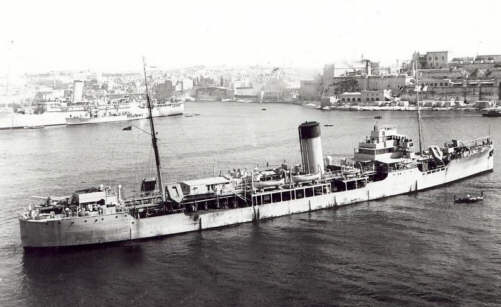
Previous name: Persol
Subsequent name: Alan Clore
Official Number: 140278
Class: 5000T FAST LEAF (ex TEXOL) CLASS Fleet Attendant Tanker
Pennant No: X48. Y7.181, X17
Laid down: 1916
Builder: Sir Raylton Dixon & Co., Middlesborough
Launched: 9 November 1916
Into Service: April 1917
Out of service: 1947
Fate: Sold Commercially
Items of historic interest involving this ship: -
Background Data: All ordered in 1915, the six Admiralty-designed vessels in this Class were very advanced ships for their day. They were designed to act as Escorts on Atlantic Convoys during WW1, whilst also bringing cargoes of oil fuel from the U.S. to Britain. They were fitted with six boilers and four powerful cargo pumps with a pumping rate of 2000 tonnes per hour, which for many years was too high to be used by HM ships. They were originally planned to be named after oil bearing countries with the now usual OL suffix, but their military appearance and naval names caused difficulties with the U.S. Neutrality Act, so various modifications were made and they were then placed under commercial management and given LEAF names in common with other converted ships running as Admiralty tankers under commercial management
15 October 1916 as RFA Persol Engineer Lieutenant Joseph S Harrison RNR appointed as Chief Engineer Officer
9 November 1916 launched by Sir Raylton Dixon & Co Ltd, Middelsbrough as Yard Nr: 608 named PERSOL
27 March 1917 registered in London as Cherryleaf as 68/17 to Lane & Macandrew, London
5 April 1917 Able Seaman H McKibbin discharged insane to the Cleveland Asylum and Greaser A Donachie failed to join the ship and a warrant was issued for his arrest
18 April 1917 when running trials grounded by No: 2 buoy in the River Tees - ballast was discharged and the ship was refloated
20 April 1917 completed at a cost of £266,000. Placed under management of Lane & MacAndrew Ltd., London as an oiler transport and was renamed CHERRYLEAF (1)
23 April 1917 sailed Middlesbrough for Immingham
24 April 1917 arrived at Immingham and anchored in the River Humber off the Bule Light Ship was struck by the Norwegian steamer Echo on No: 72 frame, port bow
29 April 1917 Seaman W Rutherford failed to rejoin the ship, logged as a deserter and his personal effects were landed with the Dock Master at Immingham. Sailed the same day for Port Arthur, Texas
17 May 1917 arrived at Port Arthur, Texas
20 May 1917 at Port Arthur, Texas Greaser J Gallagher arrested by the local Police. Appeared before the Recorder's Court and convicted. Rejoined at ships at Sabine. Court costs etc $18.30 to be paid by the sailor when he signed off.
21 May 1917 sailed from Port Arthur, Texas
8 June 1917 arrived at Dover and discharged cargo
10 June 1917 sailed Dover for Portsmouth
11 June 1917 berthed at Portsmouth
24 June 1917 sailed from Portsmouth for Portland arriving the same day
25 June 1917 sailed Portland for Plymouth arriving the next day
27 June 1917 Captain Phillips appointed as Master and Mr Scott appointed as Chief Engineer Officer
29 June 1917 sailed Plymouth for Port Arthur, Texas
14 July 1917 arrived at Port Arthur, Texas
18 July 1917 sailed from Port Arthur, Texas for Queenstown
3 August 1917 arrived at Queenstown sailing the next day for Plymouth
10 August 1917 sailed from Plymouth for Portsmouth arriving the next day
25 August 1917 was attacked by a submarine in the English Channel - the torpedo missed
15 November 1917 register book entry 354/17 in London - The Crown represented by The Shipping Controller
14 February 1918 joined a convoy from New York to Greenock escorted by HMS DEVONSHIRE
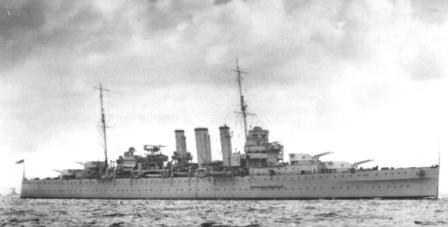
HMS DEVONSHIRE
8 August 1918 at sea enroute for Greenock escorted by HMS ROXBURGH - suffered steering gear failure - repaired
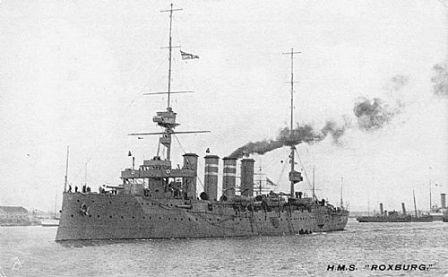
HMS ROXBURGH
14 August 1918 at sea joined convoy between New York and Greenock and escorted by HMS DEVONSHIRE
15 September 1918 at 49.12N 60.10W stopped by HMS ORVIETO and boarded to take despatches
22 November 1918 sailed Glasgow to sea in ballast
1919 to 1921 West Indies Station Oiler, based at Bermuda
27 June 1919 at Bermuda moored alongside HMS CONSTANCE to refuel her. Supplied 490 tons of FFO
4 July 1919 at Bermuda moored alongside HMS CONSTANCE to refuel her. Supplied 123 tons of FFO

HMS CONSTANCE
5 August 1919 at sea Greaser James Petticrew discharged dead - apparent heart failure
8 August 1919 at St. John's Newfoundland alongside HMS DAUNTLESS to refuel her. Supplied 409 tons of FFO
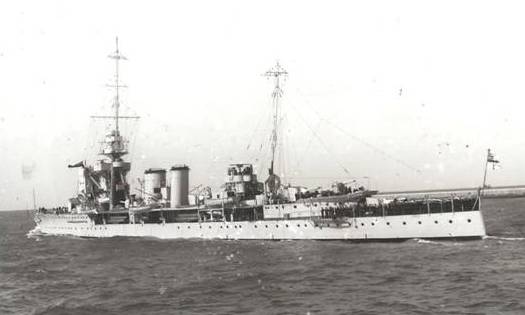
HMS DAUNTLESS
30 September 1919 anchored at Grassy Bay, Bermuda
24 November 1919 at Halifax, Nova Scotia alongside HMS RENOWN to refuel her. Supplied 3,185 tons of FFO
25 November 1919 at Halifax, Nova Scotia alongside HMS CONSTANCE to refuel her. Supplied 432 tons of FFO
29 November 1919 at Halifax, Nova Scotia alongside HMS CONSTANCE to refuel her. Supplied 594 tons of FFO
3 December 1919 anchored at Bermuda
31 January 1920 at Bermuda berthed alongside HMS CALCUTTA and refuelled her
9 March 1920 at Bermuda berthed alongside HMS TEMERAIRE and refuelled her with 745 tons FFO
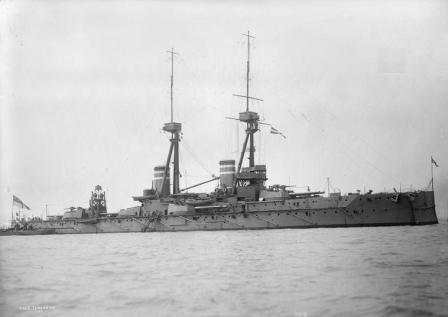
HMS TEMERAIRE
13 April 1920 at Grassy Bay, Bermuda alongside HMS CAMBRIAN to refuel her - supplied 97 tons FFO
30 April 1920 to 7 May 1920 at Bermuda while in refit - a working party from HMS CONSTANCE employed onboard to assist with the refit work
5 May 1920 at Bermuda berthed alongside HMS CALCUTTA and refuelled her
6 May 1920 at Bermuda a working party from HMS CALCUTTA deployed onboard
16 July 1920 and 17 July 1920 at St John's, Newfoundland berthed alongside HMS CALCUTTA and refuelled her with 366 tons of FFO
23 August 1920 sailed from Bermuda for Trinidad
17 September 1920 at Port of Spain, Trinidad berthed alongside HMS RENOWN to refuel her
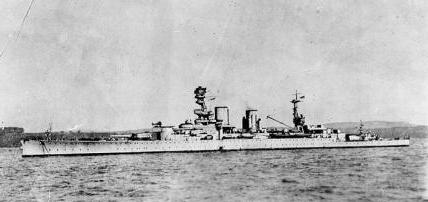
HMS RENOWN
27 September 1920 at Montserrat alongside HMS RENOWN to refuel her
1 October 1920 at Bermuda alongside HMS RENOWN to refuel her
11 October 1920 at Bermuda moored alongside HMS CONSTANCE to refuel her. Supplied 720 tons of FFO
30 October 1920 arrived at Bermuda from Trinidad
1 January 1921 at Bermuda Dockyard the ship's football team played a game against the football team of HMS MUTINE. HMS MUTINE won 5 - 0
5 January 1921 at Bermuda Dockyard the ship's football team played a game against the football team of Royal Marines from HMS MALABAR. RFA CHERRYLEAF (1) won 2 - 1
7 January 1921 sailed Bermuda for Brunswick, Georgia
13 January 1921 sailed Brunswick, Georgia for Portsmouth
26 January 1921 berthed at Portsmouth Harbour
12 February 1921 Captain William L Phillips was Master
2 March 1921 sailed Portsmouth Harbour
6 March 1921 berthed at Gibraltar
8 March 1921 sailed from Gibraltar
1 April 1921 berthed at Portsmouth Harbour sailing to sea the same day
2 April 1921 arrived at Plymouth
6 April 1921 moved up the Tamar to Devonport
16 April 1921 moved out to Plymouth Sound
12 May 1921 some of the ships library was offered for sale or exchange in the Western Morning News of this day when the ship was in Devonport South Dockyard
29 June 1921 arrived at Plymouth Sound - sailed the same day
30 June 1921 berthed at Portsmouth Harbour - sailed the next day
21 September 1921 at Plymouth
10 December 1921 at Plymouth
2 January 1922 berthed at Portsmouth Harbour
3 January 1922 sailed Portsmouth Harbour
13 January 1922 sailed Devonport Dockyard for Falmouth
14 January 1922 berthed at Falmouth
6 February 1922 berthed at Portsmouth Harbour
7 February 1922 sailed Portsmouth Harbour
25 March 1922 arrived at Plymouth from Gibraltar
1922 to 1926 in reserve at Rosyth along with four of her sister ships
30 October 1926 Mr John Atchison RFA appointed as Chief Engineer Officer
10 November 1926 Captain John Ross Gorrie RFA appointed as Master
1926 to 1930 brought out of reserve during the General Strike and was chartered to Anglo Saxon Petroleum Co Ltd, London
12 February 1927 berthed at Shell Haven having sailed from Curacao with 2 passengers and 3 DBS
17 February 1927 about 3pm involved in a collision at Lower Hope Reach, River Thames with the mv Upwey Grange

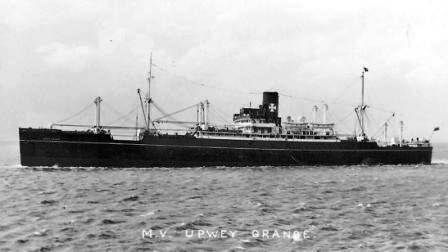
mv Upway Grange
11 May 1927 berthed at Shell Haven having sailed from Tampico with 7 passengers
19 June 1927 at Pitsea Marshes Fireman Samuel John Horrell discharged dead - drowned. He had previously sailed on RFA Brambleleaf (1) in 1920

Fireman Samuel J Horrell
6 August 1927 sailed Chatham
8 September 1927 sailed Las Palmas for Barbados
26 November 1927 berthed at Shell Haven having sailed from Curaçao and Amsterdam with 1 DBS passenger
28 December 1927 at Curaçao Fireman Joseph William Loveridge discharged dead - natural causes
22 February 1928 Captain John Ross Gorrie RFA appointed as Master
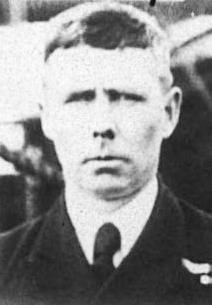
Captain John Ross Gorrie RFA
9 April 1928 berthed at Rouen from Curaçao
19 May 1928 berthed at Hull having sailed from Curaçao with 3 DBS passengers
21 May 1928 Mr Charles E Wrate RFA appointed as Chief Engineer Officer
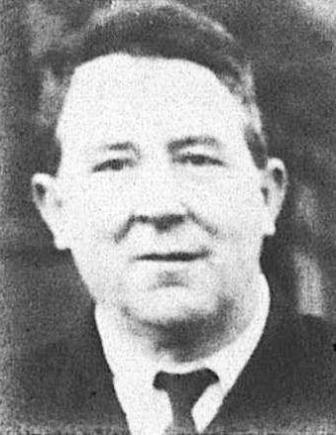
Chief Engineer Officer Charles E Wrate RFA
27 June 1928 berthed at Avonmouth to discharge cargo
7 September 1928 sailed Plymouth for New Orleans
31 October 1928 berthed at Portsmouth Harbour
8 November 1928 sailed from Portsmouth Harbour
13 November 1928 at Flushing
15 November 1928 at Ghent
26 February 1929 arrived at Plymouth from Trinidad
7 April 1929 arrived at Plymouth from Trinidad
30 June 1929 passed the Lloyds Signal Station on the Lizard sailing east bound
18 August 1929 sailed the River Tees for New York
20 August 1929 passed the Lloyds Signal Station on the Lizard sailing west bound
21 November 1929 arrived at Plymouth
3 December 1929 Mr M N Carlyle RFA appointed as Chief Engineer Officer
21 January 1930 sailed Hartlepool
20 February 1930 berthed at Chalmette, Louisianna, USA
7 August 1930 from Puerto Mexico berthed at Portsmouth Harbour
6 September 1930 sailed from Portsmouth Harbour, in ballast, for Sunderland arriving 8 September 1930
11 September 1930 sailed Sunderland
14 September 1930 sailed from Plymouth
26 December 1930 berthed at Portland from Trinidad
1 January 1931 sailed Portland for Trinidad
25 February 1931 berthed at Rosyth
5 May 1931 arrived at Pembroke Dock from Trinidad
7 May 1931 arrived at Plymouth from Pembroke Dock
7 July 1931 called at Plymouth for Captain John H Jones RFA to join the ship and take command as Master. The previous Captain had been landed at the Azores due to ill health
10 July 1931 berthed at Dundee with a cargo of 1,500 tons of bitumen from Trindad
11 July 1931 sailed Dundee for Rosyth in ballast
17 July 1931 arrived Plymouth from Rosyth
21 July 1931 passed the Lloyds Signal Station on the Lizard sailing west
24 August 1931 arrived at Milford Haven
13 October 1931 sailed Plymouth
1931 relieved RFA MONTENOL at Malta as Mediterranean Station Oiler
26 December 1932 at Malta
10 May 1933 Mr George T Beed RFA appointed as Chief Engineer Officer
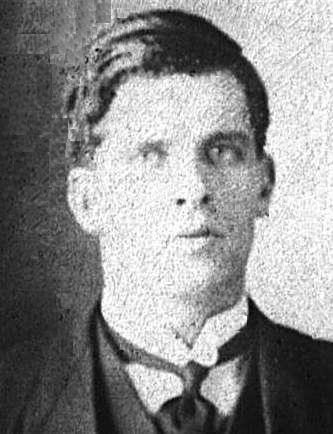
Chief Engineer Officer George T Beed RFA
4 October 1933 Captain Reginald C E Neyroud RFA appointed as Master
1 January 1934 at Malta
10 October 1934 at Malta
4 January 1935 Captain Wm Alfred Wooster RFA appointed as Master
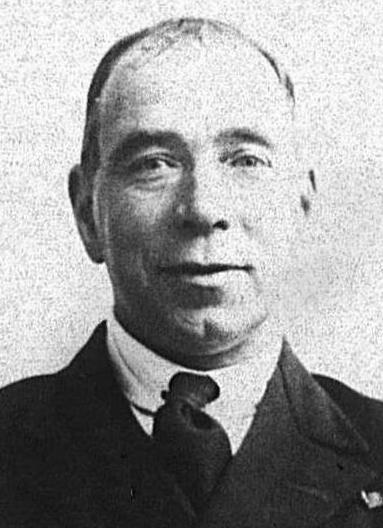
Captain Wm Alfred Wooster RFA
2 August 1935 Mr J A Macintosh RFA appointed as Chief Engineer Officer
18 July 1936 arrived at Malta from Alexandria
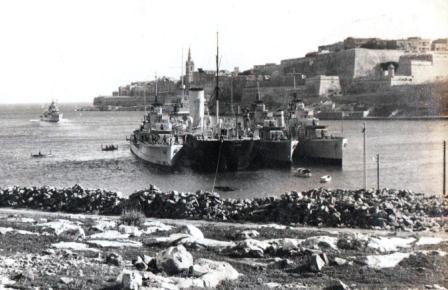
1936 to 1939 undertook Station Oiler duties at Barcelona during the Spanish Civil War
21 January 1937 arrived at Gibraltar from Palma
18 February 1937 sailed Gibraltar on passage to Malaga, Spain
19 February 1937 arrived at Malaga, Spain with provisions mainly intended for children who are among the refugees. The supplies had been send from various relief organisations in Britain.
13 March 1937 at Barcelona during the Spanish Civil War and was in the port when the ship was hit by bomb fragments (on the poop) during a bombing raid by 'insurgent' forces
23 March 1937 arrived at Malta from Gibraltar
7 June 1937 Mr George T Beed RFA appointed as Chief Engineer Officer
25 July 1937 arrived at Gibraltar from Oran in ballast
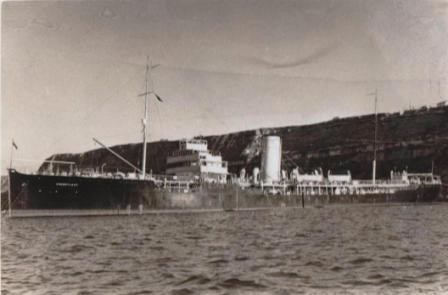
8 August 1937 at Grand Harbour, Malta during the RFA Aquatic Sports the Lifeboat race was won by a crew from RFA BRAMBLELEAF (1), the crew from RFA Cherryleaf (1) were second and the crew from RFA MAINE (3) came third. The aggregate cup was won by RFA RELIANT (1).
26 August 1937 Captain Cecil R Rosen RFA appointed as Master remaining in command until 16 August 1938
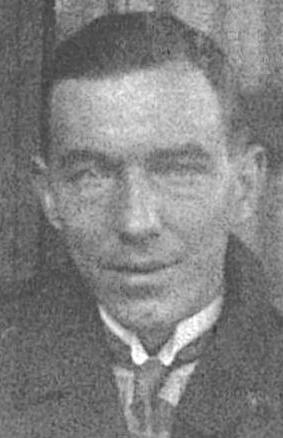
Captain Cecil R Rosen RFA
14 November 1938 Captain Cecil R Rosen RFA appointed as Master remaining in command until 16 December 1938
January 1939 Captain David A Rees RFA appointed as Master
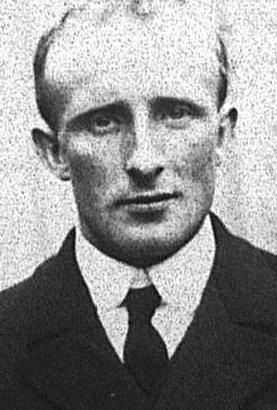
Captain David A Rees RFA
11 July 1939 Mr Robert Pittendrich RFA appointed as Chief Engineer Officer
3 September 1939 at Malta on the outbreak of WW2
3 December 1939 Chief Engineer Officer Robert Pittendrich RFA discharged dead - natural causes. He is buried in Freetown (King Tom) Cemetery in Plot 2, Row A ,Grave 11
10 December 1939 off St. Pauls Rocks at 03°00N 31°00W met HMS HERMES and Force X during the hunt for the Graf Spee
14 December 1939 refuelled HMS NEPTUNE
22 December 1939 Mr George C Dunning RFA appointed as Chief Engineer Officer
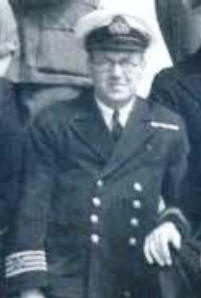
Chief Engineer Officer George C Dunning RFA
3 February 1940 at Freetown alongside HMS EXETER to refuel her
29 February 1940 at Freetown alongside HMS CORNWALL to refuel her
1 March 1940 at Freetown alongside HMS CORNWALL to refuel her
30 March 1940 at Freetown alongside HMS CORNWALL to refuel her
27 April 1940 was damaged at Sierra Leone after HMHS OXFORDSHIRE had dragged her anchor
1 May 1940 sailed Freetown independently to Gibraltar arriving 10 May 1940
11 May 1940 sailed Gibraltar for Malta arriving on 15 May 1940
19 May 1940 sailed Malta for Alexandria, Egypt arriving 22 May 1940
7 August 1940 at Alexandria alongside HMS WARSPITE refuelling her
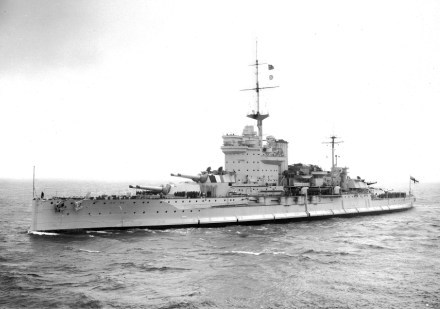
HMS WARSPITE
11 August 1940 at Alexandria alongside HMS WARSPITE refuelling her
3 September 1940 Captain Frederick M Harvey RFA appointed as Master
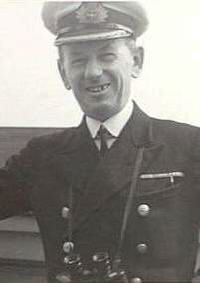
Captain Frederick M Harvey RFA
17 November 1940 at Alexandria, Egypt alongside HMS GLOUCESTER to refuel her
1 December 1940 at Alexandria, Egypt alongside HMS ILLUSTRIOUS to refuel her
9 December 1940 at Alexandria, Egypt with HMAS VENDETTA alongside to refuel
13 December 1940 at Alexandria, Egypt alongside HMS ILLUSTRIOUS to refuel her
17 December 1940 at Alexandria, Egypt with HMAS VENDETTA alongside to refuel
14 February 1941 sailed Alexandria, Egypt for Suda Bay, Crete arriving on 18 February 1941
7 March 1941 at Suda Bay, Crete alongside HMS VALIANT to refuel her
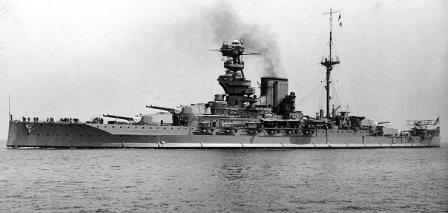
HMS VALIANT
10 March 1941 at Suda Bay, Crete alongside HMS VALIANT to refuel her
28 March 1941 arrived Suda Bay, Crete to load cargo from the damaged Norwegian oiler PERICLES which was acting as a replenishment oiler for Allied warships there
1 April 1941 at Suda Bay, Crete HMAS PERTH alongside to be refuelled
23 April 1941 at Suda Bay, Crete HMAS PERTH alongside to be refuelled
25 April 1941 sailed Suda Bay, Crete escorted by HMAS VOYAGER. Had a party of 12 Australian War Correspondents as passengers. Ship also had four mascots on-board - three dogs and a monkey. Nine crew members left behind who were ashore without permission
27 April 1941 arrived at Alexandria
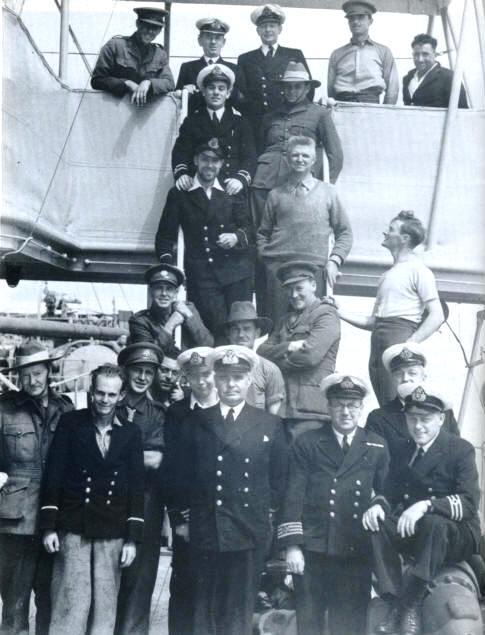
Captain Frederick M Harvey (top row second from left), Chief Engineer Officer George C Dunning (bottom row second from right), Officers and Australian War Correspondents
(Courtesy of Australian War Memorial)
21 May 1941 sailed Alexandria, Egypt under escort of HMS AUCKLAND to refuel destroyers in a position 100 miles north west of Alexandria
22 May 1941 Admiralty directed that Greek destroyer AETOS be provided as escort for RFA CHERRYLEAF and that Greek Destroyer KOS19 be sailed (apparently from Alexandria) to relieve HMS AUCKLAND - source Admiralty War Diary of this date - page 363
24 May 1941 berthed at Alexandria
18 December 1941 the battleship HMS VALIANT was severely damaged at Alexandria in an attack by 3 SLC’s from the Italian submarine SCIRE and had to transfer her fuel oil to the tanker to enable her to enter dry dock for temporary repairs
25 May 1942 Fireman Joseph Antonius Vella discharged dead. He is buried in Alexandria (Hadra) War Memorial Cemetery in grave 1F 21
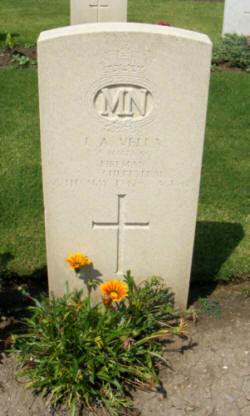
Courtesy and © of The War Graves Photographic Project
6 August 1942 Mr A W Symons RFA appointed as Chief Engineer Officer
22 October 1942 Captain Albert V Barton RFA appointed as Master
21 January 1943 sailed Alexandria in convoy MH3/M to Malta arriving 25 January 1943
11 February 1943 sailed Malta apparently with HMS's KELVIN and PALADIN - source Admiralty War Diary of this day Page 574
5 March 1943 joined convoy MW22 to Malta arriving the next day
12 March 1943 sailed Malta escorted to Tripoli arriving the next day
15 April 1943 was damaged by the corvette HMS GLOXINA
6 June 1943 damaged her propeller on a submerged object
21 June 1943 convoy GTX 3 sailed Gibraltar, along with RFA’s CELEROL, NASPRITE and OLIGARCH (2)
29 June 1943 sailed Tripoli and joined convoy GTX3 to Alexandria arriving 3 July 1943
6 July 1943 underwent DEMS and OAS gear refit at Alexandria
23 August 1943 at Alexandria with HMAS CESSNOCK alongside being refueled
4 October 1943 sailed Alexandria for Limmasol, Cyprus via Port Said and Haifa to establishment an advance fuelling base
November 1943 fitted with additional AA weapons and OAS handling gear for steel hoses
5 November 1943 sailed Haifa for Port Said, Egypt
17 November 1943 sailed Limmasol with naval escorts to Haifa arriving the next day
4 January 1944 sailed Haifa independently to Alexandria arriving 6 January 1944
20 February 1944 undergoing repairs at Alexandria - completed 7 March 1944
26 April 1944 sailed Alexandria independently to Port Said arriving the next day
28 April 1944 sailed Port Said independently to Haifa arriving the next day
7 May 1944 sailed Haifa independently to Morphou Bay arriving the next day
30 June 1944 sailed Famagusta
9 August 1944 sailed Port Said independently to Alexandria arriving the next day
4 December 1944 was at Salonika, Greece
31 December 1944 sailed Saloniika independently to Alexandria arriving 4 January 1945
5 March 1945 Donkeyman Victor Galea discharged dead. He is buried in the Phaleron War Cemetery, Athens, Greece
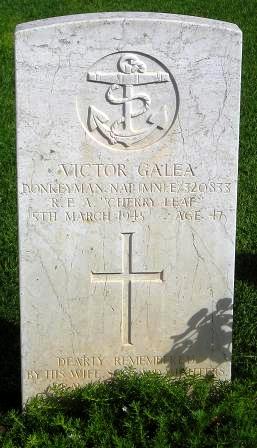
Courtesy and © of The War Graves Photographic Project
18 April 1945 sailed Piraeus independently to Alexandria arriving on 20 April 1945
17 May 1945 undergoing repairs at Alexandria
30 June 1945 sailed Alexandria independently to Port Said arriving 2 July 1945
2 July 1945 sailed Suez independently to Aden arriving 7 July 1945
10 July 1945 sailed Aden independently to Bombay arriving 17 July 1945
20 July 1945 Mr Frederick O Brims RFA appointed as Chief Engineer Officer until 17 August 1946
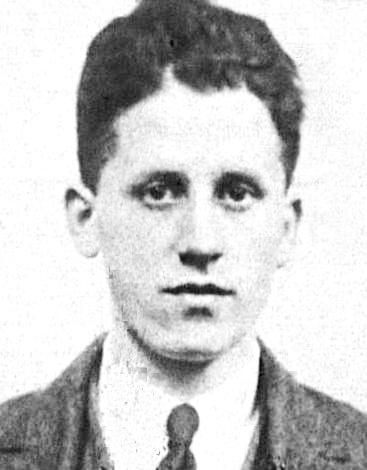
Chief Engineer Officer Frederick O Brims RFA - image taken earlier in his sea going career
1 August 1945 sailed Bombay independently to Colombo arriving 4 August 1945
4 August 1945 sailed Colombo independently to Trincomalee arriving 6 August 1945
About 17 August 1945 sailed Trincomalee with HMIS BENGAL to join Force 155 and 6th Minesweeping Flotilla as part of Operation Jurist
12 February 1946 sailed Colombo to Trincomalee arriving 17 February 1946
3 March 1946 Captain R E Kibble RFA appointed as Master
1 April 1946 at Colombo
October 1946 – Gyro compass equipment – which had been earlier removed from RFA's ABBEYDALE, DERWENTDALE (1) and OLIGARCH (2) and was now set for fitting in the ship and RFA's PEARLEAF (1) and CEDARDALE
21 October 1946 handed over to MoT for disposal
January 1947 sold commercially to British Oil Shipping Co Ltd (Stevenson, Hardy & Co Ltd, Managers) London.
17 January 1947 sailed northbound past the Lloyds Signal Station on Flamborough Head under the tow of the tug Merchantman
15 February 1947 at Hawthorne Leslie on the River Tyne
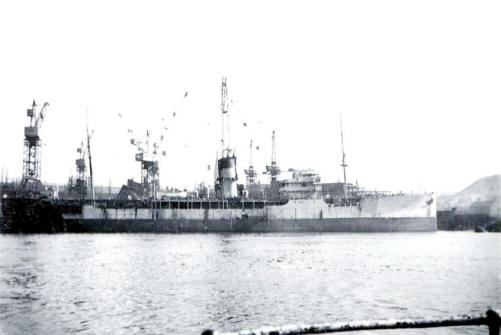
After her sale to commercial interests Cherryleaf, now renamed Alan Clore in refit
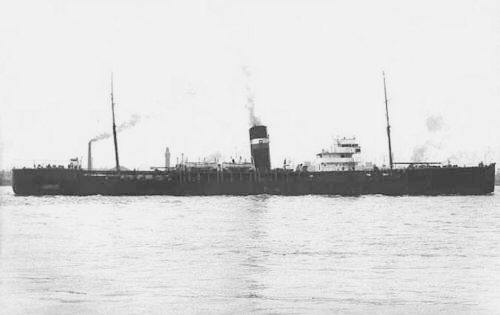
As the tanker Alan Clore
5 May 1947 in refit at Hawthorne Leslie, River Tyne
28 August 1947 after a refit on the Tyne she was renamed ALAN CLORE
11 October 1947 arrived Alexandria from Haifa
18 October 1947 sailed Haifa
19 October 1947 arrived Port Said from Haifa
14 December 1947 arrived at Haifa from Alexandria
25 December 1947 arrived Port Said from Haifa
5 January 1948 arrived at Alexandria from Nefisha, Egypt on the Suez Canal
17 January 1948 arrived at Alexandria
19 January 1948 arrived at Port Said from Alexandria
2 February 1948 arrived Port Said from Alexandria
16 February 1948 sailed Haifa for Port Said
17 February 1948 arrived Port Said from Haifa
9 March 1948 arrived at Nefisha from Haifa
11 August 1948 sailed Istanbul for Varna
November 1948 laid up on the River Fal with serious engine and boiler troubles
20 December 1950 arrived Dalmuir for breaking up by W.H. Arnott Young & Co Ltd
30 January 1951 moved to Troon for rest of breaking up by West of Scotland Shipbreaking Co Ltd.
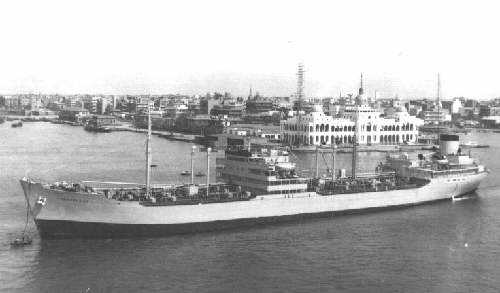
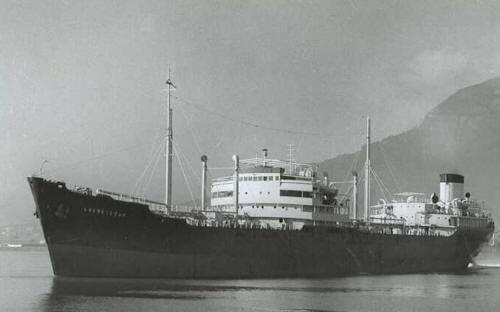
RFA Cherryleaf (2)
Previous name: Laurelwood
Subsequent name: AGIOS CONSTANTINOS, AEAS, IRENES FORTUNE
Official Number: 185988
Class: SECOND LEAF CLASS Support Tanker
Pennant No: A82
Laid down:
Builder: Laing, Deptford Yard
Launched: 28 May 1953
Into Service: 15 May 1959
Out of service: 4 February 1966
Fate: Returned to owners
Items of historic interest involving this ship: -
Background Data: In June 1956 the London Commonwealth Prime Ministers’ Conference discussed Britain’s future naval strategy and the vulnerability of static bases in the face of world-wide change. Consideration was given to the provision of Fleet Trains to supply warships at sea and the Admiralty announced plans to build up a force of such ships. So began a period of major Fleet modernisation with the bareboat chartering of 8 motor tankers for freighting duties that reintroduced the LEAF names to the Fleet. These 8 vessels were all broadly similar and were bare-boat chartered as replacements for the DALEand WAVE Classes. Although primarily intended for freighting duties, most of them were also capable of replenishment at sea
28 May 1953 launched by Sir James Laing & Sons Ltd, Sunderland, as Yard Nr: 800 named LAURELWOOD for Molasses and General Transport Co Ltd, London
19 December 1953 ran trials
28 December 1953 completed
6 October 1954 sailed Suez
25 December 1954 passed Gibraltar sailing east bound
8 January 1955 passed Gibraltar sailing west bound for Coryton
4 August 1955 passed the Lloyds Signal station at Dover sailing west bound
30 October 1955 passed Gibraltar sailing west bound
7 May 1959 Mr Kenneth I J George RFA appointed as Chief Engineer Officer
11 May 1959 Captain William R Parker RFA appointed as Master
15 May 1959 bare-boat chartered by the Admiralty and renamed CHERRYLEAF (2)
16 May 1959 sailed Cardiff on her first voyage to Trinidad
15 November 1959 arrived at Malta from the Persian Gulf
22 December 1959 sailed Malta for the Persian Gulf
11 February 1960 Captain Frank C Holt RFA appointed as Master
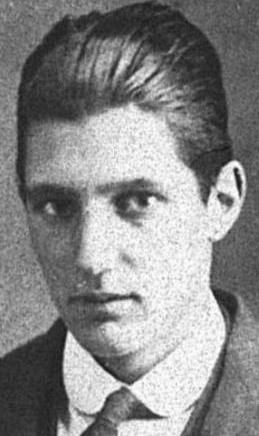
Captain Frank C Holt RFA
29 February 1960 berthed at Malta from the UK
3 June 1960 alongside at Singapore
14 October 1960 Mr Y J Paflin RFA appointed as Chief Engineer Officer
3 June 1960 alongside at Singapore
2 July 1960 arrived at Singapore
26 January 1961 Captain James H Chant RFA appointed as Master
14 December 1961 Captain Robert H Venning RFA appointed as Master
19 August 1962 berthed at Malta from Abadan
21 August 1962 sailed Malta for Bahrein
10 September 1962 Mr John Scott RFA appointed as Chief Engineer Officer
17 November 1962 Captain C N Rennels RFA appointed as Master
31 January 1963 sailed Malta for Ras Tamura
24 October 1963 Captain E D J Evans RFA appointed as Master
26 October 1963 Mr W P Garrick RFA appointed as Chief Engineer Officer
8 December 1963 at Rosyth
23 April 1964 at Malta
21 July 1964 at Singapore
7 August 1964 Captain R J Lockwood RFA appointed as Master
27 November 1964 at Plymouth
28 December 1964 at Bowling
12 January 1965 at Plymouth
4 February 1966 returned to owners and was purchased by Aeas Cia Nav SA, London and renamed Agios Constantinos
1967 renamed Aeas
1972 purchased for $400,000 by Silver Pine Maritime Co Ltd, Famagusta (Tsakos Shipping & Trading S.A., of Athens, Greece, Managers) and renamed Irene's Fortune
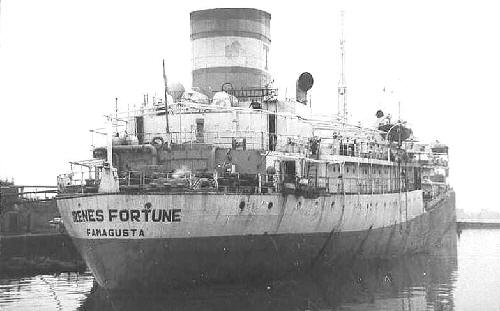
19 August 1974 laid up at Piraeus
13 December 1975 sailed from Piraeus. Greece to the breakers
January 1976 breaking up at Lavrion on the SE coast of Attica, Greece by Haralambos Karydis EPE
RFA Cherryleaf (3)
Reproduced with permission of the MOD
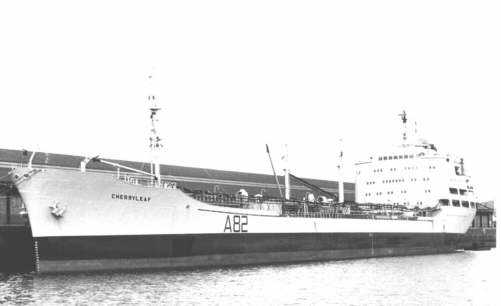
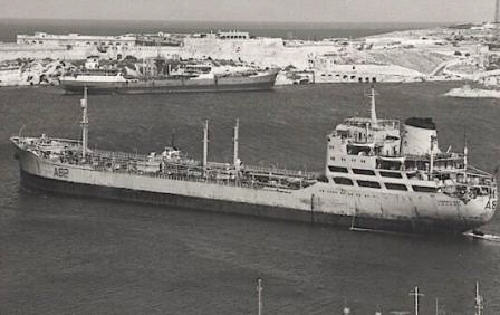
Lower image courtesy of George Morttimer - RFAHS member
Previous name: Overseas Adventurer
Subsequent name: Overseas Adventurer Petrostar XVI
Official Number: 304450
Class: SECOND LEAF CLASS Support Tanker
Pennant No: A82
Laid down:
Builder: Rheinstahl Nordseewerke, Emden
Launched: 16 October 1962
Into Service: 5 March 1973
Out of service: 1980 - returned to owners
Fate: Broken up
Items of historic interest involving this ship: -
Background Data: In June 1956 the London Commonwealth Prime Ministers’ Conference discussed Britain’s future naval strategy and the vulnerability of static bases in the face of world-wide change. Consideration was given to the provision of Fleet Trains to supply warships at sea and the Admiralty announced plans to build up a force of such ships. So began a period of major Fleet modernisation with the initial bareboat chartering of 7 motor tankers for freighting duties that reintroduced the LEAF names to the Fleet. These 7 vessels were all broadly similar and were bareboat chartered as replacements for the DALE and WAVE Classes. Although primarily intended for freighting duties, most of them were also capable of replenishment at sea. An further 8th vessel was chartered in 1973 as a replacement for BAYLEAF(2) and BRAMBLELEAF (2) which had been returned to their owners and as a contingency measure due to the ongoing Beira Patrol, the outbreak of the 2nd Cod War which, together with other Fleet commitments, all required tanker support
16 October 1962 launched by Rheinstahl Nordseewerke, Emden as Yard Nr: 321 named OVERSEAS ADVENTURER for London and Overseas Bulk Carriers Ltd. Her Lady Sposor was a Mrs P.C. Cambridge
February 1963 completed
13 August 1964 at Bonney Trainee Seaman Lanashai Pemabhai Tandel discharged dead - drowned
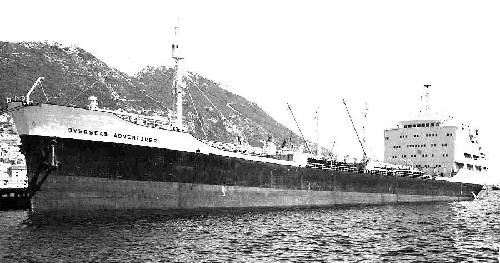
February 1973 bareboat chartered by the Admiralty and renamed RFA CHERRYLEAF(3)
5 March 1973 at Falmouth in dry dock. Taken over by Captain G L Paterson RFA as Master from the owners
9 March 1973 Her Ship’s Badge was officially presented to her
15 March 1973 at Falmouth dry dock flooded up and RFA Cherryleaf (3) floated out to Duchy Jetty
24 March 1973 sailed Falmouth to Spithead and anchored
26 March 1973 sailed from Spithead to Gosport Oil Fuel Jetty
2 April 1973 sailed Gosport Oil Fuel Jetty to Portland and anchored
3 April 1973 sailed Portland to Invergordon
5 April 1973 berthed at Invergordon Oil Fuel Jetty
6 April 1973 through to 8 April 1973 loaded 7,390 tons of FFO and 10,720 tons of Diesol as Cargo
9 April 1973 sailed Invergordon Oil Fuel Jetty
11 April 1973 anchored at Spithead
12 April 1973 berthed alongside Gosport Oil Fuel Jetty and discharged 4,177 tons of FFO cargo ashore
13 April 1973 discharged 10,720 tons of diesol cargo ashore
19 April 1973 sailed Gosport Oil Fuel Jetty
21 April 1973 berthed on Invergordon Oil Fuel Jetty
22 April 1973 loaded 2,750 of FFO cargo
23 April 1973 loaded 12,150 tons of diesol cargo
24 April 1973 sailed Invergordon Oil Fuel Jetty
30 April 1973 berthed at Gibraltar
1 May 1973 discharged 655 tons of FFO cargo and 10,659 tons of Diesol cargo
2 May 1973 at Gibraltar loaded 2,590 tons of FFO as cargo
3 May 1973 sailed Gibraltar
13 May 1973 at 22°00N 59°35W engaged in a pumpover with RFA OLNA (3). During the pumpover the port quarter of RFA CHERRYLEAF (3) came into contact with the starboard quarter of RFA OLNA (3) causing minor damage
16 May 1973 berthed at Curaçao
17 May 1973 loaded 5,416 tons of FFO as cargo
18 May 1973 loaded 10,993 tons of diesol as cargo. Sailed Curaçao for the Panama Canal
22 May 1973 transitted the Panama Canal
23 May 1973 sailed Panama
13 June 1973 arrived and berthed at Kings Wharf, Suva, Fiji
14 June 1973 six stowaways discovered on board. Put ashore. Loaded 360 tons of fresh water. Sailed Fiji
29 June 1973 berthed at No 6 berth stores basin, Sembewang
5 July 1973 sailed Singapore
16 July 1973 verthed Ras Tannurah, South Pier, Bahrein
17 July 1973 loaded 5,515 tons of FFO and 12,513 tons of diesel as cargo. Sailed Ras Tannurah
3 August 1973 berthed at Cape Town - landing wharf - sailed again the next day
17 August 1973 auto pilot defective - rudder stuck hard to starboard - commenced manual steering
21 August 1973 berthed at Gibraltar on No: 22 & 23 berths to discharge cargo
23 August 1973 cold move to the South Mole of the Dockyard
27 August 1973 sailed Gibraltar
12 September 1973 off Cape Town Captain J C Foster RFA took command as Master
20 September 1973 off Mombasa
28 September 1973 berthed at Ras Tannurah on Island Wharf. Loaded 6,199 tons of FFO and 12,839 tons of diesel
30 September 1973 sailed Ras Tannurah
16 October 1973 off Cape Town
27 October 1973 alongside at Freetown berthed at Kissey Quay to discharge part of the cargo
28 October 1973 and 29 October 1973 at anchor off Freetown
3 November 1973 bad scavenge fire in the Engine Room. Fire brought under control
5 November 1973 arrived at Gibraltar and berthed on 22 & 23 berths
6 November 1973 discharging the remainder of the cargo
9 November 1973 at Gibraltar moved from 22 & 23 berths to 48 berth by RFA CONFIDENT. Rear Admiral Hubert W E Hollins, Flag Officer Gibraltar and his wife were entertained to luncheon by the Captain and his Officers onboard
12 November 1973 and 13 November 1973 secured port side to RFA DEWDALE (2) with a pump over from Dewdale supplying 5,784 tons of FFO and 12,096 tons of diesel. Sailed from Gibraltar
17 November 1973 berthed at Gosport Oil Fuel Jetty discharing cargo ashore
19 November 1973 Captain D Campbell RFA appointed as Master
26 November 1973 sailed Gosport Oil Fuel Jetty
16 December 1973 anchored off Cape Town and then sailed
19 December 1973 berthed ship repairers basin, Durban, South Africa
20 December 1973 sailed Durban for passage to Banda Mas'Hur
22 March 1974 at Invergordon
2 April 1974 at Rosyth
March 1976 broke down in the Indian Ocean taken in tow by RFA HEBE to Bombay
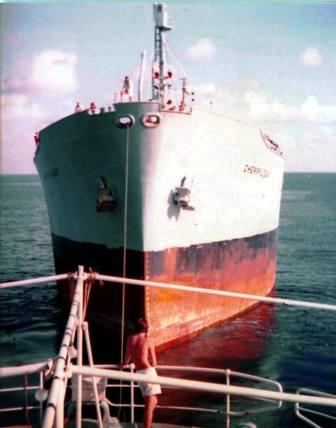
April 1976 at Bombay
July/August 1976 at Birkenhead in refit
24 January 1977 berthed at Rosyth
17 June 1977 at Portland
1 January 1978 berthed at Simonstown Dockyard, South Africa
7 January 1978 sailed from Simonstown Dockyard, South Africa
14 March 1979 with the frigate HMS MOHAWK she stood by off Grenada for the evacuation of British nationals
28 June 1979 to 7 July 1979 with the frigate HMS BRIGHTON she remained covertly near St Lucia due to the unstable situation there during local elections
3 April 1979 Donkeyman/Greaser G J (Dennis) Smale discharged dead - lost overboard
29 August 1979 to 5 September 1979 supported the destroyer HMS FIFE when Hurricanes David and Frederic devastated Barbados and Dominica
1980 returned to her original owner and renamed OVERSEAS ADVENTURER by London & Overseas Bulk Carriers Ltd.
12 August 1981 sold to Petrostar Co Ltd of Saudi Arabia and renamed Petrostar XVI
5 April 1986 was hit by an Iranian helicopter missiles during the Iran-Iraq War about five miles N.E. of Halul Island in the Arabian Gulf while on passage from Bahrain to Sharjah - four of the crew were killed and six were seriously injured. Her accommodation was gutted by fire.
9 April 1986 arrived Sharjah in tow and was declared a constructive total loss and was laid up for disposal
24 January 1987 arrived at Kaohsiung, Taiwan for breaking up by National Ship Demolition Co Ltd.
19 February 1987 demolition begun.