

RFA Oligarch (1)
For details of RFA Oligarch (1) please see the entry for RFA Limeleaf
RFA Oligarch (2)

Previous name: British Lantern
Official Number: 142604
Class: 10,000t OL CLASS Tanker
Pennant No: Y7.286 / X12
Laid down:
Builder: Workman Clark & Co Ltd, Belfast
Launched: 30 June 1918
Into Service: 1 August 1918
Out of service: 14 April 1946
Fate: Scuttled
Items of historic interest involving this ship: -
Background Data: Of the six ships in this Class, two of them were built by HM Dockyards to keep the Dockyards busy after the end of WW1 in accordance with the Colwyn Committee‘s recommendations. Two other similar ships were built for Anglo Saxon Petroleum Co Ltd, London at the same time - MUREX at Portsmouth and NASSA at Devonport - and after producing these two well-built ships, the finances and materials appeared to be short and the two built for the RFA were supposedly built with odds and ends and auxiliaries taken from outmoded warships. With their cheap and second-hand fittings they had some heavy maintenance bills, which they paid for by spending most of their lives on charter. MUREX and NASSA were both broken up at Osaka in 1936
30 June 1918 launched by Workman Clark & Co Ltd, Belfast as Yard Nr 424 named BRITISH LANTERN for the Shipping Controller
1 August 1918 completed and placed under management of British Tanker Co, London. Cost £206,857
29 September 1918 berthed at Avonmouth from Philadelphia with Captain Ernest Loader as Master with one DBS passenger
24 October 1918 entered New York Harbour with Captain Ernest Loader as Master. The ship had sailed from Cardiff with 51 crew
22 November 1918 as British Lantern berthed at Hull from New York
30 December 1918 sailed from Port Arthur for Avonmouth
21 January 1919 arrived at Avonmouth from Port Arthur
29 January 1919 sailed Avonmouth for the United States. In collision with the steamship War Penguin in Barry Roads. Both ships were damaged

ss War Penguin
8 June 1919 sailed the River Tyne for Port Arthur
28 June 1919 arrived New Orleans from the River Tyne
3 July 1919 sailed Port Eads to Shanghai via Colon and Honolulu
10 July 1919 arrived Balboa on passage from New Orleans to Shanghai
27 July 1919 sailed Honolulu for Shanghai
13 August 1919 berthed at Shanghai
3 September 1919 arrived at Baik Papan from Shanghai
16 September 1919 sailed from Singapore for Suez
7 October 1919 arrived at Suez from Singapore
5 November 1919 10.30am involved in a collision with the dock wall in Tilbury Docks
6 December 1919 sailed Gravesend for Port Arthur
4 January 1920 arrived at Port Arthur
25 January 1920 passed Gibraltar
4 April 1920 arrived at Port Said from Gibraltar
28 April 1920 sailed Abadan for Albany, Western Australia
23 May 1920 arrived at Albany, Western Australia
29 May 1920 at Adelaide, Australia engaged in a pumpover with RFA WAR KRISHNA in the harbour
10 June 1920 sailed to Abadan
25 July 1920 sailed Basra after repairs to damage following a collision
11 August 1920 arrived at Suez from Abadan
13 August 1920 sailed Port Said for Portsmouth arriving on 26 August 1920
17 September 1920 sailed Southampton for Port Arthur, Texas
5 October 1920 arrived at Port Arthur, Texas from Southampton
9 October 1920 sailed Port Arthur, Texas for Devonport
28 October 1920 arrived at Greenock from Port Arthur, Texas
2 November 1920 sailed Glasgow for Texas
21 November 1920 berthed at Port Arthur, Texas from Greenock
26 November 1920 sailed Port Arthur, Texas for the River Clyde
20 December 1920 arrived at the Clyde from Port Arthur, Texas
1 January 1921 sailed the Clyde for Port Arthur, Texas
3 January 1921 went to the assistance of the oiler British Vine (ex RFA VINELEAF) which broke down off the Irish Coast while on passage from Thames Haven to Newport News. British Vine helped into Queenstown, Ireland
5 January 1921 sailed Queenstown for Port Arthur, Texas
24 January 1921 berthed at Port Arthur, Texas from the Clyde and Queenstown
28 January 1921 sailed Port Arthur, Texas for Devonport
29 January 1921 signalled the US Navay Communications Service when at 27.40N 90.07W
15 February 1921 arrived at Newport
16 February 1921 passed the Lloyds Signal Station on the Lizard sailing east
23 February 1921 sailed from Hull for Port Arthur, Texas
19 March 1921 sailed from Port arthur, Texas for the Clyde
7 April 1921 arrived the Clyde from Port Arthur, Texas
30 April 1921 arrived at Port Arthur. Texas from the Clyde
1 May 1921 sailed Port Arthur, Texas
7 May 1921 reported by radio to the US Naval Radio Service that she was 100 miles east of Hatteras - source New York Tribune of 8 May 1921
26 May 1921 arrived at the River Tyne
1 June 1921 sailed the River Tyne for Sheerness
5 June 1921 sailed Sheerness for Port Arthur, Texas - source New York Herald of 7 June 1921
18 June 1921 radioed the US Naval Communications Service that she was 60 nmiles east of Key West
21 June 1921 berthed at Port Eads
24 June 1921 sailed New Orleans for London
28 June 1921 at 23.00hrs radioed the US Naval Communications Service that she was 80 nmiles south of Hatteras
12 July 1921 arrived at Sheerness from New Orleans
14 July 1921 sailed Sheerness for Port Arthur, Texas
31 July 1921 radioed the US Naval Communications Service that she was off Sand Key
3 August 1921 berthed at Port Arthur, Texas - source New York Herald of 4 August 1921
6 August 1921 sailed Port Arthur, Texas for Devonport - source New York Herald of 8 August 1921
18 August 1921 radioed the US Naval Communications Service that she had passed Tortugas
29 August 1921 sailed Rosyth for Port Arthur, Texas
13 September 1921 radioed the US Naval Communications Service that she was east of Ambrose
17 September 1921 arrived at Port Arthur, Texas from Rosyth
20 September 1921 sailed from Port Arthur, Texas for Valencia for orders
24 September 1921 radioed the US Naval Communications Service that she was 450 nmiles SW of Hatteras
8 October 1921 while on passage from Port Arthur, Texas to Devonport was in collision 40 miles west of the Bishops Rock with the steamer Arnaldo Da Brescia which was on passage from Genoa

Arnaldo Da Brescia
The Arnaldo Da Brescia arrived at Cardiff on 10 October 1921 for dry docking and extensive repairs. RFA BRITISH LANTERN was damaged on her starboard side. She signalled that her tanks were leaking. She anchored in Whitesands Bay and RFA TREFOIL sailed from Devonport, berthed alongside BRITISH LANTERN and took off 1,000 tons of FFO to lighten the tanker
25 October 1921 arrived at Palmers, Hebburn on Tyne for repairs from Plymouth
18 November 1921 sailed Sheerness for Abadan
2 December 1921 arrived at Port Said
3 December 1921 sailed Suez for Abadan
31 December 1921 arrived at Aden from Abadan
5 January 1922 arrived Suez from Abadan
10 March 1922 arrived Devonport
3 April 1922 sailed from Devonport
21 April 1922 sailed from Portland for Port Arthur, Texas
18 May 1922 sailed Port Arthur, Texas for LEFO
14 June 1922 passed Dungeness
18 June 1922 passed Gibraltar
21 June 1922 sailed Port Said
1 July 1922 passed Perim when on passage from Killingholme to Abadan
28 July 1922 arrived Suez from Abadan
29 July 1922 sailed Port Said
8 August 1922 passed Gibraltar
14 August 1922 arrived at Plymouth from Abadan
5 September 1922 sailed Devonport
9 September 1922 passed Gibraltar when on passage from Devonport to Malta
18 September 1922 arrived Port Said from Malta
19 October 1922 sailed Port Said when on passage from Abadan to Mudros
22 October 1922 at Mudros
21 February 1923 at Mudros
20 April 1923 at Abadan
13 July 1923 at 28°10N 50°45E Pumpman Alfred Edgecombe discharged dead - natural causes - buried at sea
22 August 1923 to the 25 August 1923 berthed at the Oil Wharf, Kepple Harbour, Singapore
27 August 1923 sailed Singapore for Abadan
13 September 1923 at Abadan
11 October 1923 sailed Port Said for Malta
18 October 1923 sailed Malta
21 November 1923 the Admiralty Fuel & Stores Officer at Singapore advertised in the local press -

13 December 1923 arrived at Table Bay from Abadan
22 December 1923 at Cape Town alongside HMS REPULSE refuelling her
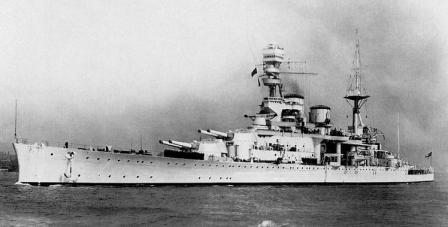
HMS REPULSE
24 December 1923 0900hrs alongside HMS HOOD at Cape Town to refuel her. Cast off at 1600hrs on account of swell having transferred 1,890 tons of FFO
27 December 1923 sailed Cape Town
3 January 1924 sailed Simonstown for Bombay
10 June 1924 berthed at Portsmouth Harbour
15 June 1924 sailed from Portsmouth Harbour
13 August 1924 passed the Lloyds Signal Station on the Lizard sailing east
10 November 1924 to the 15 November 1924 berthed at the Oil Wharf, Kepple Harbour, Singapore
16 November 1924 sailed Singapore for Abadan
5 December 1924 sailed Abadan
22 December 1924 arrived at Singapore from Abadan
23 December 1924 and 24 December 1924 berthed at the Oil Wharf, Kepple Harbour, Singapore
20 January 1925 sailed Abadan
2 February 1925 arrived Suez from Abadan
11 February 1925 sailed Gibraltar
1 March 1925 sailed Curaçao
16 March 1925 passed the Lloyds Signal Station on the Lizard sailing east
25 June 1925 arrived at Glasgow
2 July 1925 sailed from Glasgow
18 July 1925 passed Perim
15 August 1925 sailed Port Said
6 April 1926 sailed from Grangemouth for Abadan
25 December 1926 radioed she was 15 miles NW of Lands End when on passage to Trinidad
21 March 1927 sailed New York for Curaçao
6 July 1927 sailed Tocopilla for San Pedro
16 November 1927 sailed River Tees for Oakland via the Panama Canal
2 December 1927 sailed Colon for San Francisco
16 November 1928 berthed at Avonmouth from Curacao with one DBS as a passenger. Captain James H Sloan was Master
28 November 1928 grounded at Bruges, Belgium
30 November 1928 the Scotsman newspaper reported thus -

24 April 1929 arrived at Glasgow from Trinidad
28 February 1930 while on passage from Tampico to Flushing put into Plymouth this day to effect repairs to the steering
13 March 1930 arrived at New Orleans
20 March 1930 arrived Tampico from New Orleans
7 June 1930 sailed Abadan
23 June 1930 arrived at Suez from Abadan
24 June 1930 arrived Port Said
6 July 1930 passed Ushant
9 July 1930 arrived at Grangemouth
14 July 1930 passed Beachy Head sailing west
30 July 1930 arrived at Suez
10 November 1930 sailed Aden for Abadan
18 December 1930 berthed at Portsmouth Harbour to be laid up until June 1931
28 February 1931 berthed at No: 3 Basin, Portsmouth Dockyard with RFA KIMMEROL
6 March 1931 berthed at No: 3 Basin, Portsmouth Dockyard with RFA PETRONEL and NAV ISLEFORD
1 April 1931 berthed at Portsmouth
12 June 1931 in No: 13 Dock at Portsmouth Harbour
27 June 1931 berthed in No 3 Basin, Portsmouth Harbour together with RFA APPLELEAF (1)
June 1931 was in collision with ss Bianca - this fact was used by a Norwegian Insurance Agent named Ragnvald Dahl Prag to defraud a number of Norwgian Underwriters of £8,500 - he appeared at the Mansion House Justices Room charged with a number of counts of fraudulent conversion
4 July 1931 sailed from Portsmouth Harbour
22 August 1931 at Port Arthur, Texas
27 December 1931 at Santa Cruz de Tenerife in Hospital Able Seaman George Joseph O'Halloran discharged dead from a fracture skull
4 May 1932 sailed Malta for Abadan
10 June 1932 berthed at Portsmouth Harbour
29 June 1932 sailed from Portsmouth Harbour
30 June 1932 at Sheerness
17 January 1933 sailed the River Wear to Swansea
14 March 1933 sailed Abadan for Singapore
5 May 1933 at Abadan
3 June 1933 passed Gibraltar
12 June 1933 berthed at Portsmouth Harbour
13 June 1933 berthed on Gosport Oil Jetty before sailing from Portsmouth Harbour
12 July 1933 passed Perim for Abadan
9 August 1933 sailed Port Said for Portsmouth Harbour
23 August 1933 berthed at Portsmouth Harbour
25 September 1933 at Portsmouth Harbour in Dock No: 15
3 October 1933 sailed from Portsmouth Harbour
2 December 1933 when on passage to Invergordon was 100 miles SW of Niton which she contacted by radio
4 December 1933 passed th Lloyds Signal Station on Flamborough Head sailing north
14 May 1934 passed the Lloyds Signal Station on the Lizard sailing west bound for Aruba
5 August 1934 sailed from Port Said for Devonport1
3 August 1934 passed Gibraltar sailing west bound
21 October 1934 arrived at Abadan from Port Said
22 February 1935 in the Bay of Biscay together with RFA WAR PATHAN and Spanish steamer Galea rescued the entire crew of the Italian steamer Taide
28 March 1935 arrived at Abadan from Donges
29 April 1935 berthed at Portsmouth Harbour
30 April 1935 sailed from Portsmouth Harbour
3 May 1935 sailed Devonport
27 May 1935 at La Libertad
12 July 1935 sailed Falmouth for Curaçao
2 September 1935 at Port Said
15 June 1936 in dock at Sunderland
16 September 1936 berthed at Abardan from Portland
12 October 1936 berthed at Simonstown Dockyard, South Africa
15 October 1936 sailed Simonstown for Abadan
7 November 1936 sailed Abadan for Gibraltar
21 February 1937 arrived at Abadan
23 February 1937 sailed Abadan for Malta
10 April 1937 sailed Abadan for Malta
26 May 1937 arrived at Abadan from Malta
23 June 1937 berthed at Gibraltar from Abadan and Port Said to discharge part of her cargo which had been loaded for Gibraltar and Portsmouth
30 June 1937 berthed at Portsmouth Harbour
1 July 1937 sailed from Portsmouth Harbour
4 July 1937 transferred to Admiralty management and manning as an RFA renamed OLIGARCH(2) at Wallsend
6 July 1937 Mr Leonard H Taylor RFA appointed as Chief Engineer Officer

Chief Engineer Officer Leonard H Taylor RFA
13 July 1937 certificate of Registry endorsed with her new name
July 1937 fitted for defensive armament by Swan Hunter and Wigham Richardson on the Tyne
2 April 1938 berthed at Gibraltar while on passage from Malta to Trinidad in ballast
5 May 1938 berthed at Gibraltar from Trinidad to discharge cargo
1 July 1938 Captain Harry M Sinclair RFA appointed as Master
2 July 1938 berthed at Swan Hunters (Hebburn), River Tyne for repairs or refit
18 July 1938 to 27 July 1938 towed m.v. GYRO from Devonport to Malta
19 April 1939 in collision with HMT SOMERSETSHIRE at Gibraltar

HMT SOMERSETSHIRE
3 September 1939 at Portsmouth on the outbreak of WW2
19 September 1939 sailed Southend in convoy OA7 along with RFA OLYNTHUS (1) until it dispersed on 22 September 1939
2 October 1939 at Freetown HMS CUMBERLAND berthed alomgside to refuel

HMS CUMBERLAND
19 October 1939 sailed Lagos independently to Freetown arriving on 25 October of that year
26 October 1939 sailed Freetown independently for Jamestown, St Helena
4 November 1939 sailed Jamestown, St. Helena independently to Trinidad arriving on 20 November
1 December 1939 sailed Trinidad independently
20 December 1939 sailed Freetown independently arriving Trinidad on 2 January 1940
4 January 1940 having loaded sailed Trinidad independently to Halifax arriving 16 January 1940
18 January 1940 sailed Halifax independently to Scapa Flow arriving 1 February 1940
10 February 1940 sailed Scapa Flow independently to Greenock arriving two days later
27 February 1940 Mr Clifford N Ansell RFA appointed as Chief Engineer Officer
11 March 1940 sailed Glasgow to Scapa Flow arriving on 16 March - sailed under sealed orders
24 March 1940 sailed the Clyde to Liverpool and then in convoy OB116 until dispersed arriving at Trinidad on 11 April1940
17 April 1940 sailed Trinidad independently to Halifax arriving on 27th - ten days later
30 April 1940 sailed Halifax in convoy HX 39 with a cargo of FFO arriving at Liverpool on 14 May 1940 - ship detached to Scapa Flow
19 May 1940 sailed Liverpool independently arriving at the Clyde the next day
28 May 1940 sailed Greenock in convoy NS4 arriving at Scapa Flow on 14 June 1940
3 June 1940 arrived at Harstad with other shipping under RN escort
29 June 1940 sailed Scapa Flow to Reykjavik arriving on 1 July 1940
12 August 1940 Captain William W Peddle RFA appointed as Master
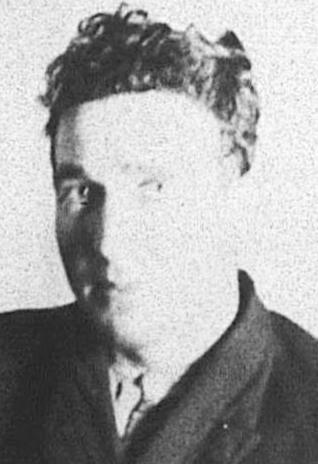
Captain William W Peddle RFA
7 September 1940 sent by NOIC Iceland to Reydarfiord loaded with petrol and bombs escorted by the Norwegian Patrol Vessel Honnigsvaag - Admiralty War Diary
1 December 1940 sailed Reykjavi arriving the Clyde on 7 December 1940
19 April 1941 allocated for Fleet Attendant duties in Norwegian Waters along with RFA ALDERSDALE
29 May 1941 at Loch Ewe with HMAS NESTOR alongside being refuelled
15 July 1941 sailed Oban in Convoy WN 153 along with RFA BLUE RANGER to Methil arriving on 18 July 1941
24 July 1941 sailed Scapa Flow for Seidisfjord, on the east coast of Iceland, escorted by the destroyer HMS GARLAND
27 July 1941 to 7 August 1941 sailed Seidisfjord to take part in Operation FB - supporting Force A which destroyed facilities on Spitzbergen - along with RFA WAR SUDRA
31 July 1941 refuelled Force A
1 August 1941 refuelled Force A
3 August 1941 was detached to Seidisfjord with the destroyer HMS GARLAND and the anti-submarine trawler HMS SEALYHAM
8 August 1941 arrived Seidisfjord
9 August 1941 at Seidisfjord Captain Peddle discharged ashore through sickness. The command of the ship was taken over by Chief Officer William H G Hine RFA - source TNA - BT381/162
19 August 1941 sailed Scapa Flow and took part in Operation Gauntlet and refuelled the troopship EMPRESS OF CANADA, HM cruisers NIGERIA and AURORA and HM destroyers ANTHONY, ANTELOPE and ICARUS at Barentsburg where the embarked Canadian troops wrecked the coal mines
24 August 1941 to 27 August 1941 supported the evacuation of 2000 Soviet miners from Spitzbergen escorted by the anti-submarine trawlers HM ships ELM and HAZEL
1 September 1941 arrived Sveagruva in company with the anti-submarine trawlers HMS HAZEL and the Belgian VAN OOST
3 September 1941 sailed Sveagruva
5 September 1941 RASed with HMS Nigeria and HMS AURORA at Seidisfjord, Norway
14 September 1941 the Group arrived Reykjavik in company with the destroyer HMS ESCAPADE following Operations EGV 1 & 2 - the air attacks on Northern Norway. The ship was carrying 100 tons of Norwegian and Russian property. The C in C Home Fleet directed this should be off loaded in Iceland with a careful check of the inventory - details from the Admiralty War Diary
1 October 1941 Captain Albert V Barton RFA appointed as Master
15 January 1942 damaged by the British Hain Steamship Co Ltd - ss. TREHATA whilst at anchor in Seidisfjord

ss Trehata
12 March 1942 damaged when going alongside RFA ALDERSDALE
20 March 1942 sailed on Russian Convoy PQ 13 as escort oiler - as Force 'Q' - escorted by HMS LAMBERTON
23 May 1942 at Seidisfjord, Iceland alongside USS Rhind (DD404) and USS Wainwright (DD419) to refuel them
24 May 1942 at Seidisfjord, Iceland alongside USS Mayrant (DD402) to refuel her
30 June 1942 at Seidisfjord, Iceland alongside USS Tuscaloosa (CA37) to refuel to refuel her. Also alongside USS Rhind (DD404) to refuel her
7 July 1942 at Seidisfjord, Iceland alongside USS Rhind (DD404)
1 August 1942 under repair on the Clyde - repairs completed by 25 August 1942
5 August 1942 Mr Charles A Smith RFA appointed as Chief Engineer Officer
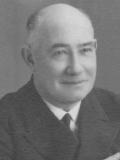
Chief Engineer Officer Charles A Smith RFA
11 August 1942 Captain Thomas Elder DSC RFA appointed as Master
28 August 1942 sailed Old Kilpatrick for Scapa Flow arriving 31 August 1942
2 September 1942 sailed Scapa Flow to form Force P as part of Convoy PQ18 along with RFA BLUE RANGER and a 4-destroyer escort and preceeded the Convoy to Lowe Sound, Spitzbergen to act as an advanced fuelling facility for the escorting destroyers.
9 September 1942 with RFA BLUE RANGER and RN escorts detached to form Force 'P' to establish a destroyer fuelling base at Lowe Sound, Spitzbergen for those used as escorts on the Russian convoys
12 September 1942 anchored in Axelfjord, Spitzbergen along with RFA BLUE RANGER and refuelled the escorts to Convoy PQ 18 consisting of the destroyers HM ships INTREPID, MARNE, MARTIN, METEOR, MILNE and SCYLLA
13 September 1942 sailed as part of Convoy QP14 along with RFA’s BLACK RANGER and GRAY RANGER from Archangel arriving at Loch Ewe on 26 September 1942
22 September 1942 at 0700hrs at 71ºN 11ºW Fireman E Dennier deliberately left his duties in the stoke hold during a torpedo attack on the Convoy and when ordered back to his post by the Chief Engineer Officer he refused. On being brought before the Master he admitted that his nerves failed him. The Master advised the Fireman that his actions would be placed before the proper authority on reaching port for necessary action. The Master entered in the ships log that he considered the Fireman was unfit for sea going duties. The report was read over to the Fireman who had nothing to say
28 October 1942 damaged when going alongside the MoWT tanker m.v. SAINTONGE

MoWT tanker m.v. SAINTONGE
7 November 1942 sailed Loch Ewe in convoy WN358 to Leith arriving 9 November 1942
1 December 1942 to 10 December 1942 in Leith Docks, Edinburgh for repairs
12 December 1942 sailed Rosyth in convoy EN172/2 to Loch Ewe arriving 14 December 1942
15 December 1942 sailed on Russian Convoy JW51A from Loch Ewe and arrived Kola Inlet on 25 December 1942 - the Convoy consisted of 16 merchantmen
30 December 1942 sailed on Russian Convoy RA51 from Kola Inlet and arrived at the Loch Ewe on the 11 January 1943 - the convoy consisting of 14 merchantmen
8 January 1943 arrived at Akureyri, Iceland to load cargo from the RN oil fuel depot
11 January 1943 sailed Akureyri, Iceland for Hvalfjordur, Iceland
12 January 1943 sailed Hvalfjordur, Iceland for Loch Ewe arriving 15 January 1943
17 January 1943 sailed on Russian Convoy JW52 from Loch Ewe and arrived at Kola Inlet on 27 January 1943. The Convoy consisted of 15 merchantmen
February 1943 in collision with RFA WAR AFRIDI
1 March 1943 sailed Kola Inlet in convoy RA53 to Seidisfjord arriving on 14 March 1943
19 March 1943 sailed Loch Ewe in Convoy WN 405 to Methil arriving 21 March 1943
21 March 1943 sailed Methil in convoy FS1069 to Southend arriving 23 March 1943
24 March 1943 C in C Mediterranean requested that RFA's OLIGARCH and CEDARDALE should carry as part of Force R ammunition and depth charges to issue to destroyers in Force H due to limited stowage capacity. C in C Levant was requested to supply RFA CEDARDALE and the Admiralty to arrange supply to RFA OLIGARCH - Source Signal reported in Admiralty War Diary of this date on page 278
28 March 1943 at North Shields, River Tyne
8 April 1943 under going repairs on the Tyne - repairs completed 22 April 1943
20 May 1943 in Operation Husky - Naval Operation Orders dated this day - Appendix 1 - shows OLIGARCH would be initially based at Tobruk together with RFA CEDARDALE to provide Furnace Fuel Oil as part of Force "R"
24 May 1943 as Force "R" carried depth charges and ammunition resupply the destroyers of Force H
27 May 1943 collided with the pier at Tyne Dock and was slightly damaged. The wooden pier was severely damaged and a dredger lighter was sunk. The 2nd Engineer’s proficiency allowance was suspended for 12 months. Repairs carried out by Smith’s Dock Co Ltd, North Shields during which the ship had permanent disguise features added. These included the fitting of a dummy funnel amidships to give her the appearance of a dry cargo vessel
30 May 1943 sailed Methil in Convoy EN 236 to Loch Ewe arriving 1 June 1943
4 June 1943 joined Convoy OS49 which had sailed Liverpool the same day
5 June 1943 the Director of Stores signalled the FOIC Tyne requesting details by letter of explosives and other dangerous cargo loaded onto the ship and confirmation that the Ministry of War Transport's representative concurred in the stowage arrangements had been obtained - details from the Admiralty War Diary
8 and 11 June 1943 RAS'ed the B3 Ocean Escort Group which were escorting Convoys OS49 and KMS16. HMS SALVEDA (to become RFA SALVEDA) was in the same convoy
13 June 1943 Convoy OS49 split
15 June 1943 arrived at Gibraltar
22 June 1943 sailed Gibraltar in convoy GTX3 along with RFA's CELEROL, CHERRYLEAF (1) and NASPRITE in the same convoy
28 June 1943 the C in C Mediterrean issued the following signal concerning RFA's being used to carry explosives - see the entry dated 5 June 1943 above: -

details from the Admiralty War Diary of this date
30 June 1943 torpedoed and slightly damaged by German Submarine U-453 (Kapitänleutnant Freiherr Egon Reiner von Schlippenbach) at 32°57N, 21°10E while in convoy GTX 3 - arrived in Tobruk under her own power where she was used in the harbour to fuel destroyers
21 August 1943 sailed Tobruk and joined convoy UGS 13 arriving at Alexandria the following day. RFA CEDARDALE sailed in the same convoy
9 September 1943 repaired at Alexandria
27 March 1944 in collision with the Norwegian tanker VIVI at Alexandria
15 February 1945 at the Outer Harbour, Alexandria with USS Frankford (DD497) and USS Baldwin (DD624) alongside
3 January 1946 in port at Alexandria
15 February 1946 sailed Alexandria for Port Said arriving on 24 February 1946 (sailed at only 4 kts)
25 February 1946 sailed Port Said
13 April 1946 at Suez and sailed under tow
14 April 1946 scuttled at the southern end of the Red Sea loaded with obsolete ammunition at 27°30N, 34°45E
October 1946 – Gyro compass equipment – which had been earlier removed from the ship and RFA's ABBEYDALE and DERWENTDALE (1) and was now set for fitting in RFA's CHERRYLEAF (1), PEARLEAF (1) and CEDARDALE
Notes:
.
1. The PQ nomenclature for Arctic Convoys was derived from the initials of Commander Phillip Quellyn Roberts, a Planning Officer in the Admiralty