

Previous name: British Beacon
Subsequent name:
Official Number: 142670
Class: 10,000t OL CLASS Tanker
Pennant No: Y7.304 / X18
Laid down:
Builder: Workman Clark & Co Ltd, Belfast
Launched: 9 September 1918
Into Service: 9 October 1918
Out of service: April 1953
Fate: Broken up
Items of historic interest involving this ship: -
Background Data: Of the six ships in this Class, two of them were built by HM Dockyards to keep the Dockyards busy after the end of WW1 in accordance with the Colwyn Committee‘s recommendations. Two other similar ships were built for Anglo Saxon Petroleum Co Ltd, London at the same time - MUREX at Portsmouth and NASSA at Devonport - and after producing these two well-built ships, the finances and materials appeared to be short and the two built for the RFA were supposedly built with odds and ends and auxiliaries taken from outmoded warships. With their cheap and second-hand fittings they had some heavy maintenance bills, which they paid for by spending most of their lives on charter. MUREX and NASSA were both broken up at Osaka in 1936
9 September 1918 launched by Workman Clark & Co Ltd, Belfast as Yard Nr: 425 named BRITISH BEACON for the Shipping Controller
9 October 1918 completed and placed under management of British Tanker Co, London. Cost £246,108
6 December 1918 arrived at Thames Haven from Philadelphia
1919 transferred to Admiralty ownership but remained under commercial management
12 January 1919 sailed Philadelphia for Falmouth
23 February 1919 arrived at Philadelphia from Falmouth
27 February 1919 sailed Philadelphia for Falmouth
16 March 1919 berthed at Hull after arriving from Philadelphia
10 June 1919 arrived at Philadelphia from London
3 August 1919 berthed at Rangoon from Philadelphia via Alexandria
13 August 1919 sailed Rangoon for Suez
17 August 1919 sailed Colombo for Suez
2 September 1919 at Suez
4 October 1919 sailed London for Port Arthur
6 October 1919 at Stokes Bay, Gosport with an engine defect
31 October 1919 arrived at Port Arthur, Texas from London
2 November 1919 sailed from Port Arthur, Texas for Falmouth
6 December 1919 arrived at Thames Haven
4 March 1920 passed Sand Key, Florida
8 March 1920 berthed at Port Arthur, Texas from the River Tyne
12 March 1920 sailed Port Arthur, Texas for Devonport
19 April 1920 berthed at Port Eads from Devonport. RFA WAR HINDOO berthed at the same port on the same day but from Portsmouth
31 April 1920 arrived at Sheerness from Port Arthur
4 May 1920 arrived New Orleans from Port Victoria
18 May 1920 sailed New Orleans for Devonport
7 June 1920 arrived at Glasgow from New Orleans
6 July 1920 sailed Belfast Lough for Tampico
18 August 1920 berthed at Portsmouth Harbour after arriving from Tampico
3 September 1920 sailed Portsmouth Harbour
4 October 1920 arrived at Bermuda from Tampico
19 November 1920 berthed at Killingholme
23 November 1920 at Hull Seaman Richard Star of Hull appeared before the Magistrates' Court charged with desertion - he was fined £5 or 30 days imprisonment
19 December 1920 arrived at Port Arthur, Texas from Hull
23 December 1920 sailed Port Arthur, Texas for the Clyde
8 March 1921 arrived at Invergordon from Port Arthur
12 March 1921 sailed Invergordon for Newcastle on Tyne
15 April 1921 sailed Port Arthur, Texas to the Clyde
2 May 1921 arrived at the Clyde from Port Arthur
9 May 1921 sailed Glasgow for Port Arthur
2 June 1921 radioed US Naval Radio Station she was 10 miles NE of St Augustine
17 June 1921 while on passage for Sheerness passed Dover
22 June 1921 arrived at Sheerness from Abadan via Gibraltar
4 July 1921 arrived at Port Said when on passage from Sheerness for Abadan
17 August 1921 arrived at Port Said from Saint Marc for Alexandria
15 September 1921 arrived at Suez from Abadan
18 September 1921 sailed Port Said for Malta
3 October 1921 arrived Port Said from Malta
31 October 1921 arrived at Suez
7 November 1921 damaged the battle cruiser HMS RENOWN at Suez
12 November 1921 sailed Suez for Abadan
13 December 1921 arrived at Suez from Abadan
31 December 1921 at Avonmouth awaiting dry docking
11 January 1922 still at Avonmouth undergoing repairs
1 February 1922 berthed at Portsmouth Harbour from Avonmouth
4 February 1922 sailed Portsmouth Harbour for Abadan
25 May 1922 arrived at Plymouth from Hull
15 June 1922 passed Gibraltar when on passage from Plymouth to Abadan
25 June 1922 passed Perim when on passage to Abadan
23 July 1922 sailed Port Said when on passage from Abadan for Devonport
13 August 1922 arrived at Port Said from Gibraltar when on passage to Abadan
8 September 1922 passed Perim when on passage from Abadan to Devonport
17 October 1922 passed Perim when on passage from Thameshaven to Abadan
13 November 1922 sailed Port Said for Malta and the UK
28 November 1922 arrived Plymouth from Abadan
30 December 1922 sailed Plymouth for Abadan
3 January 1923 when on passage from Plymouth for Abadan passed Gibraltar this day
11 January 1923 arrived Port Said
24 January 1923 arrived at Abadan from Plymouth
16 February 1923 arrived Suez from Abadan
25 March 1923 sailed Port Said for Gibraltar
17 August 1923 called at Aden from Port Said
28 August 1923 arrived at Abadan from Alexandria
27 September 1923 sailed Abadan for Port Said
7 October 1923 passed Perim
6 November 1923 berthed at Singapore from Abadan
21 November 1923 the Admiralty Fuel & Stores Officer published in the Straits Times, Singapore -

22 December 1923 sailed from the Oil Wharf, Singapore
30 December 1923 at Bombay
27 February 1924 sailed Abadan for Sydney, NSW
5 March 1924 sailed Colombo, Ceylon
27 March 1924 berthed Sydney, NSW moored to the Admiralty buoys off Garden Island
9 April 1924 while still moored to the Admiralty buoys (above) HMS DUNEDIN and HMS DRAGON berthed alongside her to be refuelled
11 April 1924 at Sydney, NSW alongside HMS REPULSE to refuel her
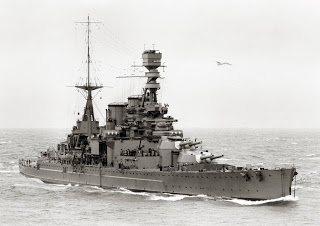
HMS REPULSE
12 April at Sydney, NSW alongside HMS HOOD to refuel her with 2,894 tons of FFO. Cast off at 1930hrs to No: 18 buoy
25 April 1924 sailed Sydney, NSW to Balik Papan, Borneo to load
14 May 1924 sailed Tarakan for Vancouver, BC, Canada
28 June 1924 at Vancouver, BC, Canada alongside HMS REPULSE to refuel her
9 July 1924 at San Francisco, USA alongside HMS REPULSE to refuel her
4 November 1924 at Ross Memorial Hospital, Dingwall Greaser William Arthur Evans discharged dead with a skull injury
24 November 1924 sailed Trinidad for the Falkland Islands
26 December 1924 at Port Stanley Harbour, Falkland Islands Able Seaman Benjamin Jackson discharged dead - drowned. He was buried in Stanley Cemetery, Falkland Islands in unmarked grave J913
3 January 1925 sailed Port Stanley, Falkland Islands
11 January 1925 sailed Rio de Janerio for Trinidad
23 January 1925 at Trinidad
14 May 1925 at 37°25N 29°35W Chief Steward Robert Fraser discharged dead from natural causes
21 July 1925 at New York
25 July 1925 passed Key West
31 July 1925 at Tampico
5 August 1925 passed Key West
22 August 1925 passed St Catherine's Point
24 September 1925 passed the Lloyds Signal Station on the Lizard
28 September 1925 passed Gibraltar
6 October 1925 sailed Suez
11 October 1925 sailed Aden
21 October 1925 at Abadan
29 October 1925 passed Perim
4 November 1925 sailed Port Said
30 November 1925 passed Gibraltar
8 December 1925 sailed from Suez
15 December 1925 sailed Aden
29 January 1926 sailed Grangemouth for Rosyth in ballast
11 August 1926 berthed at Grangemouth from Abadan
14 August 1926 sailed Grangemouth for Abadan in ballast
6 January 1927 passed Gibraltar
7 March 1927 arrived at Grangemouth
13 March 1927 sailed Grangemouth for Abadan in ballast
16 July 1927 sailed Port Said for Swansea
2 August 1927 sailed Grangemouth in ballast for Chatham
4 August 1927 while on passage from Grangemouth to Chatham at 55°03N 01°13W Greaser Guiseppe Bugeya was discharged dead - alleged that he was struck on head with a spanner by Fireman Frederick J Tait

Press Cutting from the Dundee Courier of 6 August 1927
13 August 1927 before the South Shields Police Court the Bench sat hearing committal proceedings for a charge of murder against Frederick Tait. The Bench, without retiring, dismissed the charge of murder but committed Tait for trial at the Assizes on a charge of manslaughter
23 September 1927 sailed Colon, Panama for Vancouver, Canada
6 November 1927 sailed Colon, Panama for Havana, Cuba
13 November 1927 sailed Havana, Cuba for Tampico
19 November 1927 sailed Tampico for LEFO
12 December 1927 sailed the Hamble for Thameshaven
14 December 1927 at Shell Haven
1 January 1928 sailed Hull for New York
24 June 1928 passed the Lloyds Signal Station on the Lizard sailing east
27 September 1928 sailed Hull for New York
1 July 1929 sailed Curaçao to Shell Haven with Captain Ernest E Anderson as Master with two DBS passengers

Captain Ernest E Anderson
17 October 1929 passed the Lloyds Signal Station on the Lizard sailing east
26 October 1929 at anchor at Spithead
17 November 1929 sailed from Portsmouth Harbour
21 April 1930 sailed Curaço
23 June 1930 passed Beachy Head while on passage to Devonport
2 August 1930 sailed Plymouth for Abadan
24 September 1930 berthed at Portsmouth Harbour
1 November 1930 sailed from Portsmouth Harbour
30 November 1930 sailed Abadan for Devonport
8 December 1930 passed Perim while on passage to Devonport
27 December 1930 arrived at Devonport from Abadan
1 April 1931 at Plymouth
16 April 1931 radioed she was 35 miles east of Lands End when on passage to Trinidad
23 May 1931 berthed at King George Wharf, Dundee as the first ocean going tanker to arrive at the port with 4,600 tons cargo of crude oil she had loaded at Trinidad. She had already discharged 5,000 tons of her cargo at Rosyth
25 May 1931 the Dundee Courier & Advertiser published -

27 May 1931 sailed Dundee for Paraguana
10 June 1931 was 400 nmiles west of Valentia when on passage to Paraguana
13 August 1931 arrived Port Said
18 August 1931 passed Perim for Abadan
25 April 1932 berthed at Portsmouth Harbour
12 July 1932 sailed from Portsmouth Harbour
12 September 1932 until 22 September 1932 berthed at Simonstown Dockyard, South Africa
19 November 1932 berthed at Simonstown Dockyard, South Africa
9 December 1932 sailed Simonstown, South Africa for Abadan
30 January 1933 sailed Port Said for Gibraltar
16 March 1933 sailed Abadan for Swansea
21 April 1933 at Chatham
11 July 1933 sailed Port Said for Devonport
29 July 1933 at Falmouth
21 October 1933 sailed Abadan for Portsmouth
17 November 1933 berthed at Portsmouth Harbour
20 November 1933 sailed from Portsmouth Harbour
24 November 1933 passed Gibraltar when on passage to Constanza
19 February 1934 passed Perim for LEFO
26 February 1934 arrived at Suez and transitting the Suez Canal sailed Port Said the same date
9 March 1934 berthed at Grangemouth from Abadan
18 March 1934 arrived River Tyne from Grangemouth
23 March 1934 at the Shipping Office, North Shields engaged 26 crew
25 March 1934 sailed the River Tyne for Immingham
11 May 1934 sailed Port Said for Abadan
16 May 1934 passed Perim when on passage to Abadan
25 May 1934 sailed Abadan for Simonstown Dockyard, South Africa
15 June 1934 berthed at Simonstown Dockyard, South Africa
4 July 1934 sailed Simonstown Dockyard, South Africa for Abadan
25 July 1934 sailed Abadan for Portsmouth
9 August 1934 sailed Port Said
21 August 1934 berthed at Portsmouth Harbour
23 August 1934 sailed from Portsmouth Harbour
20 November 1934 berthed at Portsmouth Harbour
22 November 1934 sailed from Portsmouth Harbour
26 December 1934 sailed Abadan
8 January 1935 arrived at Suez from Abadan
9 January 1935 sailed Port Said for Devonport
23 January 1935 arrived at Plymouth from Abadan
29 January 1935 sailed Plymouth for Falmouth arriving the same day
7 May 1935 sailed Colon, Panama for Port de Bouc
1 October 1935 at Port Said
5 June 1936 berthed at Portsmouth Harbour
8 June 1936 sailed from Portsmouth Harbour
7 September 1936 berthed at Gibraltar from Abadan and Port Said to discharge
11 November 1936 at Sunderland in refit at T W Greenwell & Co's quay as BRITISH BEACON
11 January 1937 Mr John Atchison RFA appointed as Chief Engineer Officer
12 January 1937 transferred to Admiralty management and manning as an RFA and renamed OLCADES at Rosyth

Press report from the Dundee Courier of 15 January 1937
21 February 1937 to 26 February 1937 berthed at Simonstown Dockyard, South Africa
11 March 1937 berthed at Gibraltar from Abadan and Port Said to discharge
November 1937 partly fitted for defensive armament by Mackinnon, Mackenzie & Co at Bombay
21 February 1938 berthed at Simonstown Dockyard, South Africa
26 February 1938 sailed Simonstown Dockyard, South Africa
11 April 1938 to 18 April 1938 towed the gate vessel HMS SANDGATE from Singapore to Trincomalee
7 July 1938 berthed at Singapore
27 October 1938 arrived at the River Tyne and berthed at Wallsend Slipway paying her entire crew at the North Shields Shipping Office
28 October 1938 Mr G A Calvert RFA appointed as Chief Engineer Officer
7 November 1938 Captain R H P Meyhew RFA appointed as Master
17 November 1938 defensive armament completed and gun trials carried out
19 November 1938 sailed the River Tyne for Sheerness
10 July 1939 Mr Charles J Falconer RFA appointed as Chief Engineer Officer
3 September 1939 at Portsmouth on the outbreak of WW2
29 December 1939 slightly damaged while fuelling the carrier HMS EAGLE at Mahe in the Seychelles
30 December 1939 sustained damage when fuelling the armed merchant cruiser HMS CATHAY in the Seychelles. Repairs were carried out at Colombo the following month
24 May 1940 grounded on an uncharted rock in Trincomalee Harbour - slight damage
1 December 1940 docked in the dry dock at Durban
3 December 1940 undocked from the dry dock at Durban
24 February 1941 damaged when going alongside the cruiser HMS GLASGOW
25 February 1941 off Port Louis, Mauritius with HMAS AUSTRALIA alongside being refuelled
7 March 1941 refuelled HMS LEANDER and HMAS CANBERRA both alongside while at anchor at Port Louis, Mauritius. HMS LEANDER received 1,084 tons of FFO and HMAS CANBERRA 1,835 tons of FFO

HMS LEANDER
1 April 1941 at Port Louis, Mauritius with HMAS CANBERRA alongside being refuelled - issued 810 tons of FFO

HMAS CANBERRA
8 November 1941 at Durban Fireman's Cook Kurok Khan discharged dead - suicide by hanging in a police cell ashore
29 November 1941 docked in the dry dock at Durban
4 December 1941 undocked from the dry dock at Durban
18 December 1941 berthed at Capetown, South Africa
23 December 1941 sailed Capetown for Port Louis, Mauritius - speed of advance 9½ knots
4 January 1942 arrived at Mauritius from the Cape under escort of Armed Merchant Cruiser HMS HECTOR to serve as the station oiler
31 January 1942 at Mauritius
31 March 1942 at Mauritius
11 May 1942 Captain William W Peddle RFA appointed as Master
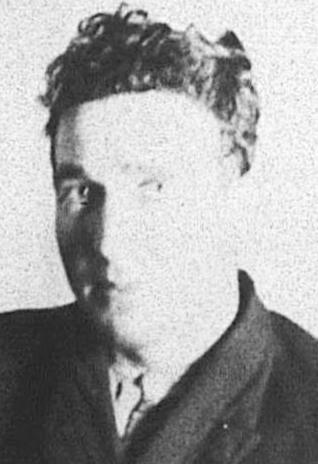
Captain William W Peddle RFA
29 August 1942 at Mahebourg, Mauritius Oilman Hoossein Kadir discharged dead - natural causes
22 December 1942 damaged by the South African Railways Administration tug T.H. WATERMEYER at Cape Town

28 January 1943 Mr Eric S Fielder RFA appointed as Chief Engineer Officer
1942 to 1943 crankshaft trouble after survey reduced her to a fuelling hulk at Bombay. Her Chief Engineer, ship’s engineers and two fitters from Mazagan Dock Co repaired the defect, involving handling weights of 20 tons under tropical conditions and she re-entered full service on completion
27 April 1943 after a refit was allocated as the Base Oiler at Bombay
9 November 1943 at Bombay with HMAS CESSNOCK alongside being refueled

HMAS CESSNOCK
26 January 1944 at Bombay with HMAS CESSNOCK alongside being refueled
3 February, 1944 at Bombay with HMAS BATHURST alongside being refueled
18 February 1944 Mr Thomas H Purvis RFA appointed as Chief Engineer Officer
29 February 1944 at Bombay with HMAS CESSNOCK alongside being refueled
4 March 1944 at Bombay with HMAS BATHURST alongside being refueled
13 July 1944 damaged whilst alongside and fuelling the carrier HMS VICTORIOUS
5 September 1944 at Bombay Anchorage with HMAS GAWLER alongside being refueled
14 August 1945 at Salisbury Island, Durban used as a test load for Admiralty Floating Dock AFD31 which had been completed in a sand berth in Durban Harbour. The load test was carried out at the floating dock berth at the new Naval Base at Salisbury Island
18 October 1945 entered dry dock at Durban
19 November 1945 undocked from the dry dock at Durban
1946 replaced RFA RUTHENIA as jetty and pumping station at Woodlands Naval Tank Storage facility at Singapore until the fuel lines ashore were restored and a new jetty was built in 1952
1952 after a serious fire at Singapore, was sold to BISCO for demolition
29 October 1952 sailed Singapore in tow of the British tug ENGLISHMAN
23 December 1952 the tug radioed that her tow had broken loose 80 nmiles west of Crete
15 January 1953 while crossing the Bay of Biscay, she broke adrift and again caught fire. After the fire had been extinguished, the tow was reconnected
31 January 1953 again broke adrift during a gale
1 February 1953 ran aground at Barton Gap in Norfolk

15 April 1953 was refloated and continued in tow to Blyth
19 April 1953 arrived at Blyth for breaking up by Hughes Bolckow Shipbreaking Co Ltd.