

Previous name: Oleander
Subsequent name: British Fern
Official Number: 139189
Class: Emergency Wartime Construction LEAF Group Freighting Tanker
Pennant No: Y7.162
Laid down:
Builder: Napier & Miller, Old Kilpatrick
Launched: 1916
Into Service: 27 January 1917
Out of service: Sold commercially
Fate: Broken up 1931
Items of historic interest involving this ship: -
Background Data: During WW1, eighteen vessels of varying types were acquired second hand and converted or purchased and converted while on the stocks, or in a few cases building as tankers. Some were converted after serving with the Dummy Battleship Squadron by the insertion of cylindrical tanks in their holds. All were originally intended to operate as RFA’s however, owing to reasons of international law and the operation of the US Neutrality Act, these oilers became Mercantile Fleet Auxiliaries, being renamed with the LEAF nomenclature and placed under civilian management, although operationally they remained under Admiralty control.
Details of this ship were described in the Western Australian newspaper of 10 October 1921 which said that 'Special construction features of the ship include the fitting of cylindrical tanks in the holds, an innovation which few oil tankers possess. The carrying capacity of the tanks was nearly 10,000 tons and a further 1,000 tons of oil was carried as bunkers. The oil could be pumped into the tanks in about 18 hours, and, providing the shore facilities were adequate, discharging operations could be completed in 16 hours. To ensure the stability of the vessel, expansion tanks are provided, and these also serve the purpose of giving added room when the hot weather increases the volume of the cargo. Provisions against the outbreak of fire are most complete and vary according to the nature of the oil carried. The ship consumed about 28 tons of oil per day on average while a steamer of her size would require 46 tons of coal per day. One man was required to watch the fuel on an oil burner and on a steamer at least four men were employed on that work. The quick comparative quick rate at which bunkers could be replenished was another point in favour of an oil burning ship.'
1916 launched by Napier & Miller Ltd, Old Kilpatrick as Yard Nr: 200 named RFA OLEANDER
27 January 1917 completed for the Shipping Controller and placed under management of Lane & MacAndrew Ltd, London as an oiler transport and renamed FERNLEAF. Base port Devonport
January 1917 Captain Buck appointed as Master
31 May 1917 an Admiralty report on this ship showed she had completed only one round trip from the UK to Port Arthur, Texas during which she had suffered a serious defect to her engine resulting in her having to stay 7 days at Port Arthur (including loading time) and 15 days on the River Clyde for repairs - source MT23/808 at the TNA
10 June 1917 off the south west coast of Ireland attempted to ram an attacking German submarine and later maintained sustained fire from the ships gun that the submarine attempted renewed attack was abandoned. (As reported in The Straits Times of 23 September 1931). Arrived later the same day at Queenstown
25 June 1917 attacked in the Atlantic by gunfire from an unknown submarine but fought it off
27 August 1917 at sea Carpenter Robert Macmillan discharged dead - drowned
5 November 1917 at Hull Donkeyman & Greaser Hugh Sherry discharged dead - cardiac failure
10 January 1918 involved in a collision with ss San Gregorio inside the gate of the first boom defence of the Cromarty Firth
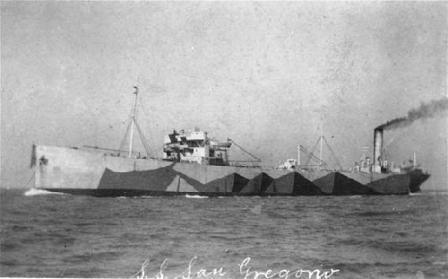
Tanker ss San Gregorio
29 January 1918 at Mary Gates Hospital, Port Arthur Greaser James Kirk discharged dead - tuberculosis. He entered the hospital on 5 December 1917
25 March 1918 re-entered service after repairs were completed
29 December 1918 arrived at Falmouth from Port Arthur, Texas
1 January 1919 berthed at Portland
3 January 1919 passed the Lloyds Signal Station on the Lizard sailing west
8 July 1919 passed Flamborough Head sailing north
18 July 1919 at Reval, Baltic Sea alongside HMS VINDICTIVE refuelling her with 365 tons FFO

HMS VINDICTIVE
28 July 1919 berthed at Portsmouth from sea - returning to sea later on the same day
3 October 1919 arrived at Port Arthur from London
8 October 1919 sailed Port Arthur, Texas for Falmouth
27 October 1919 passed the Lloyds Signal Station on the Lizard sailing east
1 November 1919 arrived at Hull from Port Arthur, Texas
9 February 1920 sold to British Tanker Co Ltd and renamed British Fern
10 February 1920 sailed the River Tyne for Port Arthur, Texas
6 March 1920 berthed at Port Arthur, Texas from Hull
29 March 1920 berthed at Avonmouth from Port Arthur
1 April 1920 sailed Avonmouth for Manchester
5 May 1920 sailed Port Arthur for London
25 May 1920 arrived London from Port Arthur, Texas
19 June 1920 sailed Southamton for Port Arthur, Texas
9 July 1920 arrived Port Arthur, Texas from Southampton
30 July 1920 arrived at Gravesend for Purfleet from Port Arthur, Texas
4 August 1920 sailed Gravesend
7 August 1920 sailed Plymouth for Port Arthur, Texas
26 August 1920 arrived at Port Arthur, Texas from Plymouth
29 August 1920 sailed Port Arthur, Texas to the UK
17 September 1920 arrived at Purfleet from Port Arthur, Texas
11 October, 1920 arrived Port Arthur, Texas
15 October 1920 sailed Port Arthur, Texas for London
3 November 1920 arrived at Purfleet from Port Arthur having saved six ship wrecked mariners from a Luneburg schooner 'Bernard B Conrad' at 45°50N 38°54W when the schooner was on passage from Luneburg, Labrador to Gibraltar (The Master, the Mate, a cook and three AB's). The crew of the schooner had abandoned her on 27 October 1920. Captain William G MacKay was the Master
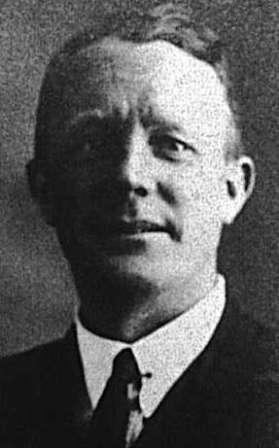
Captain William G MacKay
1 December 1920 arrived at Brunswick GA from London
5 December 1920 sailed Brunswick GA
21 December 1920 arrived at Gravesend for Purfleet from Brunswick
23 December 1920 berthed at Avonmouth
28 March 1921 at the North Wall, Avonmouth under going repairs
4 April 1921 sailed Swansea for Port Said
15 April 1921 arrived at Port Said
19 April 1921 sailed Port Said for Abadan
22 April 1921 arrived Aden
29 April 1921 arrived at Abadan from Swansea, Port Said and Aden
23 May 1921 sailed Swansea for London
6 June 1921 berthed at Purfleet with 2 passengers. Captain H Buck was the Master
13 June 1921 arrived at Grangemouth from Purfleet
10 July 1921 arrived at Port Arthur, Texas from London
13 July 1921 sailed Port Arthur, Texas for Devonport
15 July 1921 passed Key West, Florida
31 July 1921 arrived at Walton Bay from Port Arthur, Texas with 1 passenger. Captain William G MacKay was the Master
6 August 1921 arrived at Manchester from Walton Bay
9 August 1921 sailed Manchester for Abadan
14 September 1921 sailed Abadan for Fremantle, Western Australia
15 October 1921 as British Fern arrived Fremantle, Western Australia from Abadan to discharge 8,000 tons into new tanks for Anglo Persian Oil Company
25 October 1921 arrived Colombo, Ceylon from Fremantle, Western Australia
13 November 1921 arrived at Abadan
29 December 1921 arrived at Rangoon, Burma from Abadan
30 January 1922 sailed Abadan for Rangoon, Burma
17 May 1922 sailed Abadan for Bombay
23 May 1922 arrived at Bombay, India
21 June 1922 sailed Colombo, Ceylon for Melbourne
12 July 1922 at Melbourne from Abadan
16 July 1922 arrived Sydney, NSW, Australia from Melbourne

ss British Fern arriving at Sydney, NSW
20 July 1922 sailed Sydney, NSW, Australia for Abadan
11 August 1922 arrived at Colombo from Sydney, NSW, Australia
2 October 1922 arrived Aden from Abadan
9 October 1922 sailed Port Said for Marseilles
27 October 1922 arrived Port Said from Marseilles
30 October 1922 sailed Port Said
29 November 1922 called at Aden from Abadan
5 December 1922 arrived at Suez from Aden
6 December 1922 sailed Port Said for Le Havre
15 December 1922 passed Gibraltar
3 January 1923 passed the Lloyds Signal Station on the Lizard steaming westwards
19 January 1923 sailed Suez
31 January 1923 at Abadan
1 March 1923 arrived at Suez from Abadan
5 March 1923 sailed Suez for Abadan
6 April 1923 sailed Abadan for Karachi
2 July 1923 when on passage from Abadan to Swansea left Aden this day
17 July 1923 arrived at Suez
28 August 1923 at Bombay
9 September 1923 at Abadan
26 September 1923 arrived Aden from Abadan
29 September 1923 sailed Aden
October 1923 Captain Oxley in command as Master
15 October 1923 sailed Abadan to Sydney, Australia to discharge 7,500 tons of oil
19 November 1923 arrived at Sydney, NSW, Australia

24 November 1923 sailed Sydney, NSW, Australia for Bombay
25 December 1923 sailed Bombay for Abadan
14 May 1924 sailed Aden for Abadan
21 May 1924 at Abadan
6 June 1924 arrived at Aden from Abadan
5 September 1924 at Bombay
2 November 1924 arrived Aden from Abadan
12 November 1924 arrived at Abadan from Aden
25 November 1924 sailed Abadan for Aden
6 December 1924 sailed Aden
17 December 1924 sailed Abadan
19 January 1925 at Colombo, Ceylon
24 January 1925 sailed Madras
5 February 1925 at Abadan
3 March 1925 sailed Aden
7 April 1925 sailed Bombay
11 May 1925 at Port Said
27 May 1925 passed Peria
11 June 1925 at Bombay
12 July 1925 at Suez
5 August 1925 at Abadan
12 August 1925 sailed Abadan
21 August 1925 passed Perim
28 August 1925 sailed Port Said
6 September 1925 passed Sagres
18 September 1925 at Falmouth
17 October 1925 in contact by radio with Gibraltar
24 October 1925 at Venice
4 November 1925 at Port Said
10 November 1925 passed Perim
12 December 1925 at Aden
17 June 1926 arrived Abadan from Bombay
3 August 1926 sailed for Port Said from Abadan
3 November 1926 sailed Bombay
5 December 1926 arrived at Abadan
8 January 1927 passed Perim
2 February 1927 arrived at Aden from Abadan
27 February 1927 sailed Bombay
6 March 1927 arrived at Aden
2 May 1927 sailed Abadan for Aden
13 July 1927 at Karachi
15 August 1927 sailed Bombay for Abadan
10 October 1927 sailed Aden for Abadan
26 October 1927 arrived at Bombay
30 October 1927 sailed Bombay
7 November 1927 sailed Abadan for Bombay
14 November 1927 at Bombay
28 October 1928 sailed Abadan
30 December 1928 sailed Port Said
10 August 1929 in the Bay of Bengal at 15°00N 85°20E Fireman Ebrahim Shaboodeen discharged dead from heart failure
21 April 1930 arrived at Suez for Abadan
22 April 1930 arrived at Port Said from Abadan
15 July 1930 sailed Abadan for Colombo
7 October 1930 arrived at Falmouth
8 November 1930 passed Gibraltar sailing east bound
16 November 1930 arrived at Port Said
30 November 1930 arrived at Abadan from Falmouth
2 February 1931 passed Perim when on passage to Abadan
27 March 1931 sailed Aden for Abadan
13 September 1931 purchased for £8,000 for demolition by Iaminosuka Myaji, Osaka