

RFA Plumleaf (1)

Previous name: RFA Trinol
Subsequent name:
Official Number: 140263
Class: 5000T FAST LEAF (ex TEXOL) CLASS Fleet Attendant Tanker
Pennant No: X 63 / Y7.179 / X 54
Laid down:
Builder: Swan Hunter, Wallsend
Launched: 4 August 1916
Into Service: February 1917
Out of service: Bombed 4 April 1942 Malta Harbour
Fate: Broken up
Items of historic interest involving this ship: -
Background Data: All ordered in 1915, the six Admiralty-designed vessels in this Class were very advanced ships for their day. They were designed to act as Escorts on Atlantic Convoys during WW1, whilst also bringing cargoes of oil fuel from the U.S. to Britain. They were fitted with six boilers and four powerful cargo pumps with a pumping rate of 2,000 tonnes per hour, which for many years was too high to be used by HM ships. They were originally planned to be named after oil bearing countries with the now usual OL suffix, but their military appearance and naval names caused difficulties with the U.S. Neutrality Act, so various modifications were made and they were then placed under commercial management and given LEAF names in common with other converted ships running as Admiralty tankers under commercial management
4 August 1916 launched by Swan Hunter & Wigham Richardson, Wallsend as Yard Nr: 1015 named TRINOL
23 August 1916 as Trinol - Engineer Lieutenant Robert M Brown RNR appointed as Chief Engineer Officer

Engineer Lieutenant Robert M Brown RNR
1 September 1916 as Trinol - Lieutenant William Frost RNR appointed in command
7 March 1917 registered London as PLUMLEAF as number 48/17 in the Register Book
11 March 1917 completed at a cost of £261,901. Placed under management of Lane & MacAndrew Ltd, London as an oiler transport
served on North Atlantic convoy duties
15 November 1917 registered London as entry 364/17 register book - The Crown represented by The Shipping Controller
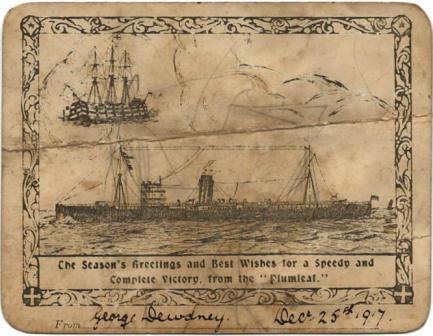
29 April 1918 at 41°17N 47°55W in company of RFA APPLELEAF (1) stopped by HMS LEVIATHAN who delivered despatches to both tankers
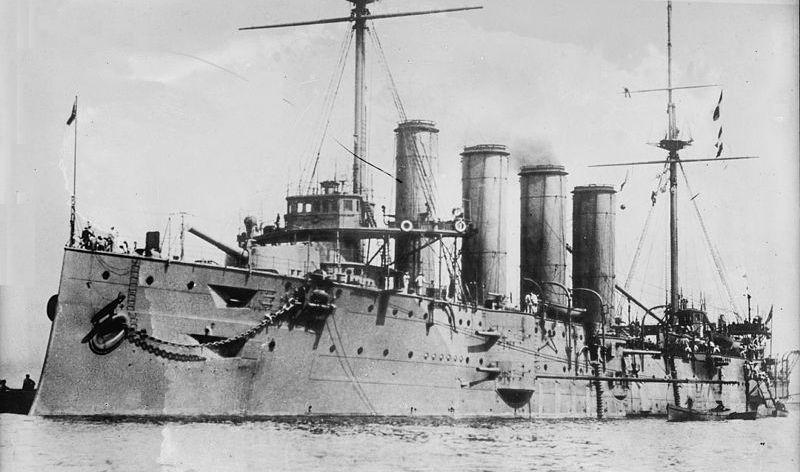
HMS LEVIATHAN
5 July 1918 entered New York on passage from Milford Haven Captain Frederick William Dunn-Taylor RFA as Master and with a crew of 67
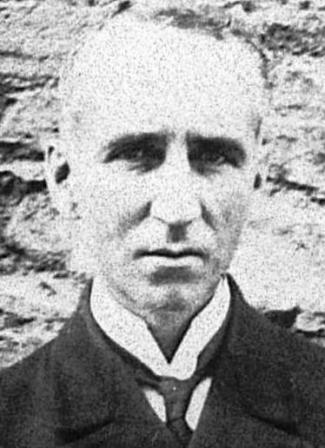
Captain Frederick W Dunn-Taylor RFA
6 August 1918 at Montreal, Canada Seaman John Dixon discharged dead having drowned
25 August 1918 at Dover with RFA PALMOL alongside receiving cargo
3 October 1918 berthed at Liverpool from Halifax with 1 DBS
2 December 1918 arrived at Liverpool
12 September 1919 arrived at Smyma and berthed alongside HMS CENTAUR to refuel her
13 September 1919 sailed Smyma
7 November 1919 at sea 2nd Steward Thomas Kerr discharged dead having drowned
17 December 1919 at Constantinople HMS CENTAUR berthed alongside was refuelled
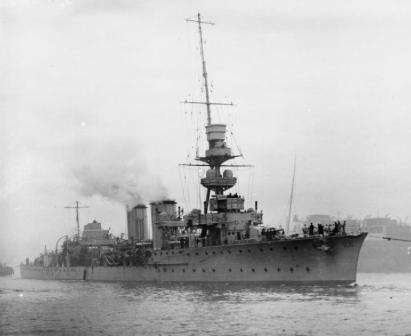
HMS CENTAUR
21 December 1919 at Constantinople alongside HMS TORCH refuelling her with 142 tons of FFO
15 March 1920 at Constantinople alongside HMS ARK ROYAL refuelling her
20 March 1920 at Constantinople alongside HMS TORCH refuelling her with 56 tons of FFO
24 March 1920 at Constantinople alongside HMS TORCH refuelling her with FFO
5 May 1920 called at Gibraltar in ballast while on passage from Constantinople to Portsmouth
22 May 1920 berthed at Portsmouth Harbour
23 May 1920 sailed from Portsmouth Harbour
24 May 1920 arrived at Devonport Dockyard
29 May 1920 berthed at Portsmouth Harbour
30 May 1920 sailed from Portsmouth Harbour
20 June 1920 in the morning in collision with ss Australia 8½ miles S 27° W Magnetic from Portland Bill. The stem and port bow of the ss Australia was in contact with the port side of RFA PLUMLEAF forward of amidships. PLUMLEAF then grounded. PLUMLEAF was on passage from Plymouth to Southampton in ballast. Captain Frederick William Dunn-Taylor RFA as Master
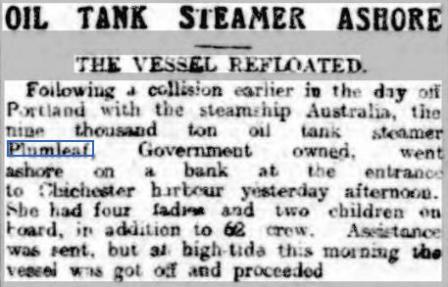
29 June 1920 berthed at Portsmouth Harbour
15 December 1920 sailed Portsmouth Harbour
16 December 1920 berthed at Portsmouth Harbour
19 December 1920 the collision with ss Australia was the subject of proceedings in the Admiralty Division of the High Court before Sir Henry Duke with Assessors. The ss Australia was held totally to blame
23 December 1920 sailed Portsmouth Harbour for Bermuda
26 December 1920 at 49°57N 20°23W Greaser Frederick Shore discharged dead from heart failure
4 January 1921 berthed at Bermuda to relieve RFA CHERRYLEAF (1) as the Base oiler
9 January 1921 sailed Bermuda for Port Arthur
14 January 1921 arrived at Port Arthur to load
23 January 1921 berthed at Bermuda to discharge
11 February 1921 at Bermuda USS Child berthed alongside to refuel and received 100 tons of FFO
19 February 1921 at Bermuda the ship's football team played a match against the Ireland Island Association and lost 4-1
9 April 1921 at Bermuda the ship's football team played a match against a team from the ss British Earl and won 3-0
16 April 1921 at Bermuda the ship's football team played a match against a team from HMS VALERIAN and won 3-1
9 May 1921 at Ireland Island, Bermuda Able Seaman Edward George Sturt discharged dead - drowned. Buried in the Royal Naval Cemetery, Bermuda
10 June 1921 at the Spar Yard, HM Dockyard, Bermuda a whist drive and concert was given to raise funds for the widow and family of Able Seaman Edward G Sturt in the UK. The M.C. for the evening was Engineer Lieutenant R M Brown RNR, the ships Chief Engineer Officer. A raffle was a great success with most of the prizes being returned for auction and a total of £150.00 was realised by the evenings function
2 July 1921 at Bermuda the ship's cricket team played a match against a team from HMS MUTINE and won by 108 runs
9 July 1921 at Bermuda the ship's cricket team played a match against a team from 'D' Company, Royal Sussex Regiment and won by 21 runs
16 July 1921 at Bermuda the ship's cricket team played a match against a team from the Ireland Island XI and won by 27 runs
23 July 1921 at the Somerset Cricket Ground, Bermuda the ship's cricket team played a match against a team from HMS CONSTANCE and won by 76 runs
27 July 1921 at Bermuda the ship's water polo team played a match against a team from HMS CAMBRIAN and won by three goals to one
28 July 1921 at Bermuda the ship's water polo team played a match against a team from HMS CONSTANCE and won by four goals to two
30 July 1921 at Bermuda the ship's cricket team played a match against a team from HMS MALABAR and won by 3 wickets. In addition the ship's water polo team played a match against a team from HMS MUTINE which resulted in a draw of 3 goals each
5 August 1921 at Bermuda while working in the engine room Greaser Daniels fell some 30 feet when a rope gave way. He was carefully removed from the engine room and examined by a Doctor from HMS CONSTANCE. He was found to have suffered no internal injuries and only suffered a severe shaking
8 August 1921 at Bermuda the ship's water polo team played a match against a team from HMS CONSTANCE with a drawn result - each team scoring two goals
17 August 1921 at Bermuda the ship's water polo team played a match against a team from HMS RALEIGH and won by 5 goals to 1
20 August 1921 at Bermuda the ship's cricket team played a match against a team from HMS MALABAR and lost by 41 runs
31 August 1921 at Bermuda the ship's water polo team played a match against a team from HMS MUTINE and won by 4 goals to 1
2 September 1921 at Bermuda the ship's water polo team played a match against a team from The Royal Sussex Regiment and won
3 September 1921 at Somerset, Bermuda the ship's cricket team played a match against a team from HMS MUTINE and lost by 50 runs
7 September 1921 at Bermuda during a water polo match between the ship's team and a team from HMS MUTINE, Stoker Johnson, a member of HMS MUTINE's team, was lost and accidentally drowned. His body was recovered on 13 September 1921 and buried the next day in the Royal Naval Cemetery on Ireland Island
10 September 1921 at Somerset, Bermuda the ship's cricket team played a match against a team from HMS MUTINE and won by 3 runs
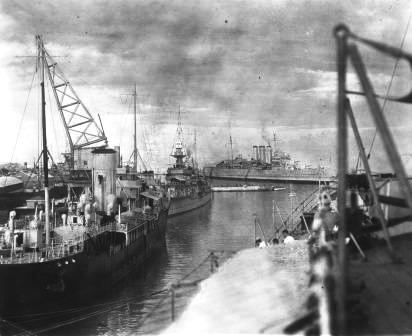
18 September 1921 at Boaz Island, Bermuda at Somerset, Bermuda the ship's cricket team played a match against a team from HMS TAMAR and won by 8 runs
11 October 1921 at Moresby Plain, Bermuda the ship's football team played an Ireland Island team and won 6 - 2
22 October 1921 at Boaz, Bermuda the ship's football team played the Somerset Club and won 6 -2
23 October 1921 at Bermuda during a fishing competition a member of the ships crew caught a 17lb bonita using a bream hook and line
29 October 1921 at Moresby Plain, Bermuda the ship's football team played an Ireland Island team and won 1 - 0
8 November 1921 sailed Bermuda
12 November 1921 arrived at Kingston, Jamaica
15 November 1921 at Kingston Jamaica alongside HMS CONSTANCE to refuel her - issued 382 tons of FFO. Later alongside HMS RALEIGH to refuel her - issued 670 tons of FFO
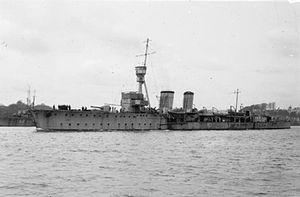
HMS CONSTANCE
17 November 1921 the Ireland Island, Bermuda Football Association reported that RFA Plumleaf had entered a team and had been nominated for 12 fixtures over the coming football season
26 November 1921 at Moresby Plain, Bermuda the ship's football team played an Ireland Island team and lost 2 - 1. It was reported in the press that some of the ships better players were mssing
3 December 1921 at the Garrison Recreation Field, Bermuda the ship's football team played St Georges Football team and lost 2 - 1. The ships team were listed as Barton - goal keeper, Davis and Rapley - backs, Bannister, Fulton and Almond - half backs, Harmon, Leosh, Ripley, Hardy (Captain) and McKoy - forwards
10 December 1921 at Moresby Plain, Bermuda the ship's football team played a team from HMS MALABAR and won 2 - 0
20 January 1922 berthed at HM Dockyard, Bermuda
21 January 1922 entered HM Floating dry-dock at Bermuda
22 January 1922 the ship gave a dance in the Sail Loft, HM Dockyard, Bernuda. On conclusion the band which had been provided by the East Lancashire Regiment was returning to Barracks in the Ferry Onyx which ran aground and could not be refloated until the next day
11 February 1922 at the Garrison Recreation Field, Bermuda the ship's football team played No: 95 Company Royal Garrison Artillery and lost 8 - 0
29 March 1922 sailed Bermuda to Rosyth
31 March 1922 the Royal Gazette, Bermuda reported the departure of RFA Plumleaf -
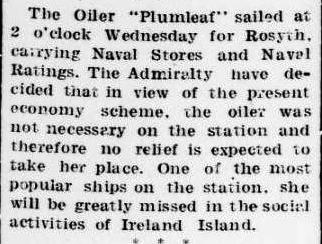
10 April 1922 berthed at Devonport
1922 to 1926 in reserve at Rosyth along with 4 of her sisters
4 October 1924 the Portsmouth Evening News reported -
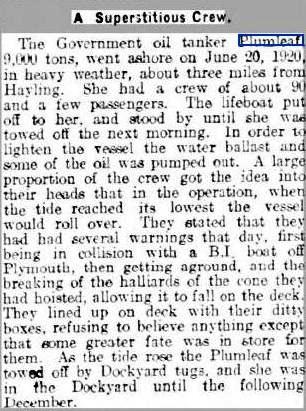
1926 to 1930 brought out of reserve during the General Strike and was chartered to Anglo Saxon Petroleum Co Ltd, London
6 August 1926 Captain George H Franklin RFA appointed as Master
25 August 1926 berthed at Portsmouth Harbour
3 September 1926 in No: 12 dry dock at Portsmouth Dockyard
17 September 1926 sailed from Portsmouth Harbour
10 March 1927 the Portsmouth Evening News reported this day ...
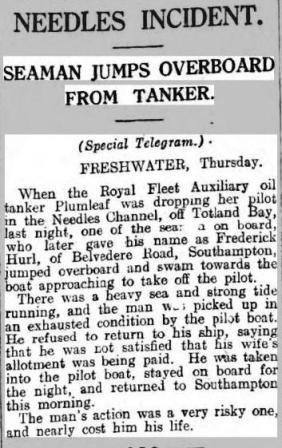
22 April 1927 Mr Clifford N Ansell RFA appointed as Chief Engineer Officer
11 September 1927 a crew member was removed to the Seaman's Hospital, Tilbury suffering from Pulmonary Tuberculosis - details of the Medical Officer of Health for the Port London's report 1927
3 October 1927 sailed Las Palmas for Barbados
2 November 1927 berthed at Thames Haven from Curaçao with 5 DBS. The Master was Captain G W Calloway RFA
3 November 1927 Captain Charles L Cutsforth RFA appointed as Master
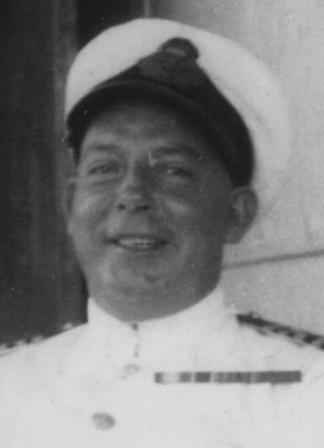
Captain Charles L Cutsforth RFA
21 January 1928 Captain George H Franklin RD RFA (Captain RNR (Rtd)) appointed as Master
17 December 1928 sailed Plymouth for Trinidad passing the Lloyds Signal Station on the Lizard
23 January 1929 berthed at Portsmouth Harbour on the Gosport Oil Fuel jetty
5 March 1929 passed the Lloyds Signal Station on the Lizard sailing east
6 March 1929 arrived at Plymouth from Trinidad
7 March 1929 passed the Lloyds Signal Station on the Lizard sailing west
12 April 1929 berthed at Portsmouth Harbour
20 April 1929 sailed from Portsmouth Harbour
22 May 1929 vessel fumigated with Hydrocyanic Acid Gas to kill rats in accorance with American Regulations - one dead rat found after fumigation
13 June 1929 Mr W D Hewitt RFA appointed as Chief Engineer Officer
8 August 1929 at Tilbury
22 December 1929 arrived on the River Tyne from Hamburg
3 February 1930 Captain George St. L Capsey RFA appointed as Master
4 July 1930 berthed at Portsmouth Harbour from Trinidad
9 July 1930 Mr Frederick C Reynolds RFA appointed as Chief Engineer Officer
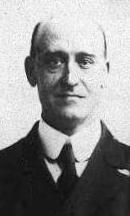
Chief Engineer Officer Frederick C Reynolds RFA
14 July 1930 sailed from Portsmouth Harbour
2 November 1930 passed the Lloyds Signal Station on the Lizard sailing east
1931 sailed to Malta where she relieved RFA DREDGOL as Station Oiler
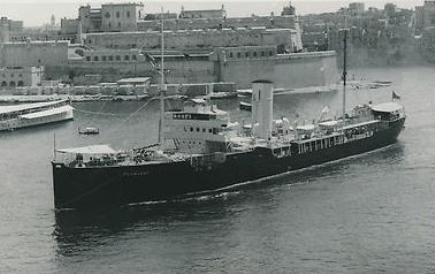
9 February 1931 Captain William Whiteley RFA appointed as Master
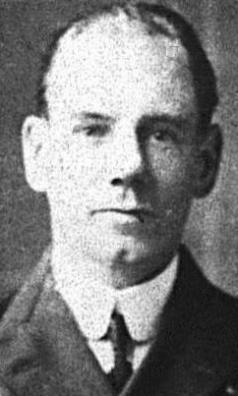
Captain William Whiteley RFA
1 August 1931 arrived at Plymouth
19 September 1931 berthed at Portsmouth on the Gosport Oil Fuel Jetty
24 September 1931 sailed from Portsmouth Harbour
5 October 1931 berthed at Portsmouth Harbour
7 October 1931 sailed from Portsmouth Harbour
24 October 1931 arrived at Greenock from Devonport
26 October 1931 berthed at the Oil Fuel Depot, Old Kilpatrick, River Clyde
29 October 1931 sailed from the Oil Fuel Depot, Old Kilpatrick
30 October 1931 arrived at Milford Haven sailing the same day
31 October 1931 arrived at Plymouth
22 December 1931 at Malta Carpenter C Farrugia discharged dead with a fractured skull
9 April 1932 Captain John Ross Gorrie RFA appointed as Master
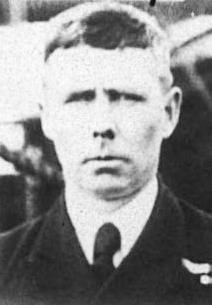
Captain John Ross Gorrie RFA
11 August 1932 sailed Grand Harbour, Malta
20 August 1932 at Grand Harbour, Malta alongside HMS ROYAL OAK refuelling her with 1,700 tons of FFO
9 June 1933 at Grand Harbour, Malta alongside HMS PRINCE OF WALES refuelling her with 1,383 tons of FFO
1 September 1933 Captain John H Jones RFA appointed as Master
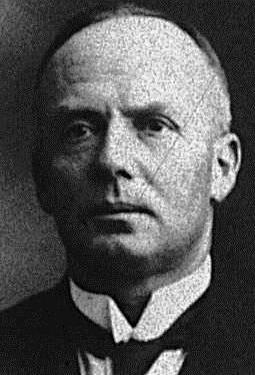
Captain John H Jones RFA
26 October 1933 Mr L H Taylor RFA appointed as Chief Engineer Officer
21 February 1934 Captain John Gow RFA appointed as Master
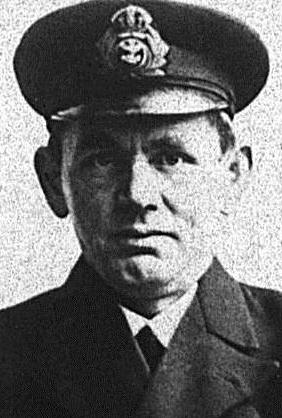
Captain John Gow RFA
8 May 1934 at Malta
9 December 1934 at Malta
13 May 1935 berthed at Portsmouth Harbour
15 May 1935 sailed from Portsmouth Harbour
17 May 1935 sailed UK to Malta towing Admiralty Tug "St. Angelo". Off Ushant, in heavy weather the tow broke and the tug returned to Devonport under her own steam
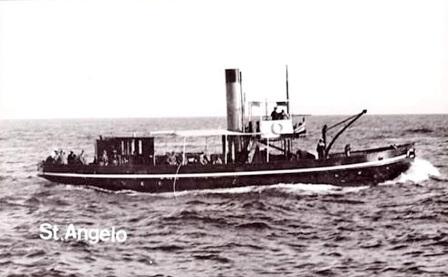
Admiralty Tug St. Angelo
27 May 1935 passed Gibraltar sailing east bound
28 June 1935 berthed at Sheerness
1936 to 1939 undertook Station Oiler duties at Gibraltar during the Spanish Civil War
6 February 1936 Mr J Paton RFA appointed as Chief Engineer Officer
19 March 1936 Captain Reginald C E Neyroud RFA appointed as Master
February 1937 served at Barcelona and at Malta
6 June 1937 Mr Charles M Morgan RFA (Engineer Lieutenant Commander RNR) appointed as Chief Engineer Officer
8 August 1937 at Grand Harbour, Malta Admiral Sir A Dudley Pound visited the ship to view the RFA Aquatic Sports held alongside
4 October 1937 berthed at Gibraltar from Oran - in ballast
13 September 1938 Captain Sidney T Dunster RFA appointed as Master. At Alexandraia moored alongside HMS COVENTRY to refuel her - 243 tons of FFO supplied
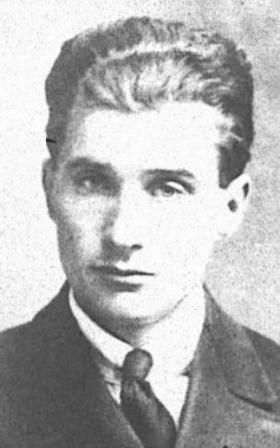
Captain Sidney T Dunster RFA
27 September 1939 at Alexandria moored alongside HMS COVENTRY to refuel her - 240 tons of FFO supplied
15 October 1939 at Alexandria
29 December 1939 Mr J Glynn RFA appointed as Chief Engineer Officer
11 February 1940 sailed Aden to Bombay arriving on 18 February 1940
18 February 1940 sailed Bombay to Karachi arriving the same day
19 February 1940 sailed Karachi to Bombay arriving 21 February 1940
14 March 1940 sailed Bombay to Karachi arriving 16 March 1940
17 March 1940 sailed Karachi to Bombay arriving 19 March 1940
20 March 1940 sailed Bombay to Aden arriving 28 March 1940
28 March 1940 sailed Aden to Diego Suarez arriving 6 April 1940
6 July 1940 sailed Aden joing convoy BN 1 to Suez arriving 12 July 1940
13 July 1940 transitted the Suez Canal
14 July 1940 sailed Port Said to Alexandria arriving 15 July 1940
19 August 1940 at Alexandria with HMAS VENDETTA alongside to refuel
29 August 1940 Operation Bonnet - sailed from Alexandria, Egypt with two other Merchant ships as Convoy MF2 to Malta arriving on 2 September 1940. The convoy was protected, directly or indirectly, by a Royal Naval Force consisting of two aircraft carriers, one battle cruiser, three cruisers and sixteen destroyers. One of the merchant ships - the ss Cornwall was damaged but all three reached Malta delivering 40,000 tons of stores
11 October 1940 sailed Malta in convoy MF4 to Alexandria arriving on 13 October 1940
4 November 1940 sailed Alexandria in convoy MW3 to Malta arriving 10 November 1940
13 November 1940 arrived back in convoy MF4 at Alexandria
14 November 1940 Captain Leonard Elford RFA appointed as Master
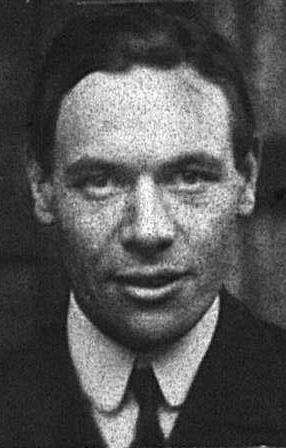
Captain Leonard Elford RFA
10 January 1941 sailed Malta in convoy ME6 to Alexandria arriving 13 January 1940
22 January 1941 arrived at Suda Bay, Crete
25 August 1941 with HMS HERMES and HMS ENTERPRISE escorted two companies of 3/10 Baluch onboard the Australian AMC Kanimble and occupied the port of Bandar Shapur and the terminus of the railway from Tehran to the Persian Gulf
23 March 1942 unsuccessful trip to MarSasirocco in attempt to salvage oil from the sunken HMS BRECONSHIRE
26 March 1942 bombed, she had a heavy list to starboard, stern down and drifting out, fire amidships. Danger of her stern swinging out and ship blocking the creek; also fire danger to HMS PENELOPE. Fire parties were sent in a pulling cutter, starboard whaler and skiff (only available boats). Dockyard cutter manned by Marines were also sent to fight the fire. The parties got wires in aft, closed scuttles, plugged holes, assisted shoring up. secured tug to push stern in and extinguished the fire.
4 April 1942 bombed again and sank at Palatorial Wharf, Grand Harbour, Malta. Salvage officers consider her to be beyond repair.
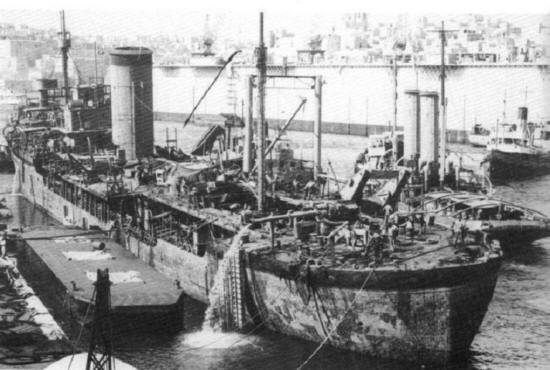
RFA Plumleaf being raised in Grand Harbour Malta
5 December 1943 while still a sunken hulk in Grand Harbour, Malta the USS Savannah (CL42) moved from No 4 dry dock and moored alongside
28 August 1947 was raised with the assistance of CSV DISPENSER.and was towed to Rinella Bay to await disposal
10 September 1947 she was accepted afloat by the MoT before being sold for demolition
11 October 1947 towed to Catalina, Sicily for demolition by the British tug MARAUDER accompanied by RFA SEA SALVOR
RFA Plumleaf (2)
Reproduced with permission of the MOD

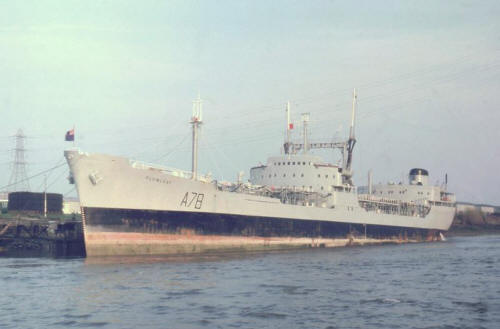
RFA Plumleaf at Old Kilpatrick on the Clyde
Previous name: Corheath
Official Number: 301216
Class: SECOND LEAF CLASS Support Tanker
Pennant No: A78
Laid down: August 1958
Builder: Blyth Drydock & Engineering Co, Cowpen Quay, Blyth
Launched: 29 March 1960
Into Service: 24 August 1960
Out of service: 1986
Fate: Broken Up
Items of historic interest involving this ship: -
Background Data In June 1956 the London Commonwealth Prime Ministers’ Conference discussed Britain’s future naval strategy and the vulnerability of static bases in the face of world-wide change. Consideration was given to the provision of Fleet Trains to supply warships at sea and the Admiralty announced plans to build up a force of such ships. So began a period of major Fleet modernisation with the bare-boat chartering of eight motor tankers for freighting duties that reintroduced the LEAF names to the Fleet. These eight vessels were all broadly similar and were bare-boat chartered as replacements for the DALE and WAVE Classes. Although primarily intended for freighting duties, most of them were also capable of replenishment at sea
18 December 1959 Mr Thomas L Morton RFA appointed as Chief Engineer Officer
6 January 1960 Captain John M Humphrey OBE DSC RFA appointed as Master
29 March 1960 launched by Blyth Drydock & Engineering Co, Cowpen Quay, Blyth as Yard Nr: 373 named PLUMLEAF (2) for Wm Cory & Son Ltd, London. The Lady Sponsor was Lady Dorothea Metcalfe, the wife of Sir Ralph Metcalfe, a Director of the owners
29 July 1960 completed
24 August 1960 bareboat chartered by the Admiralty for an initial 19 year period
11 November 1960 Captain Leslie G Rowling DSC RFA appointed as Master
17 August 1961 Captain A H MacKenzie RFA appointed as Master
16 June 1962 berthed at Malta
12 October 1962 Captain Ronald V Warren DSC RFA appointed as Master
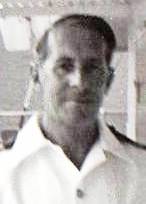
8 January 1963 Humanitarian aid - arrived off the lighthouse at Jabal At Tair, a rocky islet in the Red Sea in response to a signal flown requesting medical assistance and evacuated a Maltese lighthouse keeper suffering from appendicitis and landed him to hospital at Aden the following day
20 January 1963 Mr R E Davies RFA appointed as Chief Engineer Officer
4 May 1963 at Singapore General Hospital Fireman's Cook Lam Luk Hing discharged dead - heart attack
30 May 1963 Captain Albert E Curtain OBE RD RFA appointed as Master
16 October 1963 Mr J Scott RFA appointed as Chief Engineer Officer
14 July 1964 Mr J Edge RFA appointed as Chief Engineer Officer
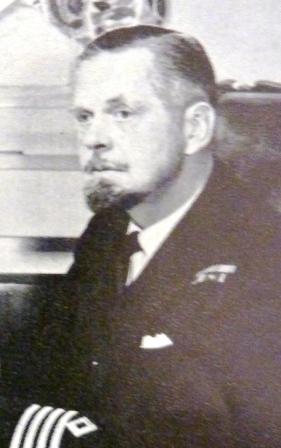
21 October 1964 Captain Joe Dines RD RFA appointed as Master
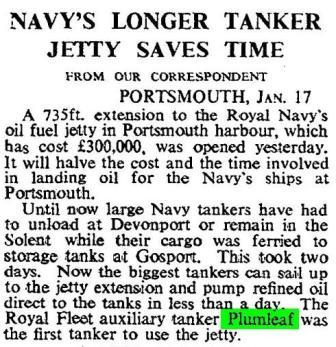
18 January 1965 the Times newspaper reported ...
28 November 1965 Captain Dan de V Moulds RFA appointed as Master
January 1966 her abeam replenishment rigs were fitted to her during a refit
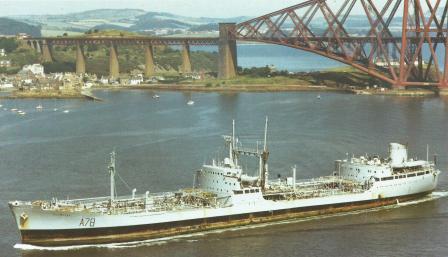
RFA Plumleaf (2) in the Firth of Forth
25 April 1966 Mr W M Clements RFA appointed as Chief Engineer Officer
15 February 1967 Captain G Bray MBE RFA appointed as Master
24 April 1967 RASed with HMS RELENTLESS during the Beira Patrol
27 April 1967 RASed with HMS RELENTLESS during the Beira Patrol
19 July 1967 Mr J Ross RFA appointed as Chief Engineer Officer
30 September 1967 at Singapore
12 December 1967 lost her radar scanner during a storm off Gibraltar which necessitated a new one being fitted there
8 February 1968 her Ship’s Badge was officially presented to her
26 June 1968 Captain David P Kindersley RFA appointed as Master
31 October 1969 delayed Scotstoun through industrial action by the Unions against Barclay Curle. Other commerical ships were also delayed by the same action - reported in the Glasgow Herald
1969 was diverted to stand by RFA BAYLEAF (2) who, after a long refit, suffered a reoccurrence of an engine defect and towed her to Bombay for repairs
10 November 1971 berthed at Simonstown Dockyard, South Africa
1972 passed to the ownership of Ocean Fleets Ltd, London
25 November 1972 in the South Atlantic RASed with US Navy units of TU27.8.4
12 May 1973 Captain Barry H Rutterford RFA appointed as Master
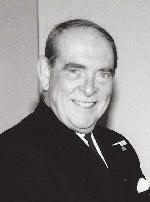
Captain Barry H Rutterford RFA
9 June 1973 berthed at Simonstown Dockyard, South Africa
6 August 1973 sailed Tahiti with the Governor of Pitcairn Island and his wife embarked
10 August 1973 anchored off Pitcairn Island
14 August 1973 sailed Pitcairn Island returning the Governor and his wife to Tahiti together with two Royal Engineers who had been brought to the island by RFA TIDEFLOW in July 1973
28 February 1974 at Singapore
26 April 1974 at the River Tyne
1974 transferred to the ownership of Liquid Gas Tankers Ltd (Cory Maritime Ltd, Managers) London
6 July 1974 berthed at Simonstown Dockyard, South Africa
29 April 1975 Captain Rex A Cooper RFA appointed as Master
5 June 1975 the Suez Canal reopened after the 1967 Arab / Israeli War and RFA PLUMLEAF (2) became the first vessel to pass through the newly-opened waterway
1977 passed to the ownership of Blue Funnel Bulkships Ltd, London
15 February 1978 at Gosport Oil Jetty
23 March 1978 at Plymouth
9 May 19178 at Plymouth
15 May 1978 off the US Virgin Islands and together with RFA's LYNESS, RESOURCE (2) and OLMEDA engaged in RASes with HMS's ARK ROYAL, DEVONSHIRE and ANTELOPE
18 June 1978 berthed at Portsmouth with RFA GOLD ROVER outboard of her
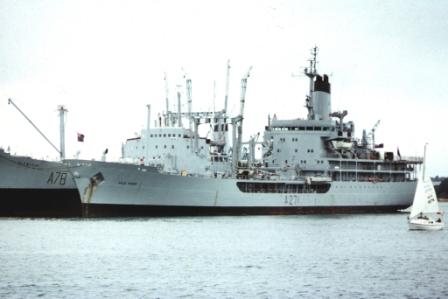
© Tim Webb – used with permission
7 July 1978 at Falmouth
13 February 1982 at Fawley
6 April 1982 completed Exercise Springtrain at Gibraltar and was preparing for a Fast East deployment.
19 April 1982 sailed Portland with RFA REGENT and HMS ARDENT and HMS ARGONAUT for Ascension Island arriving on 1 May 1982 on Operation Corporate
19 April 1982 sailed Portland for service during Operation Corporate- the Falklands Conflict - and headed south in company with RFA REGENT and escorted by the frigates HM ships ARDENT and ARGONAUT. She had previously conducted RAS trials with the requisitioned ships CANBERRA and ELK
21, 23 and 26 April 1982 RASed with HMS ARDENT and HMS ARGONAUT
28 April 1982 RASed with RFA REGENT
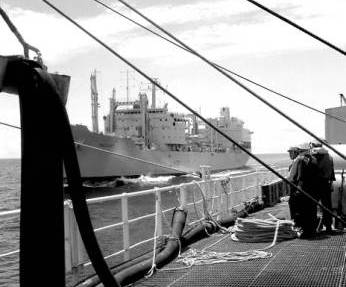
© George Mortimer - RFAHS member
29 April 1982 began operations around Ascension Island
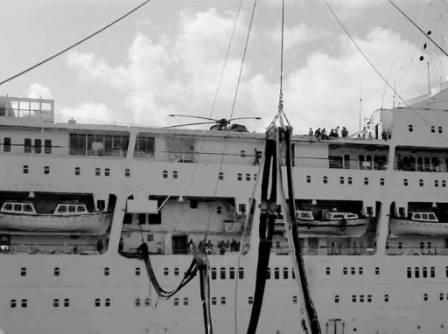
1 May 1982 RASed the troop ship Canberra supplying 2,171 tons of fuel at 7 54S 14 25W
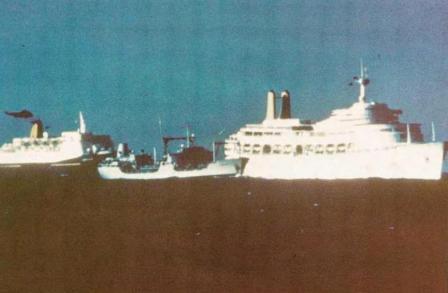
RASing with the troop ship Canberra with MV Norland astern during Operation Corporate
© George Mortimer RFAHS member
May 1982 RASed with British Tamar receiving 503 tons
3 May 1982 sailed Ascension Island - RASed with HMS FEARLESS, HMS ARDENT and HMS ARGONAUT
6 May 1982 sailed Ascension area along with RFA TIDEPOOL and escorted by the frigates HM ships ARDENT and ARGONAUT to join the Carrier Battle Group - TG 317.8
10 May 1982 entered the TEZ (Total Exclusion Zone) around the Falkland Islands
11 May 1982 RASed with RFA SIR GERAINT
12 May 1982 RASed with HMS PLYMOUTH
13 May 1982 conducted a pump over with RFA PEARLEAF (2) in position 47.34 S 38.28 W during which the latter received 2440t of fuel
15 May 1982 RASed with HMS ANTRIM
16 May 1982 detached and became part of the “motorway chain“ of tankers between the Falklands and the UK along with RFA’s APPLELEAF (3), BAYLEAF (3) and PEARLEAF (2)
18 May 1982 RASed with British Dart receiving 8,201 tons
20 May 1982 RASed HMS AMBUSCADE and HMS EXETER
23 May 1982 RASed HMS ACTIVE, HMS AVENGER, and HMS BRISTOL
24 May 1982 RASed HMS ANDROMEDA, HMS CARDIFF and HMS MINERVA
30 May 1982 RASed HMS GLASGOW
3 June 1982 suffered an engine breakdown and after repairs resumed her “motorway tanking” operations
4 June 1982 RASed HMS GLASGOW
10 June 1982 RASed with HMS DUMBARTON CASTLE - mail and stores
13 June 1982 RASed HMS Alacrity and HMS Argonaut
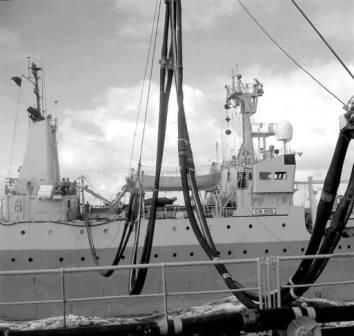
14 June 1982 RASed with Cable Ship Iris and British Dart - receiving 2,246 tons from this second ship
© George Mortimer RFAHS member
16 June 1982 RASed with RFA FORT AUSTIN then relieved from “tanking” operations and headed back to Ascension Island
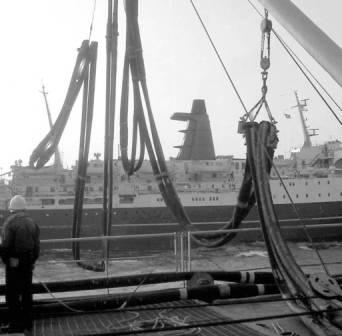
26 June 1982 RASed with the requisitioned ferry Rangatira at 17.09N 18.34W which was enroute to the Falklands to act as an Accommodation Ship
© George Mortimer RFAHS member
1 July 1982 RASed with HMS RHYL, HMS DIOMEDE and HMS DANAE
2 July 1982 RASed with HMS ARROW
3 July 1982 RASed with HMS ARROW again
5 July 1982 RASed with HMS PLYMOUTH and HMS GLAMORGAN
9 July 1982 RASed with HMS BRILLIANT and HMS FEARLESS
10 July 1982 RASed with HMS INTREPID
11 July 1982 arrived at Gibraltar
21 July 1982 RASed with HMS AMBUSCADE
24 July 1982 RASed with HMS EXETER, HMS YARMOUTH and HMS CARDIFF
29 July 1982 RASed HMS RHYL
31 July 1982 RASed HMS Minerva and HMS Active
26 August 1982 arrived back U.K. on completion of Operation Corporate duties. She had spent 85 days in support, had issued 19,523 tonnes of fuel during 55 replenishment serials and had received 10.950 tonnes of fuel from requisitioned BP tankers
November 1982 at Colombo with HMNZS CANTERBURY and HMS GALATEA
1 January 1983 to 3 January 1983 at Mombasa loading fesh water with HMNZS CANTERBURY and HMS GALATEA
3 January 1983 sailed Mombassa
5 January 1983 jackstay transfer of diving team from HMNZS CANTERBURY and sailed to Zanzibar
10 January 1983 sailed Zanzibar to Port Louis, Mauritius arriving 20 January 1983
24 January 1983 sailed Port Louis, Mauritius to Diego Garcia
26 January 1983 RASed with HMNZS CANTERBURY and HMS GALATEA
29 January 1983 arrived at Diego Garcia
1 February 1983 sailed Diego Garcia for the Gulf of Oman RASing with HMNZS CANTERBURY and HMS GALATEA every second day
12 February 1983 RASed with HMNZS CANTERBURY and HMS GALATEA and then sailed towards Bahrein
21 February 1983 RASed with HMNZS CANTERBURY and HMS GALATEA
28 February 1983 arrived at Karachi
4 March 1983 sailed from Karachi for Mombasa
21 April 1983 berthed at Gosport Oil Jetty
19 October 1983 moored on the River Tyne
5 March 1984 berthed on the Gosport Oil Fuel Jetty
6 September 1984 at Plymouth
13 November 1984 following refuelling HMS AVENGER at sea in heavy weather and just as the RAs rig was being prepared to refuel HMS ALACRITY the rig collapsed into the sea
23 November 1984 was presented with her Falkland Islands 1982 Battle Honour at Rosyth by Admiral Sir Nicolas Hunt KCB LVO, who was then FOSNI
28 August 1985 at Portsmouth
27 January 1986 at Portsmouth
28 June 1986 at Plymouth
5 October 1986 final RAS was with the frigate HMS ACHILLES in the Gulf of Mexico
7 November 1986 sailed Devonport for redelivery to her owners in the Far East and spent some time in Gibraltar being prepared
17 December 1986 arrived at Kaohsiung for breaking up by Cheng Yung Enterprises Ltd
Notes:
1. became the first of this Class of Leaf’s to transit the Panama Canal
2. was the first ship to pass through the Suez Canal when it reopened in 1975
3. was one of the 17 tankers employed in the Mozchan on Beira Patrol duties
4. RFA PLUMLEAF (2) served 26 years 3 months in the RFA
5. sailed approximately 2,554,397 miles
6. number of Engine Hours from new - 156,500
7. during Operation Corporate (the Falklands War) RAS'ed 55 ships and issued a total of 19,523 m³ and received 10,950 m³ of fuel oil respectively