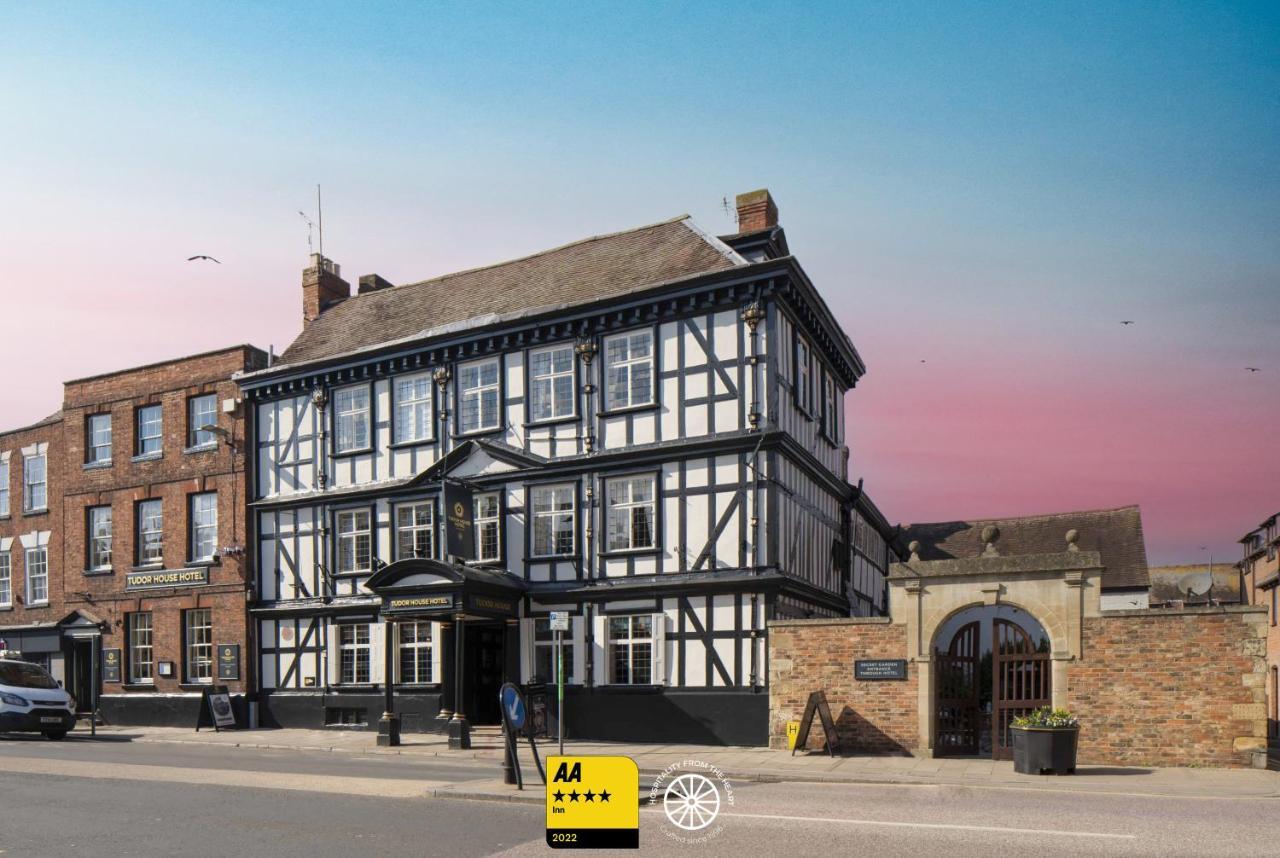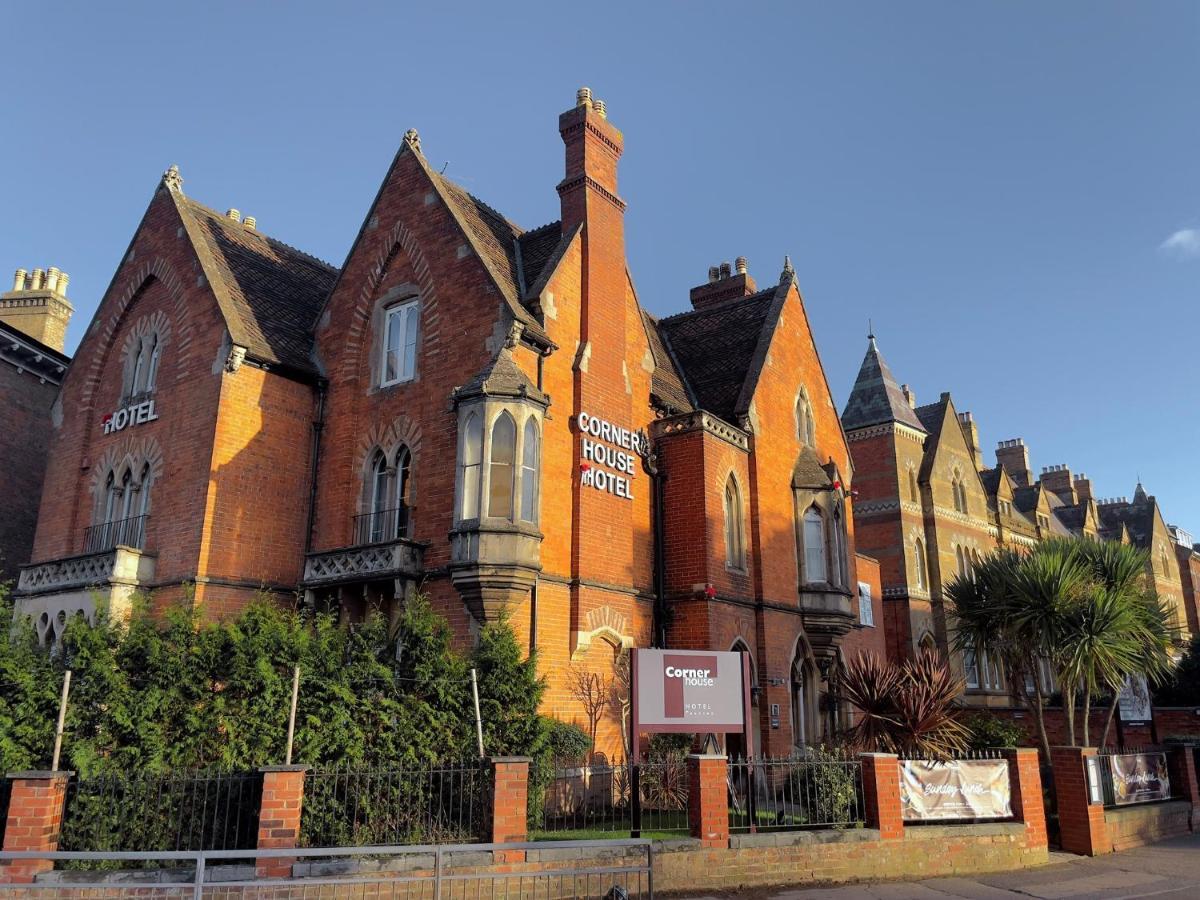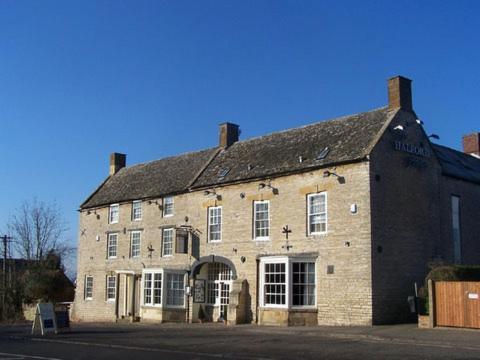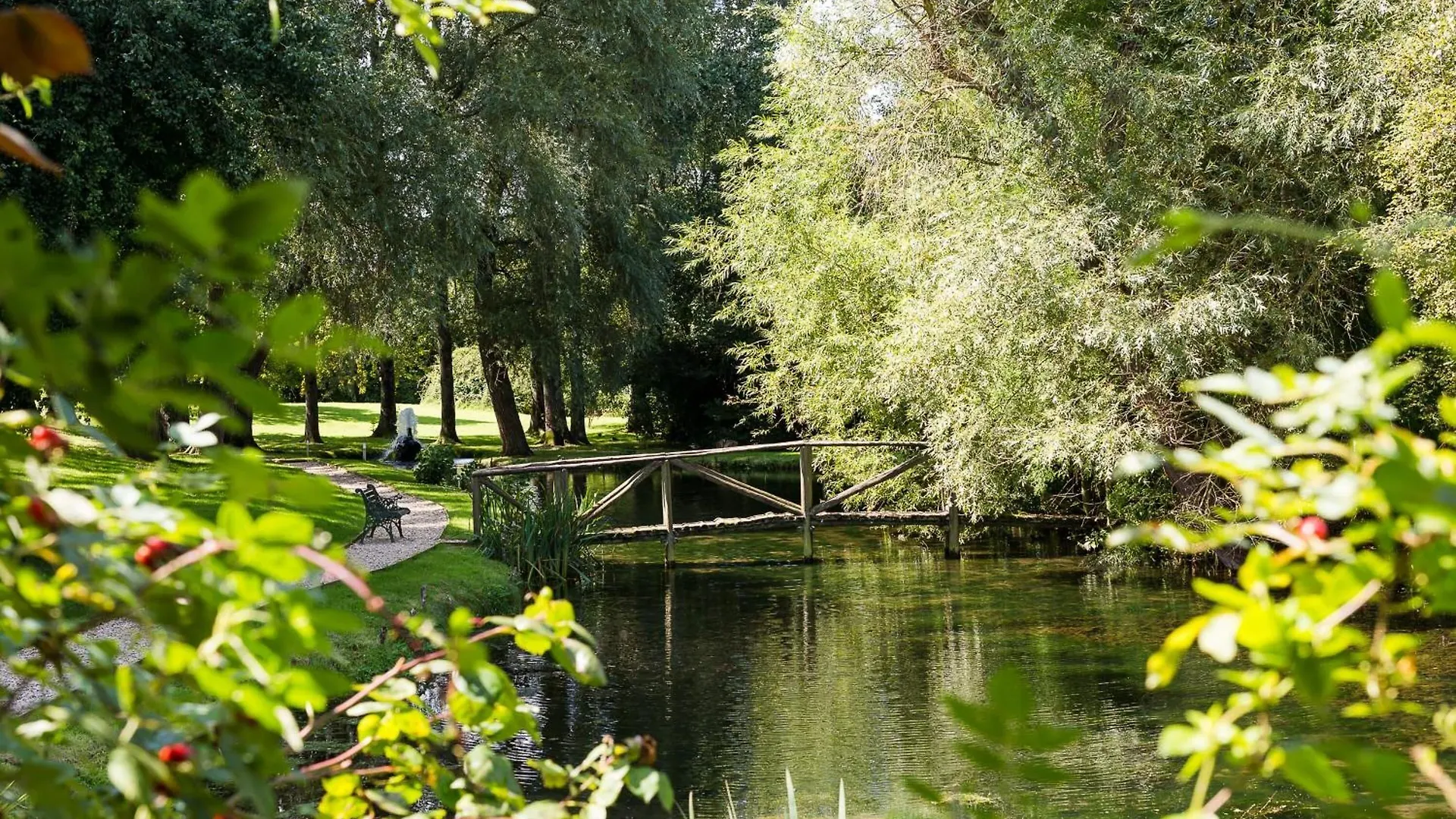
Somerset offers one of England's most varied luxury hotel landscapes, from converted 19th-century watermills deep in the Blackdown Hills to historic 14th-century inns near Bath. Whether you're drawn by Exmoor's moorland, the Georgian architecture of Bath, or the Somerset Levels, this guide cuts through the noise to help you choose the right property for your trip.
What It's Like Staying in Somerset
Somerset is a county of distinct micro-regions - Bath's UNESCO-listed Georgian streets in the north, the wild uplands of Exmoor National Park in the west, the ancient market towns of the south, and the flat wetlands of the Levels in between. Getting around Somerset without a car is genuinely difficult outside of Bath, which is served by regular trains from Bristol and London Paddington. Rural villages like Withypool or Norton St Philip have almost no public transport, so most luxury travellers arrive by car. Crowd patterns vary sharply by season: Bath draws visitors year-round, while Exmoor and the Blackdown Hills are quietest from November to March, making them strong off-season choices for those who want seclusion without peak pricing.
Somerset rewards travellers who want countryside immersion, heritage character, and locally sourced food - but it is not the right base for anyone expecting urban nightlife or major city conveniences. Around 60% of Somerset's top-rated stays are in rural or semi-rural settings, which means strong atmosphere but limited walkability beyond the property itself.
Pros:
- Exceptional landscape variety within a single county - coast, moor, hills, and Georgian city all within reach
- Rural luxury hotels consistently offer large grounds and genuine quiet, rare in southern England at this price point
- Strong farm-to-table food culture with local producers supplying most high-end hotel restaurants
Cons:
- A car is essential for any property outside Bath - rural roads can be narrow and slow, adding travel time
- Mobile signal and connectivity can be patchy in Exmoor and the Blackdown Hills
- Peak summer weekends see significant price increases across Somerset's most sought-after properties
Why Choose Luxury Hotels in Somerset
Luxury hotels in Somerset typically occupy historic buildings - watermills, coaching inns, and Georgian townhouses - giving them a physical character that purpose-built hotel chains simply cannot replicate. Unlike the Cotswolds, where demand pushes prices consistently high, Somerset's luxury market offers better value for space and individuality, with well-reviewed four-star country properties often pricing below equivalent Cotswolds stays. Room sizes tend to be generous in rural conversions, though some rooms in historic inn buildings can feel compact due to original structural constraints.
The trade-off is accessibility: the most atmospheric luxury stays in Somerset are not walkable to major attractions, requiring you to drive or arrange transport. Properties near Bath are the exception, offering both heritage luxury and walkable access to the Roman Baths, Royal Crescent, and Pulteney Bridge. For travellers prioritising food quality, Somerset's luxury hotels lead on local sourcing - a meaningful differentiator from generic hotel dining.
Pros:
- Historic building conversions provide architectural character and original features not found in contemporary hotel builds
- Stronger value-for-money ratio compared to equivalent Cotswolds or Chilterns luxury stays
- Restaurant quality is consistently high, with most top properties sourcing from named local farms and suppliers
Cons:
- Some rooms in converted historic buildings have low ceilings, uneven floors, or limited natural light
- Rural luxury properties rarely offer the spa or leisure facilities of purpose-built resort hotels
- Last-minute availability at the best properties is limited, especially around Bank Holidays and summer weekends
Practical Booking & Area Strategy
For travellers combining culture and comfort, the area around Bath and Norton St Philip is the strongest base - you get access to one of England's most visited heritage cities while staying in properties with genuine rural character. Withypool, deep inside Exmoor National Park, suits those prioritising complete seclusion and moorland walking over cultural access. The Blackdown Hills corridor near Chard positions you centrally for day trips across Somerset, Devon, and Dorset without heavy traffic. Bristol Airport sits around 22 km from Bath-area properties, making it the most practical international arrival point for the northern Somerset cluster. Key attractions within reach include the Roman Baths, Glastonbury Tor, Cheddar Gorge, Dunster Castle, and the Quantock Hills - Somerset's first designated Area of Outstanding Natural Beauty. Book rural properties at least 6 weeks ahead for summer weekends, and always confirm car parking arrangements before arrival, as some historic properties have limited or off-site spaces.
Best Value Luxury Stays
These properties deliver strong luxury credentials - historic character, quality dining, and genuine Somerset atmosphere - at positioning that represents solid value within the county's four-star market.
-
1. Hornsbury Mill
Show on map


Just a few rooms left at the best rate!
fromUS$ 168
-
2. The George Inn & Plaine
Show on map


Just a few rooms left at the best rate!
fromUS$ 135
-
3. The Congresbury Arms
Show on map


Hurry – almost gone at this price!
fromUS$ 181
Best Premium Luxury Stays
These properties offer the highest specification of atmosphere, location, or unique character within Somerset's luxury hotel market - suited to special occasions, longer stays, or travellers with specific destination priorities.
-
4. Bathen House Boutique Hotel
Show on map


Hurry – almost gone at this price!
fromUS$ 164
-
2. The Royal Oak Inn
Show on map


Rooms filling fast – secure the best rate!
fromUS$ 207
Smart Travel & Timing Advice for Somerset
Somerset's peak season runs from late May through August, when Bath, Cheddar Gorge, and Glastonbury Festival draw the heaviest visitor numbers. Prices at rural luxury properties can rise by around 35% during Bank Holiday weekends, and availability at character-rich inns and mill conversions closes out weeks in advance. September and October are the most strategically intelligent months to visit - the crowds thin noticeably after late August, autumn colours arrive in the Exmoor and Blackdown Hills areas, and hotel rates begin to soften. Winter stays (November to February) offer the lowest pricing and the most solitary experience at rural properties, though some restaurant hours may be reduced. For Bath-area hotels, year-round demand means less seasonal price variation, so last-minute deals are less common there. Book rural Somerset properties at least 8 weeks ahead for any Friday or Saturday night between June and August. For off-season weekday stays, a 2-night minimum is the standard at most country inn properties. Three nights is the sweet spot for exploring both the northern Bath corridor and the Exmoor or Blackdown Hills area without feeling rushed.