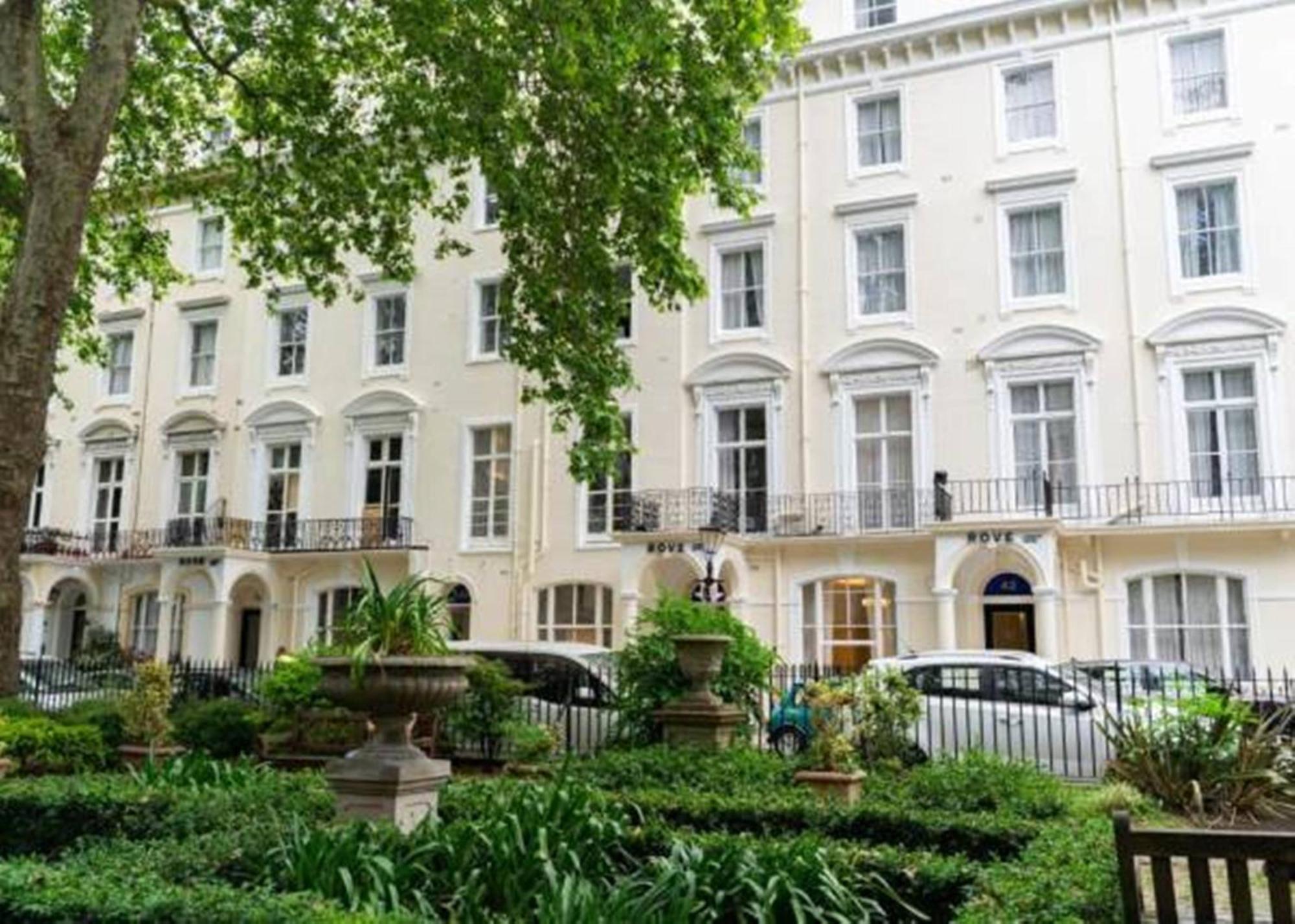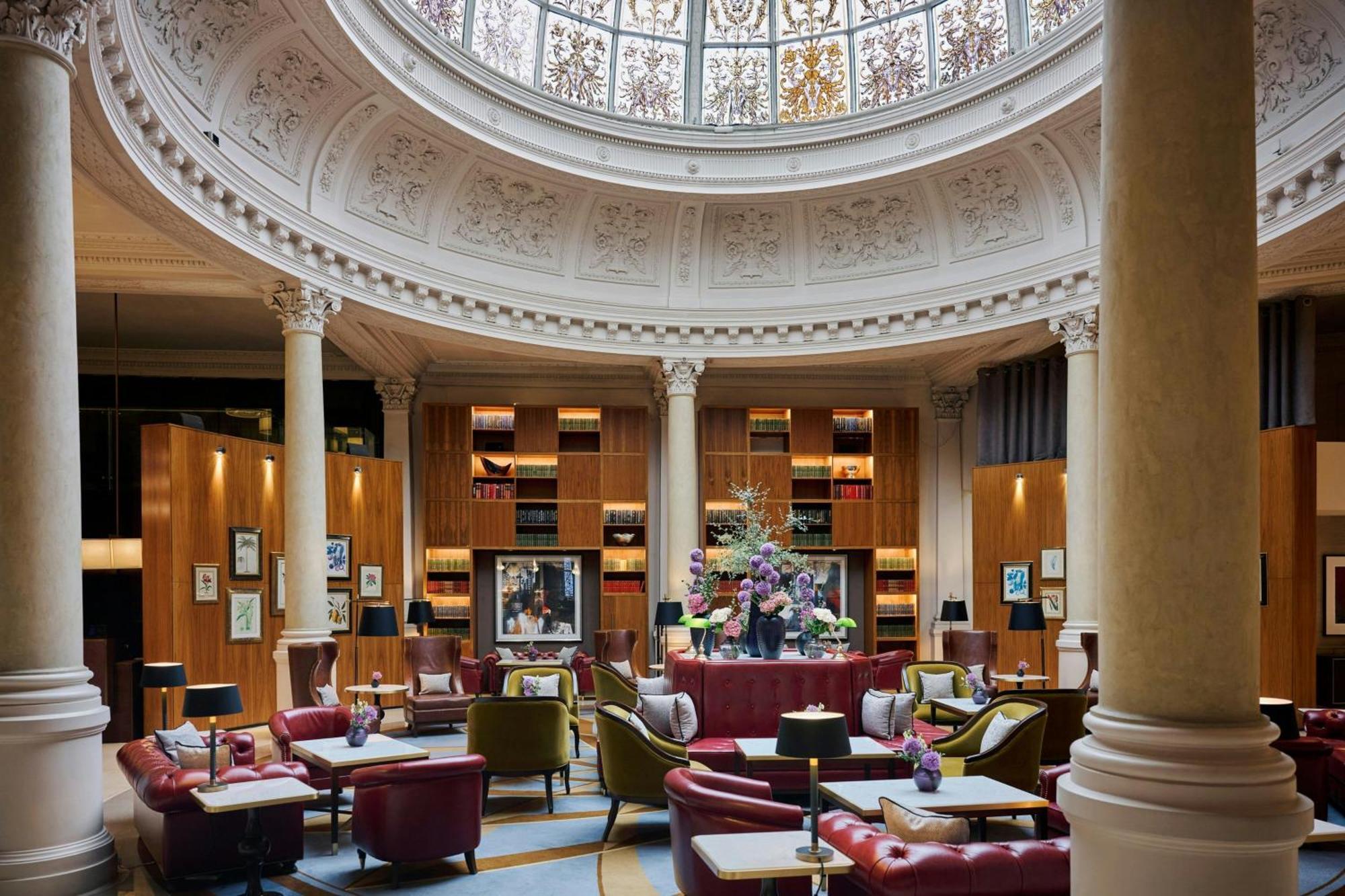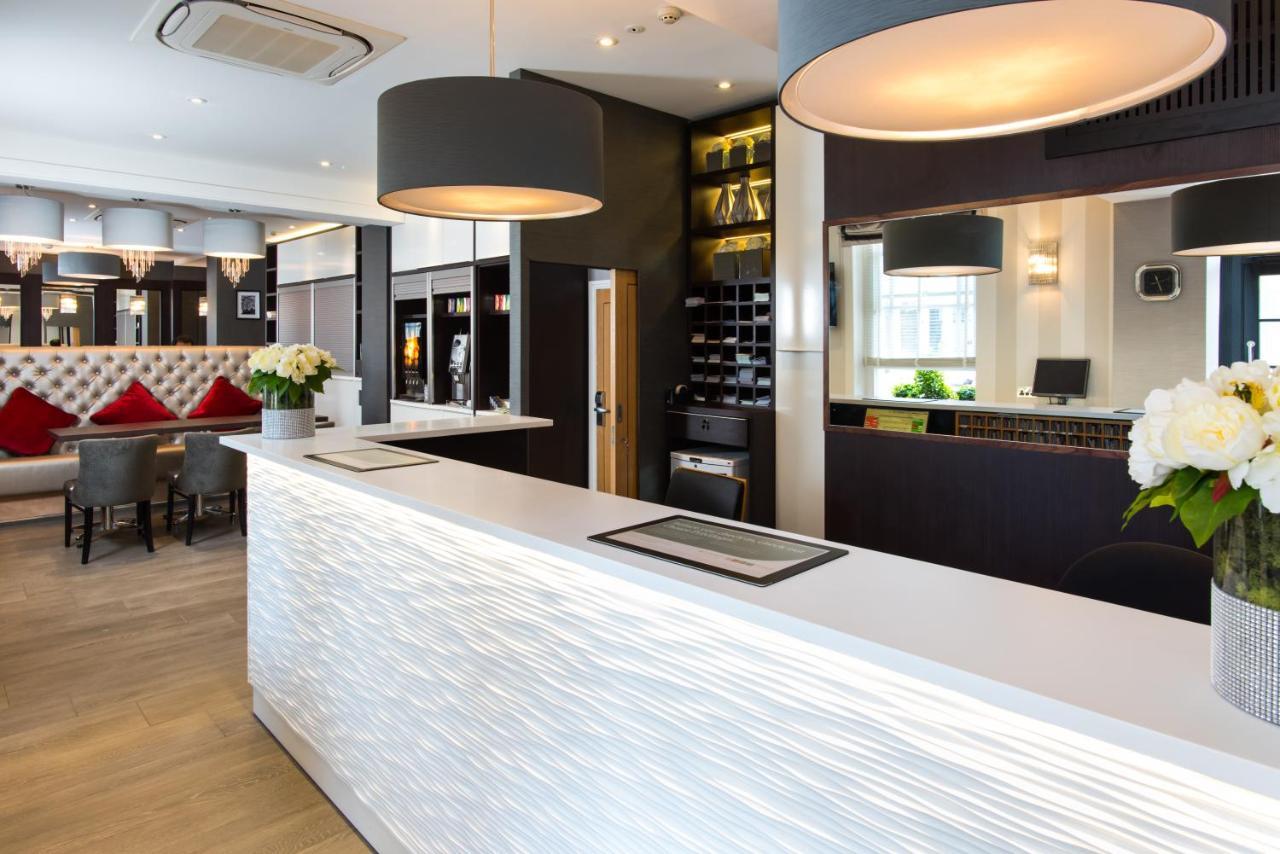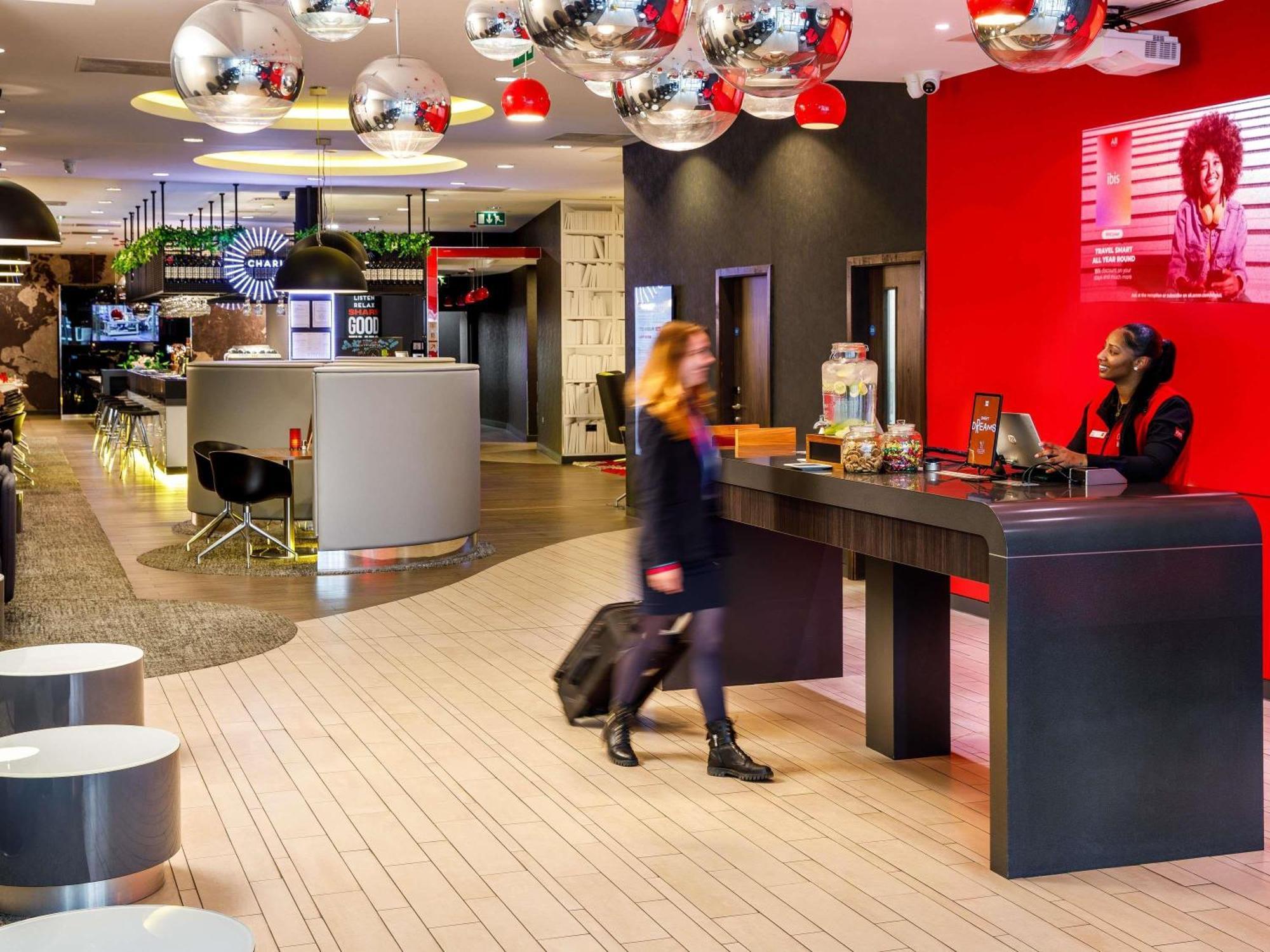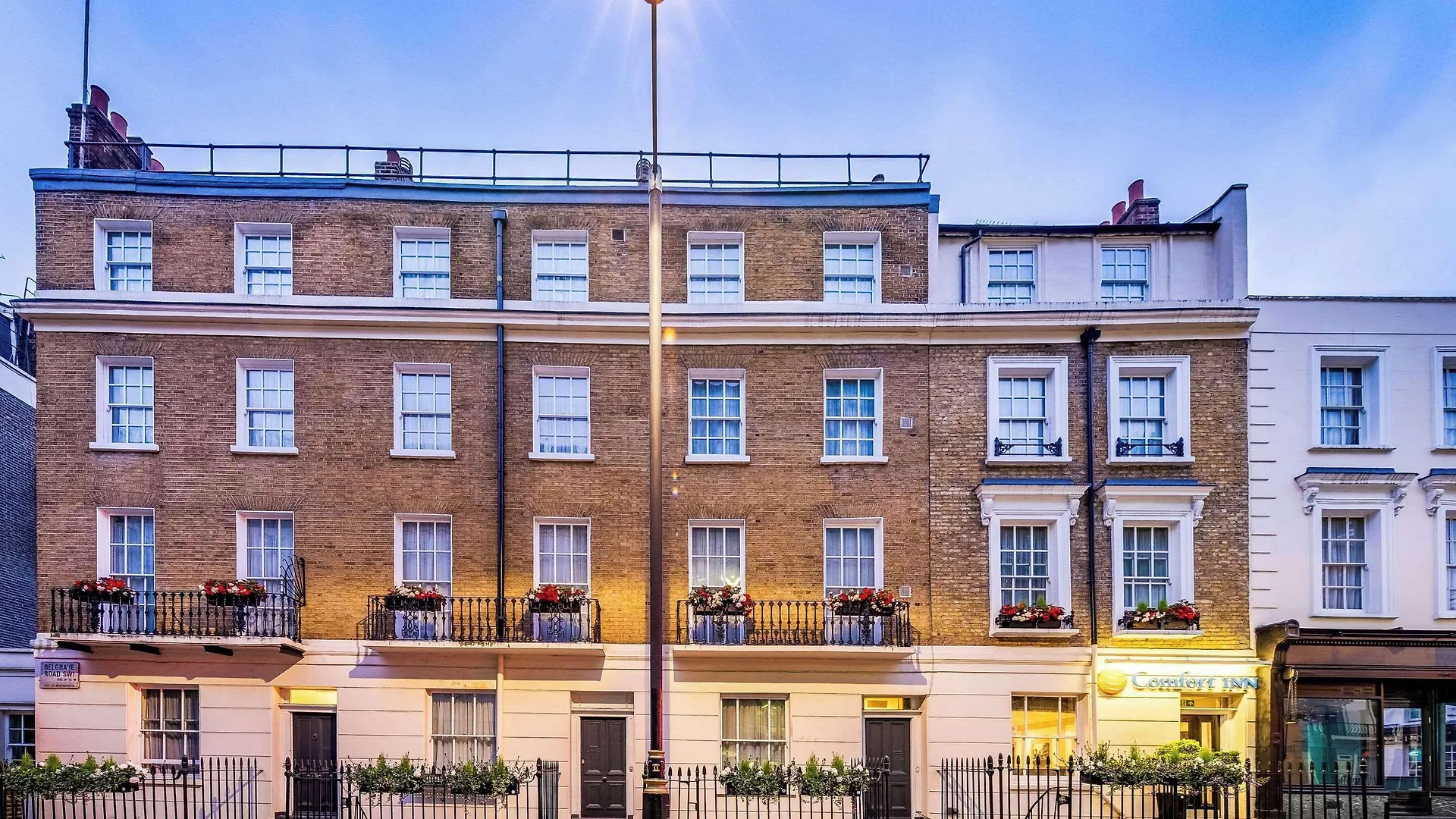
Central London holds an unusual concentration of hotels that occupy genuinely historic buildings - Victorian banking halls, Georgian townhouses, preserved Edwardian facades - rather than merely marketing themselves as heritage properties. This guide covers 15 options across the City, Westminster, Kensington, South Bank and Paddington, with a direct focus on what makes each one worth considering and what trade-offs come with each location.
What It's Like Staying in Central London
Staying inside Central London puts you within walking distance of the Underground, mainline stations, and most major landmarks without planning a commute - but the district is loud, densely trafficked, and rarely quiet before midnight. Street noise from delivery vehicles starts around 6am in most central postcodes, and hotel rooms facing main roads require proper soundproofing to be functional. The tube network means that any hotel within a 5-minute walk of a station gives you the entire city in under 20 minutes.
Central London suits travellers who want to move efficiently across the city and use evenings for dining or theatre rather than long journeys back from outer zones. Those looking for quieter surroundings or lower nightly rates will find better value in zones 2 or 3, but lose the immediate access to historic sites, business districts and cultural venues that are concentrated here.
Pros:
- Walking access to major landmarks - Tower Bridge, St Paul's Cathedral, Westminster - without relying on transport
- Dense tube and rail connectivity means no area of London takes more than around 30 minutes to reach
- Historic hotels here occupy original buildings with genuine architectural provenance, not replicated heritage aesthetics
Cons:
- Nightly rates in Central London run significantly higher than equivalent-quality hotels in zones 2-3
- Street noise, foot traffic and tourist crowds are constant in most central postcodes
- Parking is expensive and impractical - only a handful of properties offer it, and it adds meaningful daily cost
Why Choose a Historical Hotel in Central London
Historical hotels in Central London typically occupy buildings with documented architectural or civic significance - Victorian banking halls, Georgian terraces, Edwardian townhouses - which means the physical structure itself is part of what you're paying for. Room sizes in converted historic buildings vary more than in purpose-built hotels, with some rooms constrained by original floor plans and others benefiting from grand original dimensions. Nightly rates at true heritage properties in the City or Westminster run higher than standard chain hotels by around 40%, but the positioning near financial districts, cultural institutions and major rail terminals partially justifies that premium for business and cultural travellers alike.
The trade-off is practical: older buildings often lack the ceiling heights, lift capacity or soundproofing of modern constructions, and amenity additions like gyms or spas are either retrofitted into limited spaces or absent entirely. In Central London specifically, the density of historic hotel stock means you can compare a converted Victorian banking hall in the City with a Georgian townhouse in Westminster without leaving the zone - a level of choice that doesn't exist in any other part of the UK.
Pros:
- Original architectural features - stained glass, Victorian ironwork, Georgian facades - that purpose-built hotels cannot replicate
- Positioning inside or adjacent to historic districts means landmarks are within walking distance, not a tube ride away
- Heritage properties in the City often double as business hotels, giving access to high-end dining, meeting space and concierge services
Cons:
- Room dimensions are dictated by original building layouts - smaller or irregularly shaped rooms are common
- Lifts, accessibility features and modern soundproofing are retrofitted and often limited
- Premium pricing reflects the building's heritage status as much as the room quality itself
Practical Booking & Area Strategy for Central London
The strongest micro-locations for historical hotels in Central London cluster around three corridors: the City of London along Threadneedle Street and Cornhill (banking district, walking distance to Bank, Liverpool Street and Monument stations), the South Bank along Tooley Street and the London Bridge approaches (access to Southwark's cultural strip), and the Paddington-Bayswater axis along Cleveland Square and Sussex Gardens (direct Heathrow Express link, 4 underground lines). Hotels on or just off these corridors offer the best balance of historic character and transport practicality.
Westminster and Victoria sit between these two clusters and suit travellers who want easy National Rail access alongside proximity to Parliament, Buckingham Palace and the museums of South Kensington - all within a 15-minute walk or 2-stop tube journey. Book at least 8 weeks ahead for travel during Wimbledon, school half-terms or major state events, when central London occupancy peaks and heritage properties - with their limited room counts - sell out fastest. South Bank and City hotels typically offer lower weekend rates than Mayfair or Marylebone equivalents because they skew toward business travellers, making them strong weekend value options in the historical hotel category.
Best Value Historical Stays
These properties combine genuine heritage character with competitive pricing for Central London, offering historic building contexts without the luxury surcharge of five-star positioning.
-
1. Comfort Inn Victoria
Show on map


 Check-infrom 14:00 until 23:59Check-outuntil 11:00
Best price guarantee
from£ 143
-
2. Caring Hotel
Show on map


 Check-infrom 15:00 until 23:59Check-outuntil 11:00
Just a few rooms left at the best rate!
from£ 70
-
3. Gresham Hotel
Show on map


 Check-infrom 14:00 until 23:30Check-outuntil 11:00
Best price guarantee
from£ 47
-
4. Tudor Court Hotel
Show on map


 Check-infrom 15:00 until 23:59Check-outuntil 10:00
Best price guarantee
from£ 80
-
5. The Villa Kensington
Show on map


 Check-infrom 15:00 until 23:59Check-outuntil 12:00
Rooms filling fast – secure the best rate!
from£ 81
Best Mid-Range Historical Picks
These properties combine recognisable historic building contexts with a broader amenity range - self-catering kitchens, fitness facilities, or notable cultural proximity - at mid-range Central London pricing.
-
6. Citadines Barbican London
Show on map


 Check-infrom 15:00 until 23:59Check-outuntil 11:00
Best price guarantee
from£ 116
-
2. Citadines South Kensington London
Show on map


 Check-infrom 15:00 until 23:59Check-outuntil 11:00
Rooms filling fast – secure the best rate!
from£ 167
-
3. The Cleveland
Show on map


 Check-infrom 14:00 until 23:59Check-outuntil 11:00
Hurry – almost gone at this price!
from£ 65
-
4. Club Quarters Hotel St Paul'S, London
Show on map


 Check-infrom 15:00 until 23:59Check-outuntil 12:00
Hurry – almost gone at this price!
from£ 90
-
10. Residence Inn By Marriott London Tower Bridge
Show on map


 Check-infrom 15:00 until 23:59Check-outuntil 12:00
Just a few rooms left at the best rate!
from£ 83
Best Premium Historical Stays
These properties sit at the upper tier of Central London's historical hotel market - five-star positioning, landmark building status, or exceptional dining and wellness infrastructure inside genuinely significant historic structures.
-
1. Threadneedles, Autograph Collection
Show on map


 Check-infrom 15:00 until 23:59Check-outuntil 11:00
Just a few rooms left at the best rate!
from£ 233
-
2. Radisson Blu Hotel, London South Kensington
Show on map


 Check-infrom 15:00 until 23:59Check-outuntil 12:00
Best price guarantee
from£ 108
-
3. Hilton London Tower Bridge
Show on map


 Check-infrom 15:00 until 23:59Check-outuntil 12:00
Best price guarantee
from£ 131
-
4. Leonardo Royal London St Paul'S
Show on map


 Check-infrom 15:00 until 23:59Check-outuntil 11:00
Rooms filling fast – secure the best rate!
from£ 185
-
5. Andaz London Liverpool Street, By Hyatt
Show on map


 Check-infrom 15:00 until 23:59Check-outuntil 12:00
Hurry – almost gone at this price!
from£ 157
Smart Booking Timing for Historical Hotels in Central London
Central London hotel pricing follows a predictable annual rhythm that directly affects availability at heritage properties, which typically carry lower room counts than large modern hotels. January and February offer the lowest nightly rates across the City, South Bank and Kensington - often around 30% below summer peak - and historic hotels that would otherwise require weeks of lead time can be booked with less than a week's notice. Spring (March to May) and autumn (September to October) represent the most balanced windows: crowds are manageable, prices are mid-range, and London's cultural calendar - theatre, exhibitions, premieres - is at full capacity.
Summer from June to August is peak season across all Central London postcodes, with school holiday periods in July and August pushing occupancy to near-100% at well-reviewed heritage properties. Major events - the Chelsea Flower Show in May, Wimbledon in late June and early July, and the London Marathon in April - cause sharp local price spikes and should trigger bookings at least 8 weeks in advance. Weekend rates at City of London historical hotels (Threadneedles, Leonardo St Paul's, Club Quarters St Paul's) often drop relative to weekday rates because the business traveller base disappears - Friday to Sunday stays in the EC2 and EC4 postcodes frequently represent the best value in the five-star historical category. For Paddington-area properties like Tudor Court and The Cleveland, the Heathrow Express connection means they fill fast during bank holidays and long weekends when inbound leisure travel peaks.